Early Pricing is reader-supported: some links on this page are affiliate links, and as an Amazon Associate Early Pricing earns from qualifying purchases at no extra cost to you. Learn more.
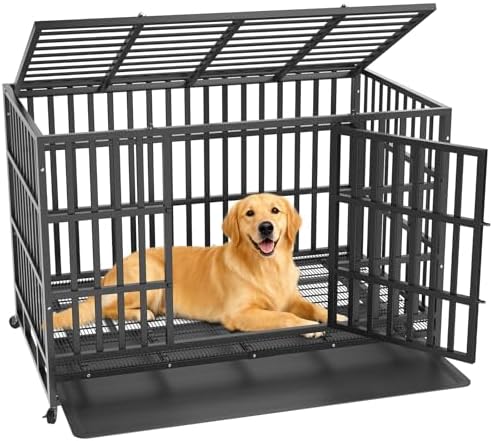
A dog kennel provides a secure, contained space for a dog to rest, sleep, or stay separated from other animals. You need a dedicated space for a dog when you require a permanent indoor home, a secure outdoor containment area, or a transport solution that meets IATA compliance for aviation. You should first measure the dog’s height and length to ensure the interior dimensions allow for a natural standing position without the animal’s head hitting the roof.
How do heavy-duty playpens compare to a dog kennel?
Heavy-duty playpens offer a large, open floor area that functions as a flexible containment zone rather than a fixed structure. These systems typically use metal bars or wire panels to create a perimeter that can be configured into different shapes or sizes. Because they are modular, they cost less than a custom-built steel kennel when you need to cover a large area like a patio or a living room. They beat a dog kennel when the primary goal is supervised exercise or social interaction where a dog needs more than 4 feet of width to move freely. This option stops making sense when the dog requires a high-walled, permanent structure for overnight security or when the dog’s bite force exceeds the weight limits of the playpen’s connecting joints.
Before making a purchase, it helps to understand the different types of dog kennels available today.
When a playpen fails as a kennel substitute
A dog with high bite force can compromise thin wire or plastic panels, leading to a structural breach where the animal escapes the perimeter. Buyers often choose a playpen that is too small for the dog’s activity level, which leads to muscle cramping or restricted movement. If you need a solution that provides a physical roof or a solid floor for a heavy breed, a playpen lacks the structural integrity of a ground-anchored kennel.
New owners can find clarity by viewing our guide on common dog kennel terms and specs explained simply.
Where these choices show up in our reviews
3 options shown here, $129.99 to $134.99, each with its own full review behind its name.
Proper spacing is vital, so learn how to choose the interior width for your specific pet.


What are the benefits of outdoor runs over a dog kennel?
Outdoor runs provide a permanent, weather-proof enclosure that allows a dog to remain outside while remaining contained. These structures are built with heavy-gauge steel and reinforced welding to withstand high-intensity environments and extreme weather. Outdoor runs cost more than a standard kennel because they require specialized materials like heavy-gauge fencing and often a concrete or gravel base. They beat a dog kennel for large-breed containment where the dog needs a run length of 6 feet or more to walk comfortably. This choice stops making sense if the dog requires an indoor sleeping area or if the available outdoor space is too small to allow the dog to turn around without hitting the walls.
Selecting the right durability depends on knowing how to choose the best material type for your kennel.
Sizing requirements for outdoor runs
An outdoor run provides a permanent solution for a dog that needs to be outside for long periods during the day. If you have a large-breed dog, the run must provide enough interior length for the dog to walk the full length of the enclosure without feeling cramped. A run that is too small prevents the dog from feeling secure and can lead to behavioral issues caused by restricted movement.
Are secondhand crates a viable alternative to a new dog kennel?
Secondhand crates provide a way to acquire a functional kennel at a lower price point by purchasing from previous owners. These units are often standard sizes, but they may show signs of wear or have different interior dimensions than what is listed on the exterior. Secondhand crates cost significantly less than new units, often at 50% or more of the original price. They beat a new kennel when you only need a crate for short-term use or for a dog that has already been house-trained in a specific model. This option stops making sense if the crate has structural damage, such as a compromised door hinge or a cracked floor, as these issues can lead to a structural breach.
For a stylish home solution, view our full review of the Boldbone Dog Crate to see how it fits your decor.
Identifying damage in used crates
A used crate may have been used by a dog with a high bite force, which can leave marks or structural weaknesses in the material. You must check that the interior height allows for a standing position and that the door latches still engage fully. If the crate is from a different brand, the door swing clearance might differ, making it harder to place in your intended location.
If you need a large outdoor enclosure, see our Lucky Dog Chain Link Kennel review for a detailed spec breakdown.
Can you borrow a crate instead of buying one?
Borrowing a crate involves using a kennel owned by a friend, family member, or a local pet service for a limited time. This option has no direct cost other than the time spent coordinating the loan and transporting the unit. Borrowing beats buying when you only need a kennel for a single night or a short stay at a relative’s house. This stops making sense the moment you need a consistent, daily location for the dog, as different crates can cause a dog to feel insecure or confused by the changing dimensions.
For a premium large enclosure, check our full review of the Extra Large Norfolk to see if it meets your needs.
The limits of borrowing a kennel
Borrowing a crate is only practical if the borrowed unit matches the size requirements of your dog. If the borrowed crate is too small, it causes muscle cramping; if it is too large, it prevents the dog from feeling secure. You should only borrow a crate if you can verify the interior length and width are sufficient for your specific dog’s size.
Owners of big breeds can view our full review of the Cage for Large Dogs to see the dimensions and build quality.
Comparison of dog kennel alternatives
| Alternative | Who it suits | Main advantage | Where it breaks down |
|---|---|---|---|
| Heavy-duty playpens | Owners needing large floor space | Modular and flexible layout | Lacks a roof or high-security walls |
| Outdoor runs | Large-breed outdoor containment | Weatherproof and heavy-duty | Requires significant outdoor space |
| Secondhand crates | Budget-conscious short-term users | Lower cost for standard models | Potential for structural damage |
| Borrowing a crate | Short-term guests or travelers | No cost for temporary use | Inconsistent dimensions and feel |
When is buying a new dog kennel the right answer?
Buying a new dog kennel is the correct choice when you need a permanent, reliable solution for a dog that requires a consistent sleeping environment. If you own a large breed with high bite force, a new kennel ensures the structural integrity of the materials meets the required standards. A new purchase is necessary when you need a specific interior height and width to accommodate your dog‘s size perfectly. It is also the right choice when you require a unit that meets IATA compliance for frequent travel, as new units can be verified for safety before they are used.