Early Pricing is reader-supported: some links on this page are affiliate links, and as an Amazon Associate Early Pricing earns from qualifying purchases at no extra cost to you. Learn more.
A dog kennel is a physical enclosure that provides a designated space for a dog to rest, sleep, or stay contained. You need a kennel when you require a secure area for a pet that is separate from the main living space or for transport. You should measure your dog’s length and height to determine the minimum interior dimensions required for the animal to stand up and turn around comfortably.
How a dog kennel provides a safe and comfortable environment
The primary problem a kennel solves is the need for a controlled environment that balances safety with comfort. Without a dedicated enclosure, dogs may experience anxiety in unfamiliar settings or lack a consistent “den” to retreat to during high-activity periods. A well-sized kennel prevents the dog from feeling trapped while ensuring it remains within a designated boundary, which is essential for both house training and preventing escape during travel or outdoor storage.
If you prefer a rustic look, see our guide to the best wooden dog kennels.
How a Dog Kennel Functions Mechanically
A dog kennel functions by creating a physical barrier that defines a usable interior volume. The process of containment and use follows a specific sequence of mechanical interactions:
- The structure establishes a perimeter using rigid materials like wire, plastic, or wood to define the boundaries of the space.
- The Door Latch Mechanism, which ensures the kennel remains securely closed and prevents accidental escapes, allows a human to grant or deny entry.
- Airflow enters through the structure’s openings, where Ventilation Grates facilitate consistent airflow and prevent heat buildup inside the crate.
- The dog occupies the interior space, where the floor provides a stable surface for the animal to lie down or stand.
- The Base Tray provides a removable surface for easy cleaning and waste management, allowing the user to remove debris without moving the entire structure.
Dog Kennels we have reviewed in detail
Prices across these 3 run from $129.86 to $249.99; each one has a full review here.
Budget-conscious owners can find affordable kennels for small dogs under $150.

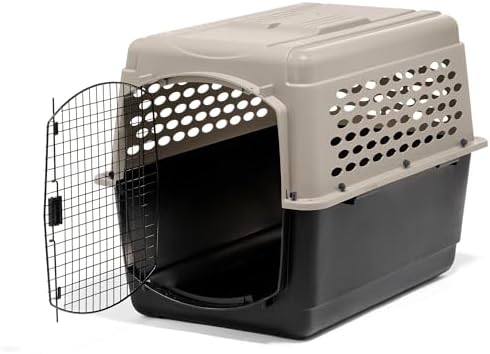
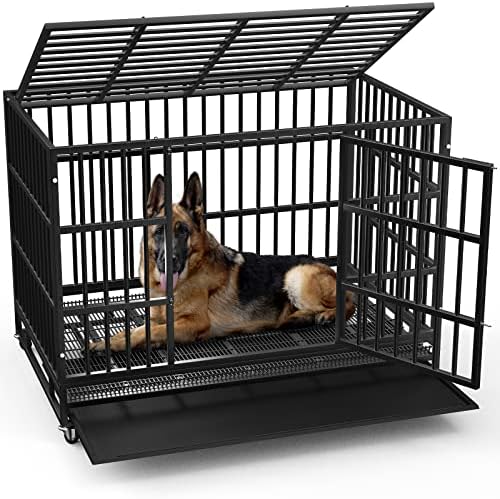
Parts and Materials That Impact Performance
The materials and components of a dog kennel determine how much visibility the dog has and how durable the enclosure is against different types of wear. Choosing the right material often involves a trade-off between how much the dog can see and how well the structure resists chewing or environmental damage.
Nervous pets may benefit from the best dog kennels for high anxiety dogs.
Comparing wire, plastic, and wood kennel material benefits
The choice of material follows the standard of Wire vs. Plastic vs. Wood, which determines the trade-off between visibility, chew-resistance, and aesthetic integration. Wire provides maximum visibility and airflow but can be prone to bending if not heavy-gauge. Plastic offers a solid barrier that is easy to wipe down but limits the dog’s view of its surroundings. Wood provides a natural aesthetic and high chew-resistance but requires more maintenance to keep clean and can block airflow if not designed with specific gaps.
Why IATA compliant kennels are required for air travel
Safety standards like IATA Compliance ensure the kennel meets international aviation regulations for cargo and cabin transport. This standard focuses on the structural integrity of the latch and the dimensions of the opening to ensure the animal cannot squeeze through. If you plan to fly with a pet, verifying that a kennel meets these specific regulations is a requirement for most commercial carriers.
To ensure a proper fit, see how to choose your interior width.
How interior length, width, and height dictate kennel size
The interior layout is defined by three specific measurements. Interior Length measures the longest straight distance inside the floor space. Interior Width measures the shortest straight distance across the floor space. Interior Height measures the vertical distance from floor to ceiling. These three numbers dictate the “living room” of the kennel; if a dog cannot stand up fully, the height is insufficient. If the dog cannot turn around, the width or length is too short.
How a Dog Kennel Changes Daily Use
Having a dog kennel changes the way you manage a pet’s behavior and your own home environment. In a house training scenario, the kennel acts as a “safe zone” where a dog learns to remain calm. It provides a predictable space where the dog knows it is expected to stay, which reduces anxiety during loud events or when the owner is away.
Determine your needs by checking the weight capacity for dog kennels.
Using a dog kennel as a weather resistant outdoor shelter
In an outdoor setting, the kennel provides a weather-resistant shelter. It protects the dog from rain and wind while providing a shaded area to prevent overheating. However, the difference in use depends on the environment. In a backyard, the kennel might serve as a permanent home; in a garage, it might only be used for crate training. The physical presence of the kennel creates a boundary that helps a dog understand where its personal space begins and ends.
Learn more about your options by seeing the different types of dog kennels.
Why proper kennel sizing prevents dog distress and cramping
The kennel does not change the dog’s behavior if the space is improperly sized. If a dog is forced into a space that is too small, it may experience muscle cramping or distress. Conversely, a kennel that is too large can make a dog feel insecure because they cannot reach the corners. The goal is a space where the dog feels tucked away but not confined.
Frequently Asked Questions About Dog Kennels
How does the price of this compare to a standard metal wire crate?
The price of a dog kennel varies based on the material and the complexity of the door latch. A standard metal wire crate is often the most affordable option because it uses basic wire and a simple hinge. Kennels made of wood or heavy-duty plastic typically cost more due to the manufacturing of the panels and the weight of the materials.
For a stylish home option, see our full Boldbone Dog Crate review.
How does the ventilation on three sides compare to a full-mesh crate?
Ventilation on three sides provides a balance between airflow and structural privacy. A full-mesh crate offers 360-degree airflow and maximum visibility from all angles. If you are concerned about heat buildup, a full-mesh option provides more air volume, but a three-sided design may offer a sense of security for a dog that feels exposed by too much visibility.
Is this a better deal than a solid panel kennel for the same price?
A solid panel kennel offers more privacy and a more “furniture-like” look but limits the dog’s ability to see out. For the same price, a wire or mesh kennel usually provides better airflow and visibility. You must decide if the priority is the dog’s ability to see its surroundings or the aesthetic of the kennel in your home.
You can find a detailed breakdown in our full Vari Pets Kennel review.
How does the noise level compare to metal wire crates?
The noise level depends heavily on the material used for the walls. Metal wire crates can rattle or vibrate if the dog moves against them. Plastic and wood panels are much quieter and absorb more sound, making them better for indoor use where you want to minimize noise from the dog moving inside the enclosure.
Large breeds have specific needs that you can see in our Cage for Large Dogs review.
How easy is it to actually clean the inside if my dog has an accident?
Ease of cleaning is determined by the presence of a Base Tray and the material of the floor. A removable tray allows you to lift out waste and wash it separately. Plastic and smooth-coated metal are easier to sanitize than wood or textured surfaces, which can absorb odors and liquids if they are not properly sealed.
Who Needs a Dog Kennel and Who Does Not
A dog kennel is necessary for owners who need to house-train a puppy or provide a secure space for a dog during travel. It is also a requirement for households that need to contain a dog in a backyard or garage while maintaining a safe environment. If you need to transport a pet via air, a kennel meeting specific transport standards is a requirement.
For a massive outdoor space, see our full PawHut Dog Kennel review.
A dog kennel is not necessary for owners of very small dogs that can be safely contained in a small carrier or for those who do not need to separate their dog from the main living area. If your dog does not require a designated “den” for rest and you do not have a need for a portable transport solution, a full-sized kennel may not be a requirement for your situation.
The other dog kennel guides we have published
- The Dog Kennels That Work Best for Airline Travel
- Which Wooden Dog Kennels Are Best for Your Pet?
- Best Dog Kennels for Small Dogs Under $150
- Securing a Pet in the Backyard With a Heavy Duty Outdoor Dog Kennel
- The Dog Kennels That Work Best for Travel
- Which Dog Crate Furniture Is Best for a Living Room?