Early Pricing is reader-supported: some links on this page are affiliate links, and as an Amazon Associate Early Pricing earns from qualifying purchases at no extra cost to you. Learn more.
Interior length for dog kennels is the measurement of the longest straight distance inside the floor space of the unit. You decide the required value based on the physical size of the dog and the specific movement requirements of the animal’s daily routine.
If you are planning a flight, see our guide to the best dog crates for airline travel.
Which Interior Length Suits Your Dog?
| If this is you | The Interior Length that suits you | Why |
|---|---|---|
| You own a small breed or a toy dog that spends most of its time resting. | 21 in to 30 in | Small dogs require minimal floor space to turn around and lie down comfortably. |
| You have a medium-sized dog that needs to stand up and sit down frequently. | 30 in to 42 in | This range allows a medium dog to shift positions without feeling cramped. |
| You own a standard-sized dog that requires space to stretch out fully. | 42 in to 60 in | A 42 in median provides a balanced floor area for standard breeds to lie flat. |
| You have a large or extra-large breed that requires significant legroom. | 60 in to 96 in | Large dogs need extended floor space to prevent muscle cramping during long stays. |
Dog Kennels we have reviewed in detail
From $129.99 to $154.99: 3 of the 15 in this category we have reviewed in full.
Budget-conscious owners can find affordable kennels for small dogs under $150.
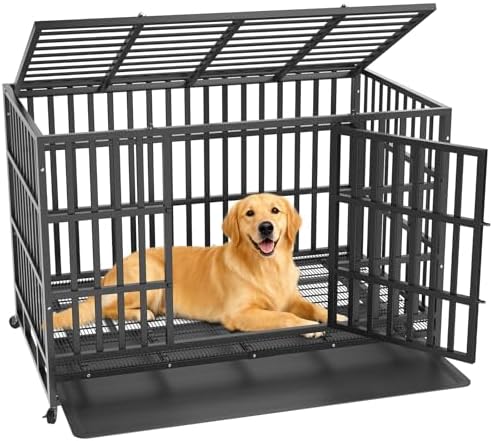


How do I measure the correct interior length before ordering?
To establish your own value, you must measure the floor space your dog currently occupies when lying down in its most relaxed position. Use a tape measure to find the distance from the front of the kennel’s interior to the back. This measurement must be a straight line along the floor. Do not include the thickness of the walls or the space taken up by the door hinge. Most manufacturers state this measurement in inches (in) in the technical specifications section of the listing. You should look for the term “Interior Length” or “Inner Length” specifically. Many listings omit this detail, so confirming the measurement before purchase ensures the space matches your requirements.
Nervous pets may require you to find the best dog kennels for high anxiety dogs.
Why a 42 inch interior length provides clearance for movement
Does your dog need more room than its body length? A dog requires additional space beyond its actual body length to turn around and change positions. For a dog that is 30 in long, a 42 in interior length provides enough clearance for movement. The 111 dog kennel listings we evaluated show a median interior length of 42 in. This confirms that 42 in is a common standard for mid-sized requirements.
Beginners can learn more by reading the dog kennel explained overview.
What happens if the interior length is too small or too large?
A value that is too small leads to structural and physical discomfort for the animal. If the interior length is insufficient, a dog may experience muscle cramping because it cannot stretch out. This often results in the dog pacing or showing signs of agitation. It can also lead to a structural breach if the dog attempts to force its way out of a cramped space. You can see the consequences of poor sizing in the way a dog’s posture changes when it cannot lie flat.
For a stylish home setup, view our full Boldbone Dog Crate review.
How oversized kennel floor space can cause dog anxiety
Choosing an interior length that is too large presents a different set of issues. A kennel that is significantly larger than the dog’s needs can prevent the animal from feeling secure. Dogs often seek out smaller, enclosed spaces to feel safe. If the floor space is excessive, the dog may wander to the corners or feel exposed. This mismatch can lead to anxiety or a refusal to enter the kennel. Proper sizing ensures the dog feels contained but not restricted.
You can see the specs in our full PawHut D02-011 Kennel review.
What should I do if my dog falls between two interior length values?
When a dog’s requirements fall between two standard values, you should select the larger interior length. It is safer to provide slightly more floor space than to risk the animal being unable to turn around. If a dog is 36 in long, choosing a 42 in interior length provides a buffer for movement. This extra space ensures the dog can shift its weight without hitting the walls. A larger interior length accommodates growth and allows for different bedding configurations.
We also provide a full review of the BOLDBONE Dog Crate for your consideration.
Measuring dog dimensions to ensure a functional resting space
The decision to go larger is based on the physical movement of the animal. A dog that cannot turn 180 degrees within the floor space is in a kennel that is too small. If you are unsure about the exact measurement, prioritize the ability of the dog to lie down fully. This ensures the kennel remains functional as a resting space rather than just a holding area. Since returns on large items can be difficult, confirming the interior length against your dog‘s actual dimensions is the most reliable way to ensure a correct fit.
Check out our full Hzuaneri Dog Crate review for a detailed breakdown.
The rest of our dog kennel guides
- Choosing the Best Outdoor Dog Kennels with Canopy
- The Dog Kennels That Work Best for Airline Travel
- Which Wooden Dog Kennels Are Best for Your Pet?
- Best Dog Kennels for Small Dogs Under $150
- Securing a Pet in the Backyard With a Heavy Duty Outdoor Dog Kennel
- The Dog Kennels That Work Best for Travel