Early Pricing is reader-supported: some links on this page are affiliate links, and as an Amazon Associate Early Pricing earns from qualifying purchases at no extra cost to you. Learn more.
Cat enclosures provide a dedicated space for cats to rest, play, and observe their surroundings. Buying a manufactured unit is one way to achieve this, but other methods provide similar results by utilizing existing furniture, outdoor structures, or open floor plans. You need to decide if your goal is a vertical climbing space, a secure outdoor area, or simply a designated zone, as the best route depends on the available square footage and your specific safety requirements.
How do indoor cat trees compare to cat enclosures?
Indoor cat trees compare to cat enclosures by providing verticality and specialized climbing surfaces within a single footprint. A cat tree typically consists of a weighted base, vertical pillars, and multiple platforms at varying heights. These units are often more compact than full enclosures, making them suitable for apartments where floor space is limited. You should choose a cat tree if your primary goal is to increase the vertical territory available to a cat without installing permanent structures.
Space-conscious owners can browse the best wall mounted cat playpen to maximize vertical square footage.
Cat trees offer high vantage points but less privacy than enclosures
The cost of a cat tree is generally lower than a full-scale enclosure because it requires less material and a smaller footprint. While a large enclosure might occupy several square meters of floor space, a cat tree can provide a high-reaching vantage point in a corner. However, cat trees do not offer the same level of privacy or “room” feel that a dedicated enclosure provides. If you have a cat that prefers to hide or sleep in a secluded spot rather than sit on an open perch, a cat tree may not meet that specific need.
A common mistake is choosing a cat tree with a base that is too narrow for the height of the structure. If the base does not have a wide enough footprint or sufficient weight, the tree can tip when a cat jumps to the highest level. Ensure the base dimensions are large enough to provide a stable center of gravity for the maximum height you intend to provide.
Before making a purchase, it is wise to review cat enclosure warranties to ensure your investment is covered.
Where these choices show up in our reviews
3 options shown here, $167.19 to $299.99, each with its own full review behind its name.
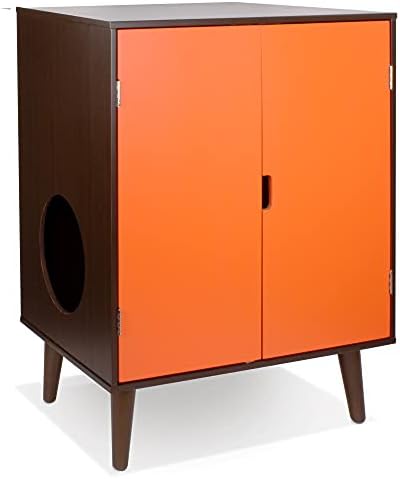
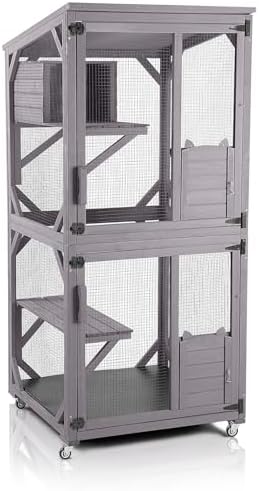

Is outdoor pet fencing a viable cat enclosure alternative?
Outdoor pet fencing is a viable cat enclosure alternative that creates a large, secure perimeter for cats to roam outside. This method involves installing a physical barrier, such as a chain-link fence or a wooden perimeter, often reinforced with hardware cloth or mesh. Unlike an enclosure which is a self-contained unit, fencing utilizes the existing yard or garden as the primary space. This is the preferred route for owners who want their cats to experience a wide range of scents and sights while remaining safe from predators.
Proper sizing is crucial, so learn how to choose the correct width for cat enclosures for your space.
Outdoor pet fencing provides maximum territory for a lower cost
The cost of outdoor pet fencing varies based on the linear footage of the perimeter and the type of material used. It is often more expensive than a single indoor unit but cheaper than building a fully enclosed outdoor “catio” structure. Fencing beats a standard enclosure when the goal is maximum territory, as it allows the cat to roam across a large area rather than being confined to a single structure. However, fencing stops making sense if the area is not fully secured against predators or if the cat is prone to escaping through small gaps in the mesh.
To understand your options, explore the different types of cat enclosures available on the market today.
Small mesh sizes prevent predator breaches in outdoor fencing
When installing fencing, the mesh size is a critical safety factor. To prevent a predator breach, the mesh should be small enough that a cat’s head cannot pass through, while also being dense enough to prevent a predator from reaching through to grab a cat. If the fencing does not meet these mesh density requirements, it fails to provide the security of a proper enclosure.
What are the benefits of used enclosures?
Used enclosures offer a way to acquire a large, high-quality structure at a lower price point than a new unit. These are often sourced from local marketplaces or community groups where owners are moving or no longer have pets. Because enclosures are often made of heavy-duty materials like treated wood or thick metal, they retain their structural integrity well over time. This route is ideal for those who need a large amount of space but have a strict budget for the initial purchase.
Beginners can start by learning how a cat enclosure works to ensure the design meets your needs.
Used enclosures offer high-tier materials at a lower price point
The cost of a used enclosure is significantly lower than a new one, often representing a fraction of the original retail price. This allows for the purchase of higher-tier materials, such as rot-resistant hardwoods, that might be out of reach for a new purchase. However, used enclosures require a thorough inspection for structural sagging and signs of UV degradation. If the wood is cracking or the mesh is torn, the cost of repairs may diminish the savings of the used purchase.
Checking fasteners and joints ensures structural integrity of used units
A buyer should check the fasteners on a used unit to ensure they are not stripped or rusted. Loose fasteners can lead to structural sagging, where the weight of the cat causes the platforms or roof to bow over time. If the enclosure is made of wood, look for signs of moisture damage in the joints, as these are the first points of failure in an outdoor setting.
Ensuring your pet has enough headroom is easy when you choose the best height for cat enclosures.
Can free-roaming replace a cat enclosure?
Free-roaming is a method where cats have access to the entire indoor living space without a dedicated enclosure. In this setup, the “enclosure” is the home itself, and the cat utilizes furniture, shelves, and floor space as its territory. This is the most common way to house cats in urban environments. It provides the cat with the most variety of surfaces and environments to interact with throughout the day.
You can see the specific design details in our full Aivituvin CAT CATIO review.
Free-roaming provides a budget-friendly alternative to physical cat enclosures
Free-roaming has no additional purchase cost beyond the existing home layout, making it the most budget-friendly option. It beats a physical enclosure when the owner wants the cat to be part of the household’s daily activity and doesn’t need a specific, secluded area. However, free-roaming stops making sense if the cat requires a high-security zone to stay away from other pets or children, or if the cat is a “hider” that needs a consistent, private space to feel safe.
Wall-mounted shelves create vertical space for free-roaming cats
To make free-roaming effective, owners often use “verticality” by installing wall-mounted shelves. This mimics the height of an enclosure without taking up floor space. If a cat is prone to getting under appliances or into dangerous areas, free-roaming may require additional measures like baby gates to create “safe zones” within the home.
Check out our full Aivituvin Catio review to see how this window unit performs.
Comparison of cat enclosure alternatives
| Alternative | Who it suits | Main advantage | Where it breaks down |
|---|---|---|---|
| Indoor cat trees | Apartment dwellers with limited floor space | Provides vertical height in a small footprint | Does not offer privacy or a “room” feel |
| Outdoor pet fencing | Owners with yards who want maximum territory | Allows for a large roaming area | Requires extensive perimeter maintenance |
| Used enclosures | Budget-conscious buyers seeking high-quality materials | Lower cost for high-tier materials | Requires inspection for structural damage |
| Free-roaming | Owners who want the cat integrated into the home | No additional cost or footprint required | Lacks a dedicated, private sanctuary |
When is buying a new cat enclosure the right choice?
Buying a new cat enclosure is the right choice when you require a specific combination of structural integrity, specialized materials, and a guaranteed safety standard. If you need a unit that is guaranteed to be free of UV degradation or predator breaches, a new purchase provides a verifiable starting point. It is the correct choice when you have the budget to prioritize a specific material, such as rot-resistant wood, and want a design that fits a precise spatial layout in your home or yard. If you require a dedicated, private space that is separate from the rest of the house or yard, a purpose-built enclosure provides the most reliable solution.
More cat enclosure explainers and comparisons
- Which Wall Mounted Cat Playpen Is Best for Small Spaces?
- Best Large Outdoor Catio with Ramps
- Protecting Cats from Predators on a Budget With Outdoor Cat Enclosures
- The Outdoor Catio Enclosures That Work Best for Multiple Cats
- Which Outdoor Cat House Is Best for Feral Cats?
- Best Indoor Cat Enclosure Hide-Away Furniture