Early Pricing is reader-supported: some links on this page are affiliate links, and as an Amazon Associate Early Pricing earns from qualifying purchases at no extra cost to you. Learn more.
Cat enclosures are outdoor or indoor structures that provide a secure, contained space for cats to move freely while remaining separated from other animals or the environment. You need to decide between a fixed structure that integrates into your home’s architecture or a modular unit that offers flexibility in layout. Measure your available floor space and identify the height of your ceiling; a cat enclosure should ideally provide at least 60 inches of vertical clearance to allow for full-body movement and jumping.
If you need a large footprint, see our roundup of large outdoor catios with ramps.
How physical dimensions and layout define usable cat enclosure volume
Length, width, and height define the usable volume of the enclosure and determine whether your cat has enough room to move without feeling cramped.
For those seeking a solution for stray animals, view our comparison of the best outdoor cat house for feral cats.
- Length – This measures the longest horizontal dimension of the base, with 63 inches being the median value across the listings we screened. A larger length provides more horizontal running space for active cats.
- Width – This measures the shorter horizontal dimension of the base, with 34 inches being the median value across the listings we screened. A wider base allows for more furniture-like features like wide walkways.
- Height – This measures the vertical distance from the floor to the top, with 69 inches being the median value across the listings we screened. You should ensure the height accommodates the highest jump your cat typically makes.
- Platform Count – This measures the total number of distinct levels or surfaces, with 4 being the median count across the listings we screened. A higher platform count provides more varied heights for a cat to occupy.
- Resting Box Count – This measures the number of enclosed sleeping areas, with 2 being the median count across the listings we screened. More boxes allow for multiple cats to have private sleeping spots simultaneously.
- Scratching Post Count – This measures the number of vertical posts included, with 2 being the median count across the listings we screened. A higher count helps distribute wear across multiple points to extend the life of the material.
Where these choices show up in our reviews
Each of the 3 shown here has its own full review on this site; they run from $100.09 to $339.99.
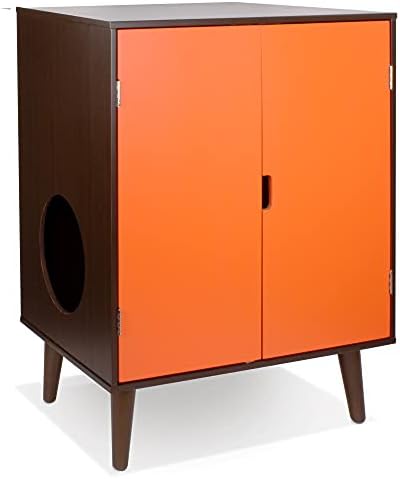
You can find furniture that doubles as a shelter in our guide to indoor cat enclosure hide-away furniture.


Material and Build Standards
The materials used in a cat enclosure dictate how much maintenance it requires and how well it stands up to environmental stressors like moisture or sunlight.
To ensure your pet stays dry, browse our list of the best cat house with waterproof roof.
Space-conscious owners can find the best wall mounted cat playpen options for their homes.
- Wood – This is the most common material, appearing in 73 of the 118 listings we screened. Wood provides a natural aesthetic but requires regular treatment to prevent rot or warping in outdoor settings.
- Metal – This material appears in 16 of the 118 listings we screened. Metal structures offer high durability and are often easier to sanitize than porous wood surfaces.
- Fir – This specific wood type appears in 10 of the 118 listings we screened. Fir is often used for its straight grain and structural integrity in outdoor furniture.
- Cedar – This wood type appears in 10 of the 118 listings we screened. Cedar is naturally resistant to rot and insects, making it a popular choice for outdoor cat enclosures.
- PVC – This plastic material appears in 1 of the 118 listings we screened. PVC is highly resistant to moisture and UV light, making it a low-maintenance alternative to wood.
- Modular vs. Fixed Frame – This describes whether the structure is a permanent build or a configurable system. A fixed frame bolts to a wall for stability, while a modular frame allows you to rearrange panels to fit your specific space.
- Wood vs. PVC/Metal – This choice determines the weight of the unit and its resistance to moisture and UV degradation. Wood feels more natural but may require more maintenance than metal or PVC.
Weather and Protection Features
Weatherproofing determines how much time the enclosure can remain outdoors during rain, snow, or intense sun without the interior becoming unusable.
For a broader overview of options, explore the different types of cat enclosures available today.
- Weatherproofing – This indicates if the manufacturer has treated the materials to resist the elements, which is stated in 91 of the 118 listings we screened. Without stated weatherproofing, wood can warp and metal can rust quickly.
- Tarp Roof – This type of roof appears in 20 of the 118 listings we screened. A tarp provides a lightweight, often removable cover that protects against rain but may move in high winds.
- Asphalt Roof – This roof type appears in 11 of the 118 listings we screened. Asphalt provides a heavy, durable, and waterproof top that stays in place during storms.
- Hardtop – This refers to a rigid, non-fabric roof, appearing in 9 of the 118 listings we screened. Hardtops provide the most permanent protection against heavy snow and debris.
- Waterproof Roof – This status appears in 6 of the 118 listings we screened. A waterproof rating ensures that water will not penetrate the top surface of the enclosure during heavy rainfall.
- Privacy Screening – This refers to mesh or fabric panels that reduce visual stress for the cat. It allows the cat to see out while remaining hidden from external movement.
- Weatherproof Tarp – This accessory provides overhead protection from rain and snow. It must be sized to match the roof dimensions of the enclosure to ensure full coverage.
- Replacement Mesh – This is a spare material used for repairs after wear or predator damage. You should ensure the replacement mesh matches the gauge and material of the original enclosure walls.
How mounting and mobility options affect cat enclosure safety
How the enclosure is positioned determines its safety against tipping and its ease of movement within your home or yard.
Consider exploring the alternatives to a standard cat enclosure if your space is limited.
- Freestanding – This means the enclosure stands on its own and is not attached to a wall, appearing in 99 of the 118 listings we screened. Freestanding units are easier to move but require a stable base to prevent tipping.
- Wall-Mounted – This means the structure is bolted to a wall, appearing in 5 of the 118 listings we screened. Wall-mounted units save floor space and provide maximum stability against wind or weight.
- On Wheels – This mobility feature appears in 28 of the 118 listings we screened. Wheels allow you to move the enclosure to different areas of the yard or house easily.
- Mounting Hardware – These are the bolts and brackets that ensure the structure remains stable against wind and weight. Proper hardware is essential for preventing structural sagging or tipping.
- Door Latch – This mechanism prevents accidental escapes or unauthorized entry. A secure latch is necessary to keep the cat inside the enclosure when you are not supervising them.
Common terms and measurements that confuse cat enclosure buyers
Buyers often confuse measurements and material types that sound similar but serve different functions in a cat enclosure.
Before purchasing, review what to check for in cat enclosure warranties.
Differences between length and width in cat enclosure base measurements
Length measures the longest horizontal dimension of the base, while width measures the shorter horizontal dimension. You should identify which side of your space is the “long” side before ordering to ensure the enclosure fits your layout.
Budget planning is easier when you see what different price levels of cat enclosures offer.
Proper sizing starts by understanding how to choose the correct length for cat enclosures.
Comparing hardtop and tarp roof options for cat enclosures
A hardtop is a rigid, permanent structure like asphalt or wood, whereas a tarp is a flexible fabric cover. A hardtop offers better protection against heavy snow, while a tarp is often easier to remove for cleaning.
Selecting the right footprint requires knowing how to choose the correct width for cat enclosures.
Differences between modular and freestanding cat enclosure construction
Freestanding refers to how the unit sits on the ground (unattached to a wall), while modular refers to how the unit is built (in sections that can be rearranged). A unit can be both freestanding and modular, meaning it sits on the ground but can be reconfigured.
For a deeper dive into specific features, see our full PawHut Cat Enclosure spec breakdown.
The cost of a mistake in these measurements can be high; an enclosure that is 2 inches too wide for a hallway cannot be adjusted without removing the entire structure. Always double-check your clearance measurements before purchase.
For a detailed look at wood materials, see our full Wooden Cat Enclosure spec breakdown.
Browse our other cat enclosure pages
- The Cat Houses That Work Best for Waterproof Roofs
- Which Wall Mounted Cat Playpen Is Best for Small Spaces?
- Best Large Outdoor Catio with Ramps
- Protecting Cats from Predators on a Budget With Outdoor Cat Enclosures
- The Outdoor Catio Enclosures That Work Best for Multiple Cats
- Which Outdoor Cat House Is Best for Feral Cats?