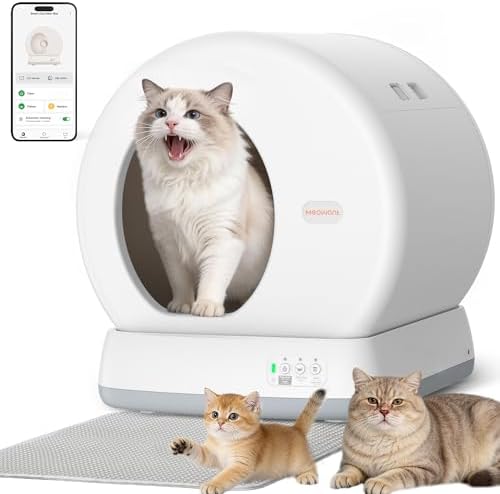
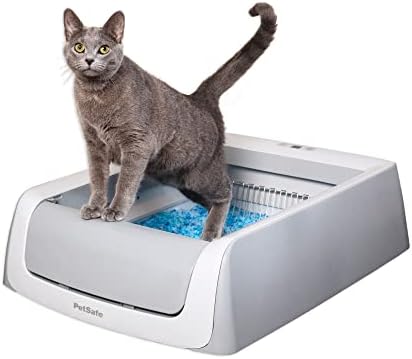
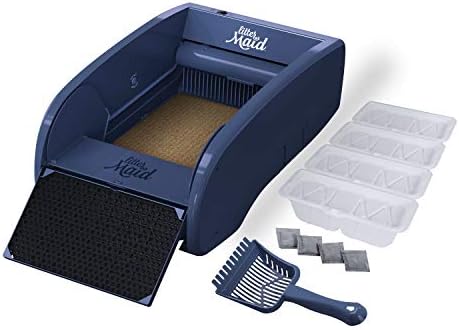
Sifting and rotating mechanisms are the two primary methods used by a self-cleaning litter box to separate waste from clean litter. The choice between these methods depends on your specific requirements for noise levels, maintenance frequency, and the volume of litter your pet uses daily.
Which Sifting vs. Rotating Type Suits You? – Self-Cleaning Litter Box
If this is you
The Sifting vs. Rotating that suits you
Why
You live in an open-plan apartment or a small studio
Sifting mechanism
Sifting systems generally operate with lower decibel levels during the cleaning cycle, which minimizes noise disruption in shared living spaces.
You manage multiple cats who use the box frequently
Rotating mechanism
Rotating drums provide a more continuous cleaning cycle that can handle a higher frequency of use without the mechanical limitations of a sifting rake.
You prefer a low-maintenance routine with fewer manual cleanings
Rotating mechanism
Rotating systems often move more litter during each cycle, which can reduce the frequency of manual deep cleans for the entire unit.
You want a compact footprint for a single cat
Sifting mechanism
Sifting models often utilize a narrower horizontal profile, making them easier to place in tight corners or alongside existing furniture.
Products in this category with a full review here
Prices across these 3 run from $109.99 to $269.99; each one has a full review here.
To decide which mechanism fits your home, you must first establish your daily litter consumption. This is not a guess; it is a measurable metric based on your pet’s habits. You can determine this by weighing the amount of litter your cat removes from the box in a 24-hour period. Most users find that a single cat produces between 200 and 400 grams of waste per day, while multiple cats can double or triple this figure.
Weight capacity requirements for heavy cats in self-cleaning litter boxes
Look for the “Weight Capacity” or “Load Limit” in the technical specifications of a self-cleaning litter box. This number tells you the maximum mass of a pet the unit can support during the cleaning cycle. If your cat weighs more than 15 kg, you must ensure the mechanism is rated for that specific weight to prevent a motor stall. A motor stall occurs when a cheap motor fails to turn because it hits a large clump, leading to a permanent jam and odor. Do you have a heavy cat? You need a unit with a load limit that exceeds your cat’s weight by at least 5 kg to ensure the motor can move the litter and the cat safely.
Sufficient litter capacity for holding seven days of waste
The next value to check is the “Litter Capacity” or “Total Volume.” This is usually listed in litres. Because rotating drums take up more internal space for the drum itself, they often have a smaller total volume than sifting boxes of the same external dimensions. If your cat uses a large amount of litter, you need to ensure the capacity is sufficient to hold at least 7 days of waste. If the capacity is too low, you will find yourself emptying the waste bin daily, which defeats the purpose of an automated system.
Choosing a sifting mechanism when you have a high-volume, multi-cat household often leads to a “clump jam.” Because sifting relies on a rake moving across the surface, a large or heavy clump can block the path of the rake. This results in the machine failing to clear the waste, requiring you to manually intervene to clear the blockage. The mistake shows up as a “failure to clear” notification or a grinding noise as the motor struggles against the obstruction.
Dust migration risks when rotating drums have low litter volume
Conversely, choosing a rotating mechanism for a single cat in a very small space can lead to “dust migration” or “over-rotation.” Rotating drums are designed to move large amounts of material. If the volume of litter is too low for the drum’s capacity, the machine may cycle through the entire litter bed too quickly, potentially throwing fine particulate matter into the air. This happens when the enclosure is not perfectly sealed or the rotation speed is set too high for the amount of material present. The result is a layer of fine dust on nearby surfaces rather than a clean litter bed.
Infrared sensor calibration for cat safety in rotating models
Another risk involves “sensor blindness” in rotating models. Because the drum is constantly moving, the infrared sensors must be calibrated to distinguish between a cat entering the zone and the movement of the drum itself. If the mechanism is not suited to your cat’s movement speed, the sensor may fail to detect the cat in the path. This can lead to the motor engaging while the cat is still inside, causing mechanical damage or injury. Selecting a mechanism that matches your cat’s typical entry speed is a vital safety consideration.
What to Do if You Fall Between Sifting and Rotating?
If your requirements sit in the middle—for example, you have two cats but live in a small apartment—you must weigh the priority of noise versus volume. Sifting is generally quieter but handles less waste per cycle. Rotating is louder but handles more waste. In this borderline case, the decision should be based on the “maintenance frequency” you are willing to accept.
Choosing between sifting and rotating mechanisms based on noise tolerance
If you are willing to empty the waste bin twice a day to keep the unit quiet, the sifting mechanism is the correct choice for your environment. If you prefer to only empty the bin once every two days and can tolerate a louder motor during the cleaning cycle, the rotating mechanism is the better fit. This choice is about your personal tolerance for noise versus your personal tolerance for manual maintenance.
Power ratings and sensing radius for optimizing self-cleaning litter box performance
When requirements conflict, look at the “Power Source” and “Power Rating” of the unit. A sifting unit with a higher power rating can often move larger clumps, narrowing the gap between it and a rotating drum. If you find a sifting model with a high power rating and a large litter capacity, it may provide the benefits of both systems. Check the “Sensing Radius” to ensure that regardless of the mechanism, the device recognizes your cat’s movement from a safe distance. A sensing radius of at least 10 cm ensures the motor stops before the cat reaches the internal components.
Reviewed by the Early Pricing editorial team. Early Pricing writes these guides from the 200 most-reviewed Self-Cleaning Litter Box listings in our retail dataset, not from manufacturer copy.
More motorized litter box explainers and comparisons
Power Source for self-cleaning litter boxes is measured in Watts and represents the electrical power draw required to operate the motor and internal components. You need to select a Wattage that balances your home’s available power supply with the mechanical requirements of the specific litter weight and volume you intend to process.
Which Power Source Suits Your Home?
Which Power Source Suits Your Home? – Self-Cleaning Litter Box
If this is you
The Power Source that suits you
Why
You live in a small apartment with limited outlets
Lower Wattage (under 150W)
Lower power draw reduces the risk of tripping a circuit breaker in shared living spaces.
You have multiple large cats and heavy litter usage
Higher Wattage (200W to 400W)
Higher wattage provides the torque necessary to move larger volumes of waste and heavy litter clumps.
You want to run the unit on a portable power station
Low to Mid Wattage (under 200W)
Lower Wattage preserves the limited battery capacity of portable power units for longer operational cycles.
You have a standard household power grid and no space limits
Standard Wattage (150W to 300W)
This range provides a balance of reliable motor performance without excessive heat generation.
Self-Cleaning Litter Boxes covered by our own reviews
3 options shown here, $109.99 to $329.99, each with its own full review behind its name.
How do I measure the Power Source of a self-cleaning litter box?
To measure the Power Source of a self-cleaning litter box, you must locate the Wattage rating on the manufacturer’s technical specifications or the physical product label. Manufacturers usually list this as a “Power Rating” or “Power Consumption” value followed by a number and the letter “W” for Watts.
Calculating the Wattage of a self-cleaning litter box from specifications
You can find this number in the “Technical Specifications” section of the product listing. It is often grouped with the voltage requirements, such as 110V or 220V. If the listing only provides Amps (A) and Volts (V), you can calculate the Watts by multiplying the Amps by the Volts. For example, a device using 1.5 Amps on a 120V circuit draws 180 Watts.
Matching the self-cleaning litter box Wattage to household outlet limits
Before ordering, check the plug type and the maximum Wattage your specific outlet can handle. Most standard household outlets in North America can handle up to 1,800 Watts, but many people use power strips or extension cords that have much lower limits. If you plan to use a power strip, ensure the total Wattage of all connected devices does not exceed the strip’s rated capacity.
What happens if I choose the wrong Power Source for my self-cleaning litter box?
Choosing a Power Source that is too low for your needs results in a motor that lacks the torque to move heavy litter. When the motor encounters a large clump or a high volume of waste, it may stall. A stalled motor creates a permanent jam, which leads to the machine failing to complete its cycle and causing the litter to accumulate and create odors.
How low power can cause self-cleaning litter box motor overheating
The cost of a low-power mistake is a non-functional device that requires manual intervention to clear the blockage. If the motor is constantly struggling, it may also run hotter than intended. Overheating can shorten the lifespan of the internal gears and the motor itself, leading to a premature mechanical failure of the self-cleaning litter box.
Risks of using a high-Wattage power source for a litter box
Selecting a Power Source that is unnecessarily high does not make the device faster or more effective. Instead, a high-Wattage unit may draw more current than your specific outlet or power strip can provide. This can cause the circuit breaker to trip, cutting power to the device and other appliances on the same circuit. It can also lead to increased heat generation near the power cord and the base of the unit.
Impact of high power draw on portable battery life for litter boxes
High power draw also impacts the efficiency of battery-operated or portable power systems. If you are running a self-cleaning litter box off a portable battery, a high-Wattage unit will drain the battery significantly faster. This reduces the amount of time the device can operate before needing a recharge, potentially leaving the litter uncleaned for longer periods.
What should I do if my requirements fall between two Power Source values?
When your requirements fall between two Power Source values, you should prioritize the higher Wattage. In the context of self-cleaning litter boxes, having more power available is safer than having less. If your home’s electrical capacity allows for it, the higher Wattage ensures the motor has the necessary torque to handle heavy-duty tasks without stalling.
Why heavy clay litters require a higher Wattage self-cleaning litter box
You should choose the higher Wattage if you have multiple cats or use heavy, clay-based litters. These materials are denser and require more force to move. If you are unsure about the weight of the litter you will use, the higher Wattage provides a buffer against future changes in your household’s needs.
Choosing lower Wattage self-cleaning litter boxes for limited power sources
However, if your primary concern is the power limit of a specific outlet or a portable battery, you must choose the lower Wattage. In this specific scenario, the lower Wattage is the only option that ensures the device can actually turn on and run without triggering a safety shutoff. If you choose a high-Wattage unit that your power source cannot support, the device will be unusable.
Using lighter litter to balance power limits and motor torque
When these two requirements conflict—needing high torque but having limited power—you must evaluate the weight of the litter you intend to use. Switching to a lighter, silica-based litter can allow a lower-Wattage motor to perform the task effectively. This adjustment allows you to stay within your power limits while still achieving a clean result from the self-cleaning litter box.
Reviewed by the Early Pricing editorial team. Early Pricing writes these guides from the 200 most-reviewed Self-Cleaning Litter Box listings in our retail dataset, not from manufacturer copy.
Self-cleaning litter box prices range from $108.99 to $799.99, with the majority of models falling between $165.56 and $289.99. As the price rises, the primary change occurs in the cost per unit of weight capacity, which increases from $5.91 at the entry level to $25.36 at the top end.
Self-Cleaning Litter Box Price Levels at a Glance
Self-Cleaning Litter Box Price Levels at a Glance
Price level
Price range
Products
Median weight capacity
Median rating
Entry level
$108.99 to $165.56
33
22 lbs
4.1
Lower mid-range
$165.56 to $219.99
34
18 lbs
4.0
Upper mid-range
$222.90 to $289.99
34
18 lbs
4.0
Top end
$298.44 to $799.99
34
20 lbs
4.0
Products in this category with a full review here
From $165.56 to $399.99: 3 of the 15 in this category we have reviewed in full.
What does an entry level self-cleaning litter box provide?
An entry level self-cleaning litter box provides a median price of $132.79 and a median weight capacity of 22 lbs. This price point suits a buyer with a single, smaller cat who needs basic automation but does not require high-capacity weight limits or advanced sensor arrays. Because these units prioritize cost, they often provide less internal space or simpler mechanical designs compared to higher tiers.
The entry level offers a weight capacity of 22 lbs for a median cost of $132.79. If you have a cat that weighs under 15 lbs, this tier provides the most economical path to an automated system. However, you give up the higher weight capacities and more sophisticated sensor tech found in the mid-range and top-end options.
What does a lower mid-range self-cleaning litter box provide?
Lower mid-range automatic litter boxes support 18 lb weight limits
The lower mid-range costs around $189.98 and supports a median weight of 18 lbs. This tier is suitable for owners of standard-sized cats who want a reliable automated cycle. Compared to the entry level, you gain a more refined price-per-unit of weight capacity at $9.20, but you may find the weight capacity itself lower than the entry-level median of 22 lbs.
What does an upper mid-range self-cleaning litter box provide?
An upper mid-range self-cleaning litter box provides a median price of $249.99 and a median weight capacity of 18 lbs. This level suits a buyer who prioritizes advanced features like better sensor integration or more robust housing over raw weight capacity. It is the standard choice for those who want a high-tech experience without reaching the highest price bracket.
Upper mid-range models provide sophisticated features for 18 lb cats
The upper mid-range costs a median of $249.99 and supports a 18 lbs weight capacity. You gain a more sophisticated user experience in this tier, though the price per unit of weight capacity rises to $14.93. If you require a device that handles larger cats, you may find the 18 lbs median limit restrictive compared to the 22 lbs found in the entry-level group.
What does a top end self-cleaning litter box provide?
A top end self-cleaning litter box provides a median price of $399.50 and a median weight capacity of 20 lbs. This level suits a buyer who wants the highest build quality, most advanced sensors, and the most durable motor components available in the category. It is for the user who wants the most refined technology and is willing to pay a significant premium for it.
Top end robot litter boxes prioritize premium engineering over weight
The top end provides a median price of $399.50 and a 20 lbs weight capacity. While it offers the most premium features, the cost per unit of weight capacity is the highest in the category at $25.36. You are paying for engineering and features rather than a higher weight limit, as the 20 lbs median is lower than the 22 lbs median found at the entry level.
Where does paying more stop buying more for a self-cleaning litter box?
Paying more stops buying more when the cost per unit of weight capacity exceeds $14.93, as the gain in weight capacity flattens significantly at the top end. The entry level offers a very efficient $5.91 per lb of capacity, while the top end jumps to $25.36 per lb. This means the most expensive units are not designed to hold heavier pets, but rather to provide premium features that do not scale with weight.
Price per pound of weight capacity varies across price tiers
The price-per-unit of weight capacity shows that the most significant value gains occur in the first three tiers. Moving from the lower mid-range ($9.20 per lb) to the upper mid-range ($14.93 per lb) represents a manageable increase for additional features. However, jumping to the top end ($25.36 per lb) represents a sharp increase in cost that does not result in a higher weight capacity, as that figure actually drops from 22 lbs at the entry level to 20 lbs at the top end.
What should you budget for beyond the initial self-cleaning litter box purchase?
You must budget for ongoing maintenance costs including a Replacement Filter, a Replacement Sifting Screen, and a Replacement Drive Belt. A Replacement Filter is a consumable required to maintain odor control, and you will need to purchase a specific model that matches your unit’s dimensions. A Replacement Sifting Screen is a wear-and-tear part that ensures proper waste separation, and it must match the specific geometry of your machine’s internal mechanism.
Replacement drive belts ensure long term functionality of motorized units
The Replacement Drive Belt is a critical mechanical component for power transmission; if it wears out or snaps, the unit will fail to move waste. Because these parts are specific to the manufacturer’s design, you must ensure the replacement part is compatible with your specific model number. Budgeting for these items ensures the longevity of the machine, as a failure in the drive belt or sifting screen can render the device unusable.
How do you determine a fair price for a self-cleaning litter box?
You determine a fair price by calculating the price per unit of weight capacity and comparing it to the median values for your desired tier. The entry level median is $5.91 per lb, the lower mid-range is $9.20 per lb, the upper mid-range is $14.93 per lb, and the top end is $25.36 per lb. A fair price is one that aligns with these medians based on the level of technology you require.
Determining fair self-cleaning litter box prices based on cat needs
To find a fair price, identify the weight capacity your cat requires and the features you need. If you only need basic operation, a price that results in a figure near $5.91 per lb of capacity is a strong value. If you require high-end sensors and premium build materials, a price closer to the $14.93 or $25.36 per lb marks is expected for that level of technology. These prices were checked in November 2026, and retail prices move frequently.
Reviewed by the Early Pricing editorial team. Early Pricing writes these guides from the 200 most-reviewed Self-Cleaning Litter Box listings in our retail dataset, not from manufacturer copy.
You should measure the height of your cat’s shoulders to ensure they can clear the opening comfortably. If your cat stands under 22 pounds, the unit supports their weight during the cleaning cycle.
Meowant MW-SC02-111 features a low entry point and 22lb weight limit
The 75L toilet space provides ample room for movement, which helps maintain proper weight distribution—how the cat’s mass sits over the rotating drum—to prevent motor strain. We selected the Meowant MW-SC02-111 for our full review because it offers a specific entry height for smaller breeds. For senior cats, a low entry point prevents the risk of a cat tripping or struggling to step into the unit. Since the weight capacity is 22 pounds, you should confirm your cat does not exceed this limit to avoid a motor stall, which occurs when a heavy load prevents the drum from turning. This self-cleaning litter box, which uses a rotating drum to move waste into a separate compartment, requires specific litter to manage litter clumping—the sticking together of waste—which can otherwise jam the internal gears.
What to Check Before Buying the Meowant MW-SC02-111
Checking these specifications ensures the device functions correctly for your specific household needs.
Verify the cat’s weight is under 22 pounds to ensure the drum maintains balance during rotation.
Confirm the 6.8in entrance height allows your cat to enter without needing to jump or strain.
Check that your preferred litter type does not create heavy, sticky clumps that could obstruct the rotating gears.
Comparing the Meowant MW-SC02-111 to Other Options
The Meowant MW-SC02-111 serves owners who prioritize a low-profile entry point for smaller or older pets. If you have a large breed like a Maine Coon, which often weighs over 25 pounds, you should look at heavy-duty models with higher weight limits. Buyers who need high-tech sensors or different power requirements might prefer different configurations, but this model focuses on physical accessibility and internal volume.
Proper measurements and clearance ensure successful installation of the self-cleaning litter box
Choosing a unit with an entrance that is too high can result in a return or a cat that refuses to use the box. A buyer first measures their cat’s height and weight, then confirms the litter type is compatible with the rotating mechanism. They then place the unit in a spot with enough clearance for the drum to turn, ensuring the cat has a clear path into the 75L space.
If you have a cat under 22 pounds that requires a low-entry point, the Meowant MW-SC02-111 is a practical choice for your home.
Reviewed by the Early Pricing editorial team. Early Pricing writes these guides from the 200 most-reviewed Self-Cleaning Litter Box listings in our retail dataset, not from manufacturer copy.
More Self-Cleaning Litter Box explainers and comparisons
You should measure a floor space of at least 30 inches in length to ensure the unit fits comfortably in your room.
Multi-Cat P-98281 dimensions and weight capacity for multi-cat households
These dimensions represent the exterior footprint of the device, which is a specialized motorized box that automatically scoops waste from a litter tray. The Multi-Cat P-98281 measures 28.25 inches long, 11 inches wide, and 19.5 inches high. Because this model includes a motion sensor for automatic scooping, you must ensure the area is level to prevent the internal rake from jamming or the unit from wobbling during a cycle. We selected this model for our comparison because it offers a large-scale footprint for multi-cat households. While the unit is designed for cats over 15 lbs, it may not provide enough clearance or weight support for a 30 lb Maine Coon, as its rated capacity is 15 lbs.
Verifying your space is critical for a self-cleaning litter box because the internal mechanical components require specific clearances to move without hitting walls or furniture. Check these points before purchasing:
Confirm you have a level floor surface to ensure the automatic rake functions without mechanical errors.
Verify that your ceiling height allows for the 19.5-inch tall unit plus any extra clearance needed for the lid to open.
Measure the distance to the nearest wall to ensure the 28.25-inch length fits without obstructing the motion sensor.
Check for a nearby power outlet, as the unit requires a connection to operate the scooping mechanism.
Ensure the area can accommodate the waste drawer, which stores the collected litter.
Evaluating the Multi-Cat P-98281 for Your Home
The Multi-Cat P-98281 serves users who need a high-capacity solution for multiple pets in a single household. If you have a single cat weighing under 15 lbs, you might find a more compact unit that takes up less floor space. However, for households with several cats, the large/X-Large footprint provides the necessary volume to prevent litter scatter. Buyers who prioritize a high-tech, automated cleaning cycle over a manual tray will find this model’s motion-sensing features useful for maintaining a clean environment.
If you have a multi-cat household with pets under 15 lbs and need an automated cleaning solution, the Nature’s Miracle Multi-Cat P-98281 is a practical choice for your home.
Reviewed by the Early Pricing editorial team. Early Pricing writes these guides from the 200 most-reviewed Self-Cleaning Litter Box listings in our retail dataset, not from manufacturer copy.
The best self cleaning litter box for bad smells is the Whisker Litter-Robot 4, which uses a carbon filter to neutralize odors for owners who prioritize high-tech waste management.
We went through 10 Self-Cleaning Litter Box options to build this list. These 3 are the ones worth your time.
How Early Pricing picked: we started from the 200 most-reviewed Self-Cleaning Litter Box listings in our retail dataset, removed duplicates, accessories and off-category products, and 135 qualified. The picks on this page were selected from those 135 candidates against this topic’s requirements. The order of the picks reflects fit to this topic; each shows its rating and the number of ratings behind it, so you can weigh how much to trust it. Specifications come from manufacturer listings and ratings from verified Amazon buyer reviews (data checked November 2026).
What We Recommend and Why
Last Updated: November 28, 2026
If you have a multi-cat household, you need to verify the weight capacity of a unit to ensure the motor can handle the largest pet without stalling. The Whisker Litter-Robot 4 supports a 3 lb minimum weight for its automatic mode, making it ideal for smaller cats. The Neakasa M1GW Plus is a better fit for larger pets due to its 3.3-33 lbs capacity, while the FEELNEEDY Odor Control Robot provides a triple-layer defense system for those prioritizing odor containment.
We selected these products by screening 135 Self-Cleaning Litter Boxes at Early Pricing to ensure they meet specific odor-control requirements. The products in our comparison range from $239.98 to $749, with a median price of $374.99.
Learn about key features and selection criteria in the buying guide.
Prices are approximate and move frequently – check the current price before deciding. “Not stated” means the manufacturer listing does not give that figure – we do not estimate it.
Price vs. buyer rating for the 10 Self-Cleaning Litter Box products we compared. Highlighted points are our top picks.
The Full Review of Each Pick for Odor Control
The 3 picks below are reviewed in the same order as the cards above.
Whisker Litter-Robot 4
The Whisker Litter-Robot 4 made this list because it represents the premium high-tech segment of the market, offering advanced tracking and a dedicated sifting mechanism to manage waste.
What we like: This model includes a WiFi-enabled system that allows you to monitor litter levels and track cat weight after each use. The sifting process—which separates waste from clean litter by moving it through a screen—is designed to reduce odors automatically.
Neakasa M1GW Plus
We selected the Neakasa M1GW Plus as a high-capacity option that provides a versatile solution for households with up to 3 cats.
What we like: This unit features a 6-array rotary sensor system that pauses operation if it detects motion, and it includes a built-in brush strip for odor control. The 11.2L waste bin capacity allows for a longer maintenance interval of 7-14 days.
Keep in mind: This model is specified for Tofu litter compatibility; you should verify your specific litter type before purchasing to ensure it works with the 7.2L litter capacity.
FEELNEEDY Odor Control Robot
The FEELNEEDY Odor Control Robot is included for its specific focus on odor neutralization through a multi-layered defense system.
What we like: This robot uses a rotating drum cleaning mechanism and features an airtight waste storage area with a silicone gasket to trap smells. It is compatible with silica crystal litter, which is a common choice for those seeking to minimize dust.
Keep in mind: The 11L trash bin capacity allows for 15 days of use, but you should check if your specific litter’s moisture absorption rate fits this timeframe.
Which model has the best seal for a multi-cat household?
The FEELNEEDY Odor Control Robot provides a triple-layer defense system and an airtight waste storage area with a silicone gasket to manage the increased waste of multiple cats. Odor control scales with the number of cats because more frequent use leads to faster waste accumulation. While the Neakasa M1GW Plus uses a composite sealing ring for leak control, the FEELNEEDY specifically highlights an airtight gasket and integrated ABS material to trap odors.
What to Look For in an Automatic Litter Box for Odor Control
Choosing the correct filtration media type for an automatic litter box
Choose a model compatible with your specific litter type, as the FEELNEEDY Odor Control Robot supports silica crystal, clumping, and tofu options while the Neakasa M1GW Plus specifies tofu. If you use any clumping litter, the Whisker Litter-Robot 4 is a versatile choice as it states compatibility with any clumping litter. The LitterMaid LM980 serves as the industry benchmark for heavy-duty motor reliability, whereas the products we evaluated offer varied material support from silica to tofu.
How waste compartment sealing prevents odors from escaping the unit
Prioritize units with a sealed waste drawer or enclosure to prevent odors from escaping into your home. The FEELNEEDY Odor Control Robot features an airtight waste storage with a silicone gasket, which is a seal that prevents air from escaping the bin. The PetCove PurrTek Smart Automatic Litter Box and MeoWant Self-Cleaning Cat Litter Box both state they use a sealed enclosure for this purpose. You should check if your current litter brand creates heavy dust, as a tighter seal can trap fine particles inside the bin.
Why automatic cycle frequency matters for keeping a robot litter box fresh
Look for a unit that activates quickly after use to prevent waste from sitting and smelling. The FEELNEEDY Odor Control Robot activates within 2 minutes of a cat exiting the unit. While the Whisker Litter-Robot 4 uses a sifting process to separate waste, the specific cycle frequency is not stated. For your setup, count how many times your cat uses the box per day; if they use it frequently, a faster activation cycle helps maintain a fresher environment.
Selecting between carbon filters and chemical deodorizing agents for odor control
Determine if you prefer a mechanical trap like a carbon filter or a chemical deodorizer to manage smells. The Whisker Litter-Robot 4 and PETLIBRO Luma Smart Litterbox both use a carbon filter, which is a porous material that adsorbs odors from the air. The FEELNEEDY Odor Control Robot uses a triple-layer defense system, while the Neakasa M1GW Plus includes a built-in brush strip. If you prefer a hands-off approach, a carbon filter system often requires less frequent replacement than manual deodorizers.
What Each Job Calls For vs What These Picks State
Match the job you actually need done to the figure it calls for, then check which picks state that figure or more. Where none do, the row says so.
What Each Job Calls For vs What These Picks State – Self-Cleaning Litter Box
What you want to do
The figure it calls for
Picks at or above it
Stop smells from escaping the litter box
Carbon filter or sealed enclosure
Litter-Robot 4, Neakasa M1GW Plus, Odor Control Robot
Keep the area around the box smelling fresh
Triple-layer defense system
Odor Control Robot
Prevent odors from lingering in the waste bin
Airtight waste storage
Odor Control Robot
Support a heavy cat in an automatic system
30 lbs
None of our picks (requires a heavy-duty rotating drum)
These figures are the levels this category is generally held to, not manufacturer claims. A pick at or above a figure states that number; how it reaches it and the rest of your setup still decide the job, so check them against your own workload before buying.
Who Buys Self-Cleaning Litter Boxes, and What It Really Costs
Who buys a Self-Cleaning Litter Box, and what each one needs
Multi-cat households — a system that handles high-capacity needs without motor stall (stopping when hitting a clump)
Apartment dwellers — a unit with a sealed enclosure to prevent dust migration (fine particles moving into the air)
Senior pet owners — a device with sensor detection range to avoid sensor blindness (failing to see a cat in the path)
Owners of large breeds — a machine that supports a weight capacity under the 30 lbs limit (maximum weight for standard rotating drums)
Owners of high-dust litter — a system compatible with Silica or Tofu to manage specific material types
What a self cleaning litter box really costs, and where to buy one
What to budget for on top of the self cleaning litter box
Litter material — required to fill the tray and provide a waste surface
Waste bags — needed for the disposal of collected waste
Replacement filters — needed to maintain the air quality of the enclosure
Cleaning supplies — needed to sanitize the internal components and outer shell
What you can leave out of the budget
External air purifiers — unnecessary if the unit has a sealed enclosure to stop dust migration
Manual scooping tools — unnecessary for units that provide 100% coverage (covering the entire floor area)
Where this kind of product is normally sold
Specialty pet boutiques — offers expert advice and often includes bundled starter supplies
Major online marketplaces — provides wide selection and easy price comparison for different tiers
Big-box retailers — allows for immediate pickup and standard manufacturer warranty handling
Direct manufacturer sites — provides access to the latest firmware and direct customer support
Understand the boundaries of this guide in the scope.
What It Takes to Run One, and What to Verify
Setting up your automatic litter box
You need a flat, firm surface and a power outlet to operate these units, as weight scale technology requires a stable floor to function. You can use any clumping litter with the Whisker Litter-Robot 4, while the Neakasa M1GW Plus specifies compatibility with Tofu and the FEELNEEDY Odor Control Robot states it works with silica crystal litter.
The Whisker Litter-Robot 4 requires a minimum cat weight of 3 lbs (1.4 kg) for Automatic Mode to engage.
The Neakasa M1GW Plus uses 2.4GHz Wi-Fi only for app connectivity.
The FEELNEEDY Odor Control Robot requires an area where it can activate within 2 minutes of a cat exiting.
Verifying your order upon delivery
Warranty coverage and return policies vary by seller and country. Confirm these details before the return window closes to ensure you have recourse for any shipping issues.
Verify the 6-array rotary sensors on the Neakasa M1GW Plus are intact, as these detect motion to pause operation.
Check the 11L trash bin and the 3-layer waterproof cat litter mat on the FEELNEEDY Odor Control Robot for any cracks or tears.
Inspect the Whisker Litter-Robot 4 sifting mechanism to ensure the internal components move freely.
Confirm the presence of the OdorTrap Packs or carbon filters, as these are necessary for neutralizing ammonia smells.
Perform a dry run of the cleaning cycle immediately upon setup to confirm the movement of the sifting or rotating drum mechanisms.
Self-Cleaning Litter Boxes for Odor Control: The Questions This Choice Raises
How much does it cost to keep the machine running and the litter fresh?
Ongoing costs for keeping the machine running and the litter fresh depend on your choice of litter and replacement parts. The Whisker Litter-Robot 4 includes 3 carbon filters and 3 OdorTrap refills, while the FEELNEEDY Odor Control Robot and Neakasa M1GW Plus require specific litter types like silica or tofu to maintain their odor control systems.
Do I need a specific amount of floor space or a certain power outlet nearby?
The floor space you need depends on the footprint of the self-cleaning litter box, such as the Neakasa M1GW Plus which measures 22″L x 20″W x 26″H. While the power requirements for these units are not stated in the data, you should ensure a standard outlet is accessible near your chosen placement area.
Which self-cleaning litter box is best for odor control?
If you want a self-cleaning litter box that is best for odor control, the FEELNEEDY Odor Control Robot features a triple-layer defense system and an airtight waste storage with a silicone gasket. The Whisker Litter-Robot 4 also addresses smells using a carbon filter and OdorTrap packs to neutralize waste.
Which automatic litter box supports health tracking?
The automatic litter box that supports health tracking includes the Whisker Litter-Robot 4 and the FEELNEEDY Odor Control Robot. These models monitor feline habits by tracking cat weight after each use or providing other tracking data to help you monitor your pet’s routine.
If you own a cat that weighs more than 30 lbs, these options are the wrong tool for your home. The 30 lb limit is the maximum weight limit for standard rotating drums before motor strain or safety sensor failure occurs, and none of the products on this page reach that threshold.
Not stated in the listing – confirm with the seller before ordering
Power Source
Not stated in the listing – confirm with the seller before ordering
Suits multi-cat households
Multi-cat households
Apartment dwellers
Busy professionals
Night shift workers
$57 under the category median
This Self-Cleaning Litter Box
$165.56
Median of the 135 Self-Cleaning Litter Boxes we screened
$222.90
Range
$108.99 to $799.99
Cheaper than this one
32 of those 135
Multi-Cat P-98281 Overview
Nature’s Miracle Multi-Cat P-98281 rakes waste and supports a weight capacity of over 15 lb for owners of multiple cats weighing less than that limit.
Last Updated: November 28, 2026
If you have a multi-cat household where pets weigh less than 15 lb, the high walls on this unit help keep litter contained within the 28.25 x 11 x 19.5 inch footprint. This design prevents the mess that often occurs with standard open-top models.
The Nature’s Miracle Multi-Cat P-98281 fits this multi-pet scenario by providing a specialized paw cleaning ramp for use after the cat exits the box. It is designed for indoor use and includes a removable automatic rake for manual maintenance.
We evaluated 135 Self-Cleaning Litter Boxes and selected this model as one of 15 for a full review because it had 3,366 buyer ratings, the 8th most of the 135 screened. Full reviews go to the most-rated products that pass screening, at most 2 per brand. Our comparison is based on research of listing data.
How Early Pricing picked: we started from the 200 most-reviewed Self-Cleaning Litter Box listings in our retail dataset, removed duplicates, accessories and off-category products, and 135 qualified. This product is one of 15 from that pool chosen for a full review. Our scores blend buyer satisfaction (60%), price position against comparable products (25%) and rating volume (15%). Specifications come from manufacturer listings and ratings from verified Amazon buyer reviews (data checked November 2026).
The Short Answer on the Multi-Cat P-98281
Best for: you own multiple cats and need an automated system that handles litter and waste without manual intervention.
The Nature’s Miracle Multi-Cat P-98281 is a practical choice at $165.56.
Pro: The carbon filter odor control method helps trap smells at the source.
Pro: High walls help prevent litter from scattering outside the unit.
Pro: A built-in night light setting provides visibility in dark rooms.
Con: The 15 lb weight capacity prevents the unit from supporting large breeds like Maine Coons.
Con: A 14.15 lb item weight means the unit has a significant footprint of 28.25 x 11 x 19.5 inches.
Don’t buy this if: you have a cat weighing more than 15 lbs or a kitten under 6 months old.
Price assessment: The $165.56 price point is fair for a self-cleaning unit that includes a paw cleaning ramp and motion sensor.
7.4/10
Early Pricing score: 7.4/10 (data-driven – see “How we picked” above)
Full technical specifications and weight capacity for this motorized litter box
Full technical specifications and weight capacity for this motorized litter box – Multi-Cat P-98281
Weight Capacity
over 15 lb
Dimensions
28.25 x 11 x 19.5 inches
Odor Control Method
Carbon Filter
Cleaning Mechanism
Raking
Material
Plastic
Included Item
Removable automatic rake
Warranty Description
1-year Limited
Weight Capacity measures the maximum mass of a pet the unit can support.
Where the Multi-Cat P-98281 sits on each spec this category is judged by, against the Self-Cleaning Litter Box listings we screened.
Where this sits in the buyer data: Among the 135 products screened for this category, this one’s 3.5 rating places it #99, on 3,366 ratings – above the 90-rating median of that group, so the average rests on more feedback than most of its comparables. On price it undercuts 100 of them.
The first thing to check is the weight capacity of the unit to ensure it can handle your specific pet.
✓ Confirm the weight capacity is over 15 lb — a pet exceeding this limit may cause a motor stall, where a cheap motor fails to turn when it hits a large clump, leading to a permanent jam and odor.
✓ Measure your space for a footprint of 28.25 x 11 x 19.5 inches — a smaller alcove will prevent the unit from fitting into your laundry room or bathroom.
✓ Verify the cleaning mechanism is raking — this method moves waste through the litter rather than using a rotating drum.
✓ Check for a carbon filter — this specific odor control method traps smells before they enter your home.
✓ Ensure the motion sensor is compatible with your cat’s movement — if a sensor experiences blindness, it may fail to detect a cat in the path, leading to potential injury or mechanical damage.
You should not buy this product if you have a Maine Coon or any cat weighing more than 15 lbs, as the unit is not designed to support heavy cats.
What These Specifications Let You Do
How the motion sensor triggers automatic scooping for multiple cats
The Multi-Cat P-98281 includes a motion sensor for automatic scooping, which triggers the cleaning cycle when a cat enters the unit. You can rely on this feature to manage waste for multiple cats, provided each cat weighs under 15 lbs. This weight capacity is a specific limit; if you have a large Maine Coon or a heavy cat that exceeds 15 lbs, the unit may not support the load safely.
Because the 15 lb limit is below the 30 lb reference figure—the threshold where standard rotating drums often face motor strain or safety sensor failure—you should verify your cat’s weight before purchase. For a cat weighing 10 lbs, this system handles the routine of clearing waste without manual intervention. If your cat is larger than 15 lbs, you would need to scoop the waste manually to avoid potential mechanical issues.
How high walls prevent litter scatter within the device footprint
High walls on the Multi-Cat P-98281 help prevent litter scatter by creating a physical barrier around the waste area. These walls keep the litter contained within the 28.25 x 11 x 19.5 inch footprint of the device. This design is useful for maintaining a clean floor area in high-traffic zones where litter might otherwise be kicked out of a standard opening.
By keeping the litter inside the unit, these walls reduce the amount of tracking into your home. You can place the unit in a room where you want to minimize the mess of a multi-cat household while maintaining a clear floor area.
How the integrated paw cleaning ramp reduces litter tracking
The Multi-Cat P-98281 features a paw cleaning ramp to help remove litter from your cat’s feet as they exit the unit. This integrated feature works alongside the raking cleaning mechanism to keep the surrounding area cleaner. By using the ramp, you reduce the amount of litter that sticks to fur and paws before the cat leaves the box.
The ramp design complements the 11-inch width of the unit, providing a dedicated path for the cat to transition out of the litter area. This allows you to maintain a cleaner environment for your cats while they use the self-cleaning system. Using the ramp after a session helps keep the litter inside the box and off your flooring.
The Multi-Cat P-98281 Job by Job: What Its Figures Cover
The Multi-Cat P-98281 against the jobs buyers ask about, worked out from its listed weight capacity and a typical need for each job.
The Multi-Cat P-98281 Job by Job: What Its Figures Cover
The Multi-Cat P-98281 Against Similar Self-Cleaning Litter Boxes
The Nature’s Miracle Multi-Cat P-98281 provides a 1-year limited warranty, which protects your investment against manufacturing defects for the first year of ownership.
Price comparison of this motorized litter box against similar models
The Nature’s Miracle Multi-Cat P-98281 is the 1st cheapest option among the 6 models compared, priced at $165.56.
The Peterest Semi Automatic Self Cleaning Cat Litter Box matches the $165.56 price of the Multi-Cat P-98281.
The Fsitego Autoamtic Litter Box costs $0.92 more than the Multi-Cat P-98281.
The WARCAT Automatic Self-Cleaning Cat Litter Box costs $4.43 more than the Multi-Cat P-98281.
The KITPLUS Self Cleaning Litter Box costs $4.43 more than the Multi-Cat P-98281.
If you own a cat weighing over 15 lbs, choose the WARCAT Automatic Self-Cleaning Cat Litter Box, which supports a 22 lb weight capacity.
What the Multi-Cat P-98281 costs next to the Self-Cleaning Litter Box alternatives we compared.
What the deciding spec costs here: Measured as price per unit of Weight Capacity, the reviewed product works out to $11.04 against a $13.12 median across the 62 other screened products that state the spec, and 21 of them deliver more of it per dollar. The cheapest screened product that beats its over 15 lb is the Thereye ER-SC06 at $109.99 with 27.5lbs, which is $55.57 less than this one for more of the spec that decides this category.
Setting Up This Self-Cleaning Litter Box, and What Support Covers
Setting Up This Automatic Cat Toilet
You must have a flat, level surface with a power outlet nearby before you begin the installation of the Multi-Cat P-98281.
Place the unit in your desired location to ensure the 28.25 x 11 x 19.5 inch footprint fits your space.
Connect the power cord to a standard wall outlet to activate the motion sensor and internal motor.
Remove the removable automatic rake from its storage position to prepare for the first cleaning cycle.
Set the night light setting to your preference before placing the first cat inside.
Warranty and Support: What to Check
Warranty coverage and return policies vary by seller and country, so you should verify the specific terms for your region immediately upon purchase.
Confirm the motion sensor activates correctly to avoid a motor stall, which occurs if the unit fails to detect a cat and continues to rake.
Verify the night light functions as intended to ensure the unit is visible in low-light environments.
Check the condition of the carbon filter, as this material is required to maintain odor control.
Inspect the plastic housing for any shipping damage that could lead to dust migration into your home.
Test the motion sensor by placing a hand near the entry and confirming the rake activates before you place your pets inside.
Multi-Cat P-98281 Buying Questions Answered
Is the Nature’s Miracle Multi-Cat P-98281 safe for a 4-month-old kitten?
No, the Multi-Cat P-98281 is not intended for kittens less than 6 months old or weighing less than 5 lbs. You should leave the unit unplugged and scoop waste manually until the kitten reaches those specific age and weight milestones.
Is the Multi-Cat P-98281 Right for You?
Who the Multi-Cat P-98281 suits and the jobs it is the wrong choice for, listed below with the reason for each.
Who the Multi-Cat P-98281 is for, and what it does well
Who this robot litter box suits
Multi-cat households — designed for multiple cats over 15 lb
Apartment dwellers — high walls to prevent litter scatter
Busy professionals — motion sensor for automatic scooping
Night shift workers — night light setting
Owners of large breeds — capacity for cats over 15 lb
What this Self-Cleaning Litter Box handles well
Daily waste management — motion sensor for automatic scooping
Preventing floor mess — high walls to prevent litter scatter
Cleaning paws after use — included paw cleaning ramp
Managing large feline waste — capacity for cats over 15 lb
Late night litter box use — night light setting
What the Multi-Cat P-98281 is the wrong choice for
Raising young kittens — safety warning for kittens under 6 months or 5 lbs
Small space storage — 28.25 x 11 x 19.5 inch dimensions
Heavy duty industrial use — plastic material construction
What to budget alongside the Multi-Cat P-98281, and what to skip
Accessories worth buying with this automatic cat toilet
Cat litter — required for use in the self-cleaning unit
Power outlet — required to operate the motion sensor and night light
Large bag of litter — needed to fill the large/X-large capacity
Cleaning supplies — needed to maintain the plastic interior
Accessories you can skip buying for this Self-Cleaning Litter Box
Manual litter rake — included removable automatic rake
Litter box scoop — included removable automatic rake
The Multi-Cat P-98281 sat at $165.56 in the listing data from November 2026; the price you see at checkout can differ.
Self-cleaning litter boxes are sold by the retailers below – we do not track which of them has the Multi-Cat P-98281 in stock, so check availability and the current price with the retailer before making a trip.
Amazon (online only) — wide selection of brands and customer reviews
Chewy (online only) — specialized pet supplies and expert customer service
Petco (online and physical stores) — in-store testing and immediate local pickup
PetSmart (online and physical stores) — physical demonstrations and in-store returns
PetSafe (online only) — manufacturer direct access to full product lineup
If you need a self-cleaning litter box that handles multiple pets, the Nature’s Miracle Multi-Cat P-98281 is a practical option for around $165.56. You should choose this model if you need a unit with high walls to prevent litter scatter and a paw cleaning ramp for your cats.
The Multi-Cat P-98281 includes a motion sensor for automatic scooping and a carbon filter for odor control. Because it is designed for cats over 15 lb, it provides a specific weight limit for the internal mechanism to operate reliably. It also features a night light setting to assist pets in finding the box in the dark.
You should choose this model if you need a unit that handles multiple pets, and the Nature’s Miracle Multi-Cat P-98281 is a practical option for around $165.56.
The Multi-Cat P-98281 features a 3.5 rating from 3366 buyer ratings, providing a large sample of owner feedback on its performance.
Skip it if: You have a large breed like a Maine Coon or a cat over 30 lbs, as the 15 lb limit is below the 30 lbs reference figure for heavy-duty motor reliability.
No, the Pet Zone Smart Scoop cannot support a large Maine Coon because it limits weight to 15 pounds per cat, while a large Maine Coon typically requires a 25 to 30 pound capacity.
You must verify your cat’s weight before purchasing to avoid a motor stall that could jam the internal raking mechanism. If your cat exceeds the 15-pound limit, the motor may fail to move the litter, resulting in a costly return or a broken unit.
Smart Scoop motor and dimensions limit use for large Maine Coons
The Smart Scoop is a semi-self-cleaning litter box that uses a raking mechanism to move waste into a covered receptacle. Based on our comparison of the litter box options we evaluated, this model is designed for smaller house-cats. Because the internal motor is rated for 6 to 15 pounds per cat, it lacks the torque required to move a heavy Maine Coon or a large, heavy clump of waste. For a large breed, the 26.5 x 16.88 x 7.63 inch dimensions may also create clearance issues. This specific check is vital for self-cleaning units because a cat that cannot turn freely can damage the internal sensors or the rake. The device uses a standard power source, but the specific torque requirements for heavy-duty cleaning are not stated in the provided data.
Maximum weight capacity: Confirm your cat weighs under 15 pounds to ensure the motor can move the litter.
Interior clearance: Measure the width and depth to ensure a large-framed cat has enough room to turn without hitting the walls.
Headroom: Check the vertical space above the litter surface to ensure your cat can sit comfortably without hitting the top of the box.
Power requirements: Verify your outlet can handle the motor’s draw during a cleaning cycle.
Alternative Options for Large Breed Owners
The Smart Scoop is best suited for owners of small to medium house-cats who need a basic raking system for waste management. If you own a large breed like a Maine Coon, you should look for a larger-capacity model or a different cleaning mechanism. These alternatives often offer higher weight thresholds and larger internal footprints to accommodate the physical size of heavy cats. Choosing a smaller unit for a large cat usually results in a device that cannot complete its cleaning cycle or provides insufficient turning room.
If you own a cat weighing less than 15 pounds, the Pet Zone Smart Scoop is a suitable choice for automated waste raking. For owners of large breeds, you should prioritize models with higher weight limits and larger internal dimensions.
Reviewed by the Early Pricing editorial team. Early Pricing writes these guides from the 200 most-reviewed Self-Cleaning Litter Box listings in our retail dataset, not from manufacturer copy.
The other automatic cat toilet guides we have published
3lbs and 18lbs – below the 30 lbs reference figure
3 deciding specs not stated
Sensor Detection Range
Not stated in the listing – confirm with the seller before ordering
Power Source
Not stated in the listing – confirm with the seller before ordering
Dimensions
Not stated in the listing – confirm with the seller before ordering
Suits apartment dwellers with large cats
Apartment dwellers with large cats
Busy office workers
Data-driven pet owners
Multi-cat households
$77 over the category median
This Self-Cleaning Litter Box
$299.99
Median of the 135 Self-Cleaning Litter Boxes we screened
$222.90
Range
$108.99 to $799.99
Cheaper than this one
102 of those 135
Where the 65L+9L Multi-Function Upgrade Robot Self Cleaning Fits
65L+9L Multi-Function Upgrade Robot Self Cleaning separates waste and maintains a 65L litter box space for cats weighing between 3lbs and 18lbs.
Last Updated: November 28, 2026
If you need a system that records specific health data like weight changes and visit frequency, you need a device with integrated smart detectors. The 65L+9L Multi-Function Upgrade Robot Self Cleaning records these metrics and provides app feedback functionality for the owner.
The device is constructed from plastic and weighs 60 Pounds, making it a heavy-duty option for a permanent home setup. It features a 4.4 cubic inches size footprint and includes smart home compatibility for easier integration into a connected household.
We evaluated 135 Self-Cleaning Litter Boxes and selected 15 for a full review. This model was chosen because it is one of the most-rated products that pass screening, with 1,234 buyer ratings. Our full review is based on a data-driven spec breakdown of the products we evaluated.
How Early Pricing picked: we started from the 200 most-reviewed Self-Cleaning Litter Box listings in our retail dataset, removed duplicates, accessories and off-category products, and 135 qualified. This product is one of 15 from that pool chosen for a full review. Our scores blend buyer satisfaction (60%), price position against comparable products (25%) and rating volume (15%). Specifications come from manufacturer listings and ratings from verified Amazon buyer reviews (data checked November 2026).
The Short Answer on the 65L+9L Multi-Function Upgrade Robot Self Cleaning
Best for: you need a large-capacity system that provides dedicated waste isolation for multiple cats.
The DuckSky 65L+9L Multi-Function Upgrade Robot Self Cleaning is a capable choice at the $299.99 price point.
Pro: The 9L fecal collection space is large enough to hold waste for a 12lb cat for up to two weeks.
Pro: It includes ozone odor control, a method used by only 5% of the options we evaluated.
Pro: The 65L litter box space provides a large area for waste management.
Con: The 18lb weight capacity means it cannot support a large Maine Coon or any cat exceeding that weight.
Con: The plastic material construction may offer less structural rigidity than metal alternatives for heavy-duty use.
Don’t buy this if: you have a cat that weighs more than 18lbs, as the unit is not rated to support that mass.
Price assessment: The $299.99 price is fair for a unit that includes both health tracking and a dedicated odor-isolation module.
6.9/10
Early Pricing score: 6.9/10 (data-driven – see “How we picked” above)
The Specifications That Matter
The Specifications That Matter – 65L+9L Multi-Function Upgrade Robot Self Cleaning
Weight Capacity
3lbs and 18lbs
Dimensions
4.4 cubic inches
Odor Control Method
ozone
App Connectivity
Yes
Health Tracking
Yes
Litter Box Space
65L
Fecal Collection Space
9L
Item Weight
60 Pounds
Material
Plastic
Weight Capacity measures the maximum mass of a pet the unit can support, which for this model is 3lbs and 18lbs.
Where the 65L+9L Multi-Function Upgrade Robot Self Cleaning sits on each spec this category is judged by, against the Self-Cleaning Litter Box listings we screened.
Where this sits in the buyer data: Among the 135 products screened for this category, this one’s 4.3 rating places it #31, on 1,234 ratings – above the 90-rating median of that group, so the average rests on more feedback than most of its comparables. On price it undercuts 29 of them.
Before You Buy: Self-Cleaning Litter Box Checklist
The first thing to check is the weight of your cat to ensure the motor can safely operate without stalling.
☐ Confirm your cat weighs less than 18 lbs — a heavier pet can cause a motor stall, where the unit fails to turn when it hits a large clump, leading to a permanent jam and odor.
☐ Verify your home uses 2.4GHz Wi-Fi — the 65L+9L Multi-Function Upgrade Robot Self Cleaning requires this specific frequency to connect to your phone.
☐ Measure your available floor space — the 4.4 cubic inches size (footprint) must fit in your designated area to avoid physical obstruction.
☐ Check for infrared sensor clearance — ensure the path is clear to avoid sensor blindness, where infrared sensors fail to detect a cat in the path, leading to potential injury or mechanical damage.
☐ Budget for a 60-pound unit — the weight of the device means you need a sturdy surface to support it during operation.
You should not buy this product if you own a large breed like a Maine Coon, as the 18 lb capacity is below the 30 lbs reference figure required to prevent motor strain.
Performance: What the Specs Deliver
How the dual-chamber design isolates waste in a separate module
The 65L+9L Multi-Function Upgrade Robot Self Cleaning separates the litter box space from a 9L fecal collection space to isolate waste and manage odors. This dual-chamber design allows you to keep waste in a dedicated module, which functions like a separate storage unit to prevent smells from mixing with the main litter area. You can leave the fecal collection space full for up to two weeks if the weight of the waste stays under 12 lbs.
Because the 9L capacity is specifically sized for waste, you can extend the time between manual cleanings while maintaining a cleaner environment. This separation helps prevent the “dumping” of waste into the main litter area, which often happens in single-chamber units. While this 9L space supports a 12lb cat’s waste for 14 days, you should check the specific weight of your cat’s output to ensure it does not exceed the 12lb limit before the bin needs emptying.
How infrared and weight sensors track cat health data
The 65L+9L Multi-Function Upgrade Robot Self Cleaning uses infrared sensors and weight sensors to record the frequency, time, and weight changes of each visit. These smart detectors provide data on your cat’s habits by tracking how often they use the box and how much weight is deposited during each session. By monitoring these metrics, you can see patterns in your pet’s behavior over time without having to manually observe the litter box.
This tracking system provides a data log of your cat’s usage, which helps you monitor for changes in health or habits. The 65L+9L Multi-Function Upgrade Robot Self Cleaning also includes app feedback functionality to relay these recorded statistics to your phone. Since the device tracks weight changes, you can monitor for sudden fluctuations in your cat’s weight or output, though the specific range of weight change it can detect is not stated.
Remote app control options for this motorized litter box
You can manage the 65L+9L Multi-Function Upgrade Robot Self Cleaning via an app that connects to 2.4GHz Wi-Fi. This connectivity allows you to select between Auto Clean, Timer Clean, and Manual Clean modes from your mobile device. The app acts as a remote dashboard, giving you control over the cleaning schedule without needing to be physically present next to the unit.
The 2.4GHz Wi-Fi requirement means you need a standard home wireless signal to maintain the connection. Using the app lets you set specific cleaning intervals or trigger a manual cycle immediately. Because the 65L+9L Multi-Function Upgrade Robot Self Cleaning includes these remote options, you can manage the maintenance of the litter box from another room or while you are away from home.
The 65L+9L Multi-Function Upgrade Robot Self Cleaning Job by Job: What Its Figures Cover
The 65L+9L Multi-Function Upgrade Robot Self Cleaning against the jobs buyers ask about, worked out from its listed weight capacity and a typical need for each job.
The 65L+9L Multi-Function Upgrade Robot Self Cleaning Job by Job: What Its Figures Cover
How the 65L+9L Multi-Function Upgrade Robot Self Cleaning Compares to Other Automatic Cat Toilets
The 65L+9L Multi-Function Upgrade Robot Self Cleaning provides an all-in-one waste disposal system that combines the litter box and fecal bin into a single unit. This design replaces the traditional drawer method of collection by using a separate fecal collection box module for odor isolation, which keeps waste separated from the main litter area. While the 65L litter box space provides ample room for regular use, the 9L fecal collection space supports a 12lb cat for up to two weeks before requiring a manual emptying.
Is this a better deal than the standard drawer-style collection models?
This all-in-one unit offers a more integrated waste management system than drawer-style models by consolidating the disposal hardware into one footprint. The 65L+9L Multi-Function Upgrade Robot Self Cleaning includes an odor eliminator and a dedicated fecal bin, which streamlines the cleaning process for users who want to minimize manual handling of waste. Because the 9L fecal collection space is designed for a 12lb cat, it provides a specific capacity for waste storage that standard drawers may not clearly define. You can choose this model if you prefer a singular, self-contained system over a multi-part setup with separate bins.
How it compares to similar models
The 65L+9L Multi-Function Upgrade Robot Self Cleaning provides a high-capacity 65L litter area and integrated odor control that distinguishes it from several other options in its price bracket.
The UBPET Automatic Litter Box offers a 33 lb weight capacity, which is larger than the 18 lb limit of the 65L+9L Multi-Function Upgrade Robot Self Cleaning.
The POPRHINO Upgraded Automatic Cat Litter Box is $10 cheaper at the $289.99 mark.
The 65L+9L Multi-Function Upgrade Robot Self Cleaning ranks 3rd highest-rated of the 6 options with a 4.3 average from 1,234 ratings.
If you own a heavy cat over 18 lbs, such as a Maine Coon, the UBPET Automatic Litter Box is a better choice due to its 33 lb weight capacity.
What the 65L+9L Multi-Function Upgrade Robot Self Cleaning costs next to the Self-Cleaning Litter Box alternatives we compared.
What the deciding spec costs here: Measured as price per unit of Weight Capacity, the reviewed product works out to $16.67 against a $12.85 median across the 62 other screened products that state the spec, and 44 of them deliver more of it per dollar. The cheapest screened product that beats its 3lbs and 18lbs is the Thereye ER-SC06 at $109.99 with 27.5lbs, which is $190 less than this one for more of the spec that decides this category.
From Delivery to First Use with This Automatic Cat Toilet
Initial Setup and Requirements
You need a 2.4GHz Wi-Fi network to connect the 65L+9L Multi-Function Upgrade Robot Self Cleaning to your mobile device for remote operation.
Unpack the unit and place it on a level surface with enough clearance for the 65L litter box space.
Connect the power cable to a standard outlet to provide electricity to the internal motors and sensors.
Download the app and pair the device using the 2.4GHz Wi-Fi connection.
Configure the auto clean and timer clean schedules through the app interface.
Warranty and Support Verification
Warranty terms and return policies vary by seller and country, so check your specific purchase agreement immediately.
Confirm the 60-pound item weight is handled by your shipping carrier to avoid transit damage to the internal sensors.
Verify the infrared and weight sensors trigger correctly during the first cycle to ensure the 3lbs to 18lbs weight capacity is active.
Check that the separate fecal collection box module is securely seated to maintain the odor isolation.
Note the specific model of the Replacement Filter needed for the odor eliminator to ensure it fits the 2026 Model.
Test the automatic cleaning cycle and the app’s health tracking features within the first 24 hours to ensure a return is possible if the smart detectors fail to record visit frequency.
The 65L+9L Multi-Function Upgrade Robot Self Cleaning: Remaining Questions
Can the 65L+9L Multi-Function Upgrade Robot Self Cleaning support a large cat?
No, the 65L+9L Multi-Function Upgrade Robot Self Cleaning does not support a large Maine Coon or heavy cats requiring high weight limits. The device supports cats weighing between 3lbs and 18lbs, which is below the 30 lbs reference figure required to prevent motor strain or safety sensor failure in standard rotating drums.
Is the 65L space big enough for a cat to turn around comfortably?
Yes, the 65L litter box space provides enough room for a cat to turn around comfortably. This volume ensures the cat does not experience litter box avoidance behavior caused by restricted movement in smaller units.
Does the 65L+9L Multi-Function Upgrade Robot Self Cleaning have smart features?
The 65L+9L Multi-Function Upgrade Robot Self Cleaning includes infrared sensors, weight sensors, and smart detectors to monitor usage. These sensors record the frequency and time of toilet visits and track weight changes, providing feedback through an app compatible with 2.4GHz Wi-Fi.
How does the 65L+9L Multi-Function Upgrade Robot Self Cleaning handle odors?
The 65L+9L Multi-Function Upgrade Robot Self Cleaning uses an ozone odor control method and a separate fecal collection box module. This design provides odor isolation by separating the waste from the main litter area.
What is the weight capacity of the 65L+9L Multi-Function Upgrade Robot Self Cleaning?
The weight capacity for the 65L+9L Multi-Function Upgrade Robot Self Cleaning is 18lbs. While the fecal collection space can hold a 12lb cat for up to two weeks, the overall unit is not rated for pets exceeding the 18lb limit.
Does the 65L+9L Multi-Function Upgrade Robot Self Cleaning offer different cleaning modes?
The 65L+9L Multi-Function Upgrade Robot Self Cleaning provides manual control options including Auto Clean, Timer Clean, and Manual Clean. Users can also manage these functions through the connected app or via the unit’s smart home compatibility.
Is the 65L+9L Multi-Function Upgrade Robot Self Cleaning Right for You?
Who the 65L+9L Multi-Function Upgrade Robot Self Cleaning suits and the jobs it is the wrong choice for, listed below with the reason for each.
Who the 65L+9L Multi-Function Upgrade Robot Self Cleaning is for, and what it does well
Who this Self-Cleaning Litter Box suits
Apartment dwellers with large cats — the 65L extra-large space and 18lb weight capacity accommodate bigger breeds in smaller living spaces
Busy office workers — the self-cleaning litter box and app feedback functionality automate maintenance during work hours
Data-driven pet owners — the smart detectors record frequency, time, and weight changes for health monitoring
Multi-cat households — the 9L fecal collection space and 65L litter box provide high-capacity waste management
People with sensitive noses — the separate fecal collection box module and odor eliminator provide isolation from smells
What this electric litter box handles well
Managing heavy cats — supports cats weighing up to 18lbs
Long-term waste management — fecal collection space supports a 12lb cat for up to two weeks
Remote monitoring — app control functionality and 2.4GHz Wi-Fi connectivity
Automated maintenance — auto clean and timer clean manual control options
Tracking pet health trends — records weight changes and frequency of toilet visits
What the 65L+9L Multi-Function Upgrade Robot Self Cleaning is the wrong choice for
Using a lid for privacy — the product is listed as having no lid
High-speed Wi-Fi connectivity — app compatibility is limited to 2.4GHz Wi-Fi
Ultra-heavy pet care — weight capacity is capped at 18lbs
What to budget alongside This Self-Cleaning Litter Box, and what to skip
Accessories worth buying with this Self-Cleaning Litter Box
Cat litter — required to fill the 65L litter box space
2.4GHz Wi-Fi router — necessary for the app control functionality to work
Odor neutralizer spray — to supplement the included odor eliminator for heavy use
Cleaning wipes — needed to maintain the plastic material and 60lb unit
Accessories you can skip buying for this automatic cat toilet
Manual litter scoop — the self-cleaning litter box and all-in-one waste disposal system replace traditional methods
External fecal bin — the 9L fecal collection space is already combined into one unit
Weight scale for the cat — the built-in weight sensors already record weight changes
Where to Buy This Electric Litter Box
In November 2026 the 65L+9L Multi-Function Upgrade Robot Self Cleaning was listed at $299.99. Prices move, so read that as a snapshot, not a quote.
Self-cleaning litter boxes are sold by the retailers below – we do not track which of them has the 65L+9L Multi-Function Upgrade Robot Self Cleaning in stock, so check availability and the current price with the retailer before making a trip.
PetSmart (online and physical stores) — physical demonstrations and in-store returns
PetSafe (online only) — manufacturer direct access to full product lineup
Amazon (online only) — wide selection of brands and customer reviews
Chewy (online only) — specialized pet supplies and expert customer service
Petco (online and physical stores) — in-store testing and immediate local pickup
Final Verdict on the 65L+9L Multi-Function Upgrade Robot Self Cleaning
If you own a cat that weighs more than 18 lbs, this unit is not suitable for your needs. The DuckSky 65L+9L Multi-Function Upgrade Robot Self Cleaning supports a maximum weight of 18 lbs, which is below the 30 lbs reference figure that marks the limit for standard rotating drums before motor strain or safety sensor failure occurs.
You should weigh your cat and compare that number to the 18 lb limit before purchasing. If your cat weighs less than 18 lbs, the 65L litter box space provides a large enough area for the cat to use. The 9L fecal collection space is designed to hold waste from a 12lb cat for up to two weeks.
You should choose this model if you want a system that includes a separate fecal collection box module for odor isolation, which is a feature stated by only 52 of the 135 screened listings. The DuckSky 65L+9L Multi-Function Upgrade Robot Self Cleaning also includes health tracking to record the frequency, time, and weight changes of your cat’s visits.
If you require a solution for a large breed like a Maine Coon, you will need to find a different model, as this unit is not rated to support the 25 to 30 lbs those cats typically weigh. For all other cats under 18 lbs, the 4.3 rating from 1234 buyer ratings provides a signal of the user experience for this model.
You should choose the DuckSky 65L+9L Multi-Function Upgrade Robot Self Cleaning if you have a cat under 18 lbs and want an all-in-one waste disposal system that includes health tracking and a dedicated fecal bin for odor isolation at the $299.99 price point.
The best motion sensing Automatic Litter Box is the Neakasa M1 Plus Open-Top Self-Cleaning Litter Box which supports 3.333 lbs and up to 3 cats for multi-cat households.
How Early Pricing picked: we started from the 200 most-reviewed Self-Cleaning Litter Box listings in our retail dataset, removed duplicates, accessories and off-category products, and 135 qualified. The picks on this page were selected from those 135 candidates against this topic’s requirements. The order of the picks reflects fit to this topic; each shows its rating and the number of ratings behind it, so you can weigh how much to trust it. Specifications come from manufacturer listings and ratings from verified Amazon buyer reviews (data checked November 2026).
Our Verdict and How We Chose
Last Updated: November 28, 2026
If you own multiple cats, you need a system that can handle a high volume of waste without requiring a massive footprint in your living space. Finding a balance between the number of cats supported and the physical dimensions of the unit is the primary trade-off.
The Neakasa M1 Plus Open-Top Self-Cleaning Litter Box supports 3 cats and fits a 23.23 x 20.67 x 20.2 inch footprint, whereas the WARCAT Self Cleaning Litter Box is a better choice for those needing a 2.2 to 24.2 pound weight capacity range. The Pet Zone Smart Scoop serves users who prefer a modular, rake-based system.
We selected these models from 135 Self-Cleaning Litter Boxes screened at Early Pricing, comparing 6 in our full review. The price range for these selections is $142.49 to $399.99, with a median price of $154.03.
What This Page Concludes About Self-Cleaning Litter Boxes with Motion Sensing
Top pick: Neakasa M1 Plus Open-Top Self-Cleaning Litter Box at $399.99 (Weight Capacity: 3.333 lbs).
Also picked: WARCAT Self Cleaning Litter Box at $142.49; Pet Zone Smart Scoop at $165.56.
Prices are approximate and move frequently – check the current price before deciding. “Not stated” means the manufacturer listing does not give that figure – we do not estimate it.
Price vs. buyer rating for the 6 Self-Cleaning Litter Box products we compared. Highlighted points are our top picks.
Each Pick with Motion Sensing, Reviewed in Detail
The 3 picks below are reviewed in the same order as the cards above.
Neakasa M1 Plus Open-Top Self-Cleaning Litter Box
The Neakasa M1 Plus made this list because it offers a high-end automated solution that supports up to 3 cats. It is a smart litter box that uses a 6-array rotary infrared system to manage multi-cat environments.
What we like: This model includes a 11.2L waste bin and a 7.2L litter capacity, providing substantial space for high-traffic use. The 6-array rotary infrared system—a sensor setup that identifies pet movement—allows the unit to manage multiple cats while maintaining a 714-day usage cycle.
Keep in mind: The weight capacity is 3.333 lbs, which means you should check your cat’s weight before purchasing as it is not intended for heavy pets.
WARCAT Self Cleaning Litter Box
The WARCAT Self Cleaning Litter Box is included for its advanced sensor array and integrated health tracking. It uses a rotating drum mechanism to move waste while providing a sealed enclosure for odor control.
What we like: This unit features motion sensing radars for real-time tracking and a 72-hour continuous purification cycle to manage air quality. The 2.4G WiFi connectivity allows for remote cycle starting and bathroom habit tracking via a smartphone app.
Keep in mind: The weight capacity is 2.2 to 24.2 pounds; while the upper limit is high, the lower limit of 2.2 lbs means it may not be suitable for very small kittens.
Pet Zone Smart Scoop
The Pet Zone Smart Scoop provides a semi self-cleaning alternative that uses a smart sensor to trigger a cleaning cycle. It is a practical choice for those who prefer a raking mechanism over a fully rotating drum.
What we like: This model features an automatic rake, which is a mechanical arm that moves litter into a receptacle, and it triggers a cleaning cycle within 30 minutes of use. The high-walled sides help decrease litter scatter, and the unit is compatible with pine, clumping, and crystal litter.
Keep in mind: Because this is a semi self-cleaning unit, it is not suitable for small spaces or for cats younger than 6 months.
Multi-Cat Households and High Traffic
The Neakasa M1 Plus is the most capable option for a multi-cat household because it explicitly supports up to 3 cats. In a high-traffic home, motion sensing is like a traffic light for your floor; it tells the machine when to stop so it doesn’t move while a cat is present. The Neakasa M1 Plus uses a 6-array rotary infrared system to distinguish between multiple pets, while the WARCAT model uses dual infrared sensors and motion sensing radars to suspend the cleaning cycle when a cat enters the box.
Follow the buying guide to learn about the key criteria for choosing a box.
The Specs That Decide an Electric Litter Box with Motion Sensing
How a wide sensor detection range identifies a cat’s presence
Prioritize a wide sensing radius to ensure the system recognizes your cat’s presence before they enter the unit. The Neakasa M1 Plus Open-Top Self-Cleaning Litter Box uses a 6-array rotary infrared system, which provides multi-angle scanning to identify movement. In contrast, the WARCAT Self Cleaning Litter Box utilizes motion sensing radars for real-time motion tracking. These systems differ from the LitterMaid LM980, which is the industry benchmark for high-capacity, multi-cat durability and heavy-duty motor reliability. A wider detection range helps prevent the motor from starting while a cat is still inside. The Pet Zone Smart Scoop relies on a smart sensor that triggers a cleaning cycle within 30 minutes of use rather than continuous motion tracking.
Why activation response time ensures the cleaning cycle starts after use
Look for a system that triggers the cleaning cycle only after a cat leaves the area to avoid interrupted cycles. The WARCAT Self Cleaning Litter Box stays inactive until the cat leaves, while its safety system includes dual infrared sensors for machine status. The Pet Zone Smart Scoop uses a sensor to trigger a rake cycle within 30 minutes of use. This distinction prevents the motor from engaging while your pet is still using the box.
How entry point design accommodates different cat sizes and spaces
Choose an entry point that matches your cat’s size and your space requirements. The Neakasa M1 Plus Open-Top Self-Cleaning Litter Box features an open-top design, which provides easy access for up to 3 cats. The Pet Zone Smart Scoop uses high-walled sides to decrease litter scatter and spray. For a dust-free design, which is a primary concern for indoor cat owners, the WARCAT Self Cleaning Litter Box uses an airtight cover for odor control. The Neakasa M1 Plus Open-Top Self-Cleaning Litter Box provides a 7.2L litter capacity for your pet’s use.
How cycle frequency limits and weight capacities affect sensor recognition
Verify the weight capacity of the sensor plate to ensure it recognizes your specific cat. The Neakasa M1 Plus Open-Top Self-Cleaning Litter Box supports 3.333 lbs and includes a Kitten Manual Mode for weights under 3.3 lbs. The WARCAT Self Cleaning Litter Box supports a weight range of 2.2 to 24.2 pounds. The Pet Zone Smart Scoop has a weight limit of 6-15 pounds per cat and is not suitable for kittens younger than 6 months. These limits determine if the motion sensor will successfully trigger for your pet. Before ordering, consult a Compatibility Chart to ensure your specific litter type works with the mechanical system, as the Pet Zone Smart Scoop is compatible with clumping, crystal, or pine litter.
Each Job, What It Takes and How the Picks Do
Each row is a job this page’s buyers ask about, worked out from each pick’s listed sensor detection range and a typical need for the job.
Each Job, What It Takes and How the Picks Do – Self-Cleaning Litter Box
What you want to do
What it takes
How each pick does
Detect a cat entering from the side
at least 3 to 5ft
Neakasa M1 Plus Open-Top Self-Cleaning Litter Box: not stated; WARCAT Self Cleaning Litter Box: not stated; Pet Zone Smart Scoop: not stated
Detect a cat approaching from the doorway
at least 5 to 8ft
Neakasa M1 Plus Open-Top Self-Cleaning Litter Box: not stated; WARCAT Self Cleaning Litter Box: not stated; Pet Zone Smart Scoop: not stated
Detect a cat in a large open room
at least 8 to 10ft
Neakasa M1 Plus Open-Top Self-Cleaning Litter Box: not stated; WARCAT Self Cleaning Litter Box: not stated; Pet Zone Smart Scoop: not stated
Each need is a typical figure for that job rather than a manufacturer claim, and the picks’ results come from their listed specifications. Where your job is bigger or smaller than the typical one, go by your own figure.
Who Buys Self-Cleaning Litter Boxes, and What It Really Costs
Who buys a Self-Cleaning Litter Box, and what each one needs
Multi-cat households — motion sensing to manage high-traffic zones and prevent motor stall
Apartment dwellers — motion sensing to avoid dust migration into shared living spaces
Elderly pet owners — motion sensing to trigger cleaning without manual operation
Large breed owners — weight capacity to support pets near the 30 lbs limit
Tech-focused owners — sensor detection range to trigger cleaning without physical contact
What a smart litter box really costs, and where to buy one
What to budget for on top of the smart litter box
Litter material — specific types like clay or tofu to match the machine’s compatibility
Replacement filters — to capture fine particles and manage dust migration
Cleaning supplies — to sanitize the internal drum and prevent odor buildup
What you can leave out of the budget
External odor neutralizers — the sealed enclosure handles most scent containment
Manual raking tools — the rotating drum or rake system handles waste separation
Where this kind of product is normally sold
Online marketplaces — offers wide selection and price comparisons but requires careful shipping tracking
Specialty pet boutiques — provides expert advice on litter compatibility and local warranty support
Big-box retailers — allows for immediate pickup and standard return windows for large items
What These Electric Litter Boxes Need, and What to Check on Arrival
Space and surface requirements before setting up an electric litter box
All three models require a level surface to ensure the internal sensors and moving parts function without obstruction.
The Neakasa M1 Plus Open-Top Self-Cleaning Litter Box requires a space of at least 23.23 x 20.67 x 20.2 inches.
The WARCAT Self Cleaning Litter Box requires a 2.4G WiFi connection for smartphone control and scheduled cleanings.
The Pet Zone Smart Scoop requires a specific litter type, as it is only compatible with clumping, crystal, or pine litter.
Verifying order details and waste bin dimensions upon arrival
Return policies and shipping protections vary by seller and region.
Confirm the internal dimensions of the waste bin for the Neakasa M1 Plus, as the 11.2L waste bin size determines how often you must empty it.
Verify that the WARCAT Self Cleaning Litter Box includes the 72-hour continuous purification cycle components, as this maintains the air quality in the sealed enclosure.
Check the Pet Zone Smart Scoop for the inclusion of its 6 included bags, as these are necessary for the raking mechanism to move waste into a lined receptacle.
Ensure the Neakasa M1 Plus features the 6-array rotary infrared system, which allows the unit to detect movement and trigger the cleaning cycle.
Perform a test cycle with a small amount of litter to confirm the motor engages and the sensor triggers correctly before you place the unit in its permanent home.
View our top picks for a quick summary of the best models available.
Read the scope of coverage to understand which brands and models are included.
Find answers to common concerns in the FAQ section.
Buying Questions About Self-Cleaning Litter Boxes with Motion Sensing, Answered
Does it come with a dedicated waste bin?
Each of the three models includes a waste receptacle as part of the primary unit. The Neakasa M1 Plus Open-Top Self-Cleaning Litter Box includes a 11.2L waste bin, while the Pet Zone Smart Scoop includes a covered and lined receptacle for raked waste.
How often do I have to manually empty the waste drawer?
The frequency of manual emptying depends on the specific cleaning mechanism of the self-cleaning litter box. The WARCAT Self Cleaning Litter Box uses a rotating drum to move waste into an airtight cover, while the Pet Zone Smart Scoop requires the user to empty the receptacle after the smart sensor triggers a cleaning cycle within 30 minutes of use.
Which motion-sensing litter box suits a small space?
The Neakasa M1 Plus Open-Top Self-Cleaning Litter Box requires a larger footprint of 23.23 x 20.67 x 20.2 inches.
Which smart litter box with wifi has the largest waste bin?
The Neakasa M1 Plus Open-Top Self-Cleaning Litter Box features the largest waste bin at 11.2L. Both the Neakasa M1 Plus and the WARCAT Self Cleaning Litter Box offer app connectivity for remote monitoring and scheduling.
Explore our detailed reviews to see a deep dive into every product mentioned.
Check the minimum requirements to ensure your space and cat’s size are compatible.
Use our audience checklist to see which model best fits your specific lifestyle.
The Neakasa M1 Plus Open-Top Self-Cleaning Litter Box supports a weight capacity of 3.333 lbs. This specific limit means the unit is designed for smaller pets or kittens, as it cannot support the 30 lbs weight limit for standard rotating drums before motor strain or safety sensor failure occurs.
If you own a large breed of cat, these selections may not meet your requirements. These models are not designed to support the 30 lbs weight limit required for heavy-duty rotating drums.
For households requiring high-capacity durability for multiple large cats, you should look for heavy-duty industrial models. You may also find more specific guidance in best self cleaning litter box for multi cat homes.
Yes, the PetSafe ScoopFree Crystal Pro Legacy fits in a space with 20.38 x 7.13 x 28 inches because the unit measures exactly 20.38 x 7.13 x 28 inches.
PetSafe ScoopFree Crystal Pro Legacy PAL00-168054.0/5 from 10,633 ratings
You should measure your intended nook to ensure you have a level surface for the base and verify that your power outlet is accessible to the unit’s power cord. We selected this model for our comparison because it represents a standard-sized, hoodless self-cleaning litter box that uses motion sensors to trigger a cleaning cycle.
ScoopFree Crystal Pro dimensions and required overhead clearance
The dimensions provided include the full footprint of the plastic housing, which contains the internal litter tray—the container that holds the waste—and the rotation mechanism, which turns the tray to move waste into a separate area. Because this is a self-cleaning litter box, a hoodless design, you must ensure the 28-inch height allows for enough overhead clearance to prevent the top tray from hitting any shelves. We found that these specific dimensions are the definitive exterior limits for the device. While the listing does not state a specific buffer zone for airflow, placing the unit in a tight alcove may restrict the movement of the internal components.
What to Check Before Buying the ScoopFree Crystal Pro
Ensuring a proper fit is vital for a self-cleaning litter box because the internal moving parts require consistent clearance to prevent a mechanical jam. Check these points before installation:
Confirm the 28-inch height includes enough overhead clearance for the top tray to move freely.
Verify the floor is level so the base does not wobble during the rotation cycle.
Check that the power cord has a clear path to an outlet without being pinched against a wall.
Ensure the 20.38-inch width allows for the unit to sit flush without obstructing nearby walkways.
Comparing the ScoopFree Crystal Pro to Other Options
The ScoopFree Crystal Pro is a hoodless system that uses a raking mechanism to move waste into a disposable tray. If you require a system with a large rotating drum for high-volume waste, or if you need a model with a different litter compatibility than silica crystals, you may want to look at other options in the category. This model is designed for users who prefer a compact, automated experience that handles the daily cleaning of cat waste through motion detection.
If you have a dedicated space that matches these exact dimensions and want a hands-free cleaning routine, the ScoopFree Crystal Pro is a practical choice. This model is best for cat owners who want a reliable, motion-activated solution that fits into a standard-sized utility area.
Reviewed by the Early Pricing editorial team. Early Pricing writes these guides from the 200 most-reviewed Self-Cleaning Litter Box listings in our retail dataset, not from manufacturer copy.
The best Automatic Litter Box for beginners is the Tevila Self Cleaning Automatic Litter Box which provides a 6.1″ never-closing gap for safety, suited for owners seeking a simple plug-in setup.
3 picks, 3 different buyers. Find the one whose description sounds like you and stop reading.
How Early Pricing picked: we started from the 200 most-reviewed Self-Cleaning Litter Box listings in our retail dataset, removed duplicates, accessories and off-category products, and 135 qualified. The picks on this page were selected from those 135 candidates against this topic’s requirements. The order of the picks reflects fit to this topic; each shows its rating and the number of ratings behind it, so you can weigh how much to trust it. Specifications come from manufacturer listings and ratings from verified Amazon buyer reviews (data checked November 2026).
Our Pick and How the List Was Built
Last Updated: November 28, 2026
New owners often worry about the complexity of “smart” features, such as setting up Wi-Fi networks or navigating complicated menus to get a basic cleaning cycle started. A straightforward, button-operated interface removes the technical hurdles of early adoption.
The Tevila Self Cleaning Automatic Litter Box uses 2 physical buttons for mode switching to keep things simple, while the KISENG model provides an X-Large footprint for larger cats, and the UPFAS CAST-500C offers 2.4GHz Wi-Fi for those who want data-driven insights.
We selected these 3 models from 135 Self-Cleaning Litter Boxes screened and 10 compared here at Early Pricing. These picks sit between $108.99 and $109.99, whereas the median price of the 10 products in our comparison is $151.24.
Price vs. buyer rating for the 10 Self-Cleaning Litter Box products we compared. Highlighted points are our top picks.
Each Pick for Beginners, Examined One by One
The 3 picks below are reviewed in the same order as the cards above.
Tevila Self Cleaning Automatic Litter Box
The Tevila Self Cleaning Automatic Litter Box provides an accessible entry point for beginners by offering automated scooping without the need for a Wi-Fi connection or a mobile app.
What we like: This model features a whisper-quiet motor and a 6.1″ never-closing gap to prevent paws from getting caught. The design includes two physical buttons for mode switching and infrared sensors that trigger an instant-stop if a cat enters the unit.
Keep in mind: Because it lacks app connectivity, you cannot monitor usage history or receive remote alerts about your cat’s habits.
KISENG Self Cleaning Auto Litter Box Enclosure
The KISENG Self Cleaning Auto Litter Box Enclosure offers a high-capacity solution for beginners who need a large footprint and a sealed environment to manage odors.
What we like: This unit features an 8L waste bin capacity and a sealed waste compartment to contain smells. It operates below 45 dB and includes a radar sensor and hall-effect sensor to manage the cleaning cycle.
Keep in mind: The X-Large size requires a significant amount of floor space, which may not fit in smaller rooms or apartments.
UPFAS CAST-500C Automatic Cat Litter Box
The UPFAS CAST-500C Automatic Cat Litter Box is a smart option for beginners who want to track their cat’s health through a mobile interface.
What we like: This model includes smart app integration for 2.4GHz Wi-Fi and Bluetooth, allowing you to view weight and frequency of use. It also features a cleaning noise level below 35 dB, which is quieter than a refrigerator hum.
Review the minimum requirements to ensure the device fits your space and cat’s size.
View our top picks for a quick glance at the best-rated models.
How to Choose a Self-Cleaning Litter Box for Beginners
How easy is the initial setup for a self-cleaning litter box
You can use most clumping litter with the Tevila Self Cleaning Automatic Litter Box, but you should check that your specific brand doesn’t produce excessive debris that could interfere with the auto-scooping mechanism. For heavy-duty reliability, the LitterMaid LM980 serves as the industry benchmark for multi-cat durability, whereas the models we evaluated focus on entry-level simplicity.
Why physical buttons provide an intuitive control interface for beginners
Prioritize a model with physical buttons if you want to avoid the learning curve of a smartphone app. The Tevila Self Cleaning Automatic Litter Box uses 2 physical buttons for mode switching, making it a simple choice for beginners. In contrast, the UPFAS CAST-500C Automatic Cat Litter Box includes smart app integration via 2.4GHz Wi-Fi or Bluetooth to monitor usage history and health tracking. While the Neakasa M1 Plus is the standard for high-tech sensor integration, these options provide different levels of complexity depending on whether you prefer manual toggles or digital monitoring.
How standard sensors and plug-in operation improve user manual clarity
Look for devices that use standard plug-in operation or familiar sensor types to simplify the setup process. The Tevila Self Cleaning Automatic Litter Box uses infrared sensors for instant-stop and Hall sensors for auto-reset self-checks, which are standard components for automated movement. The KISENG Self Cleaning Auto Litter Box Enclosure features a smart indicator screen to communicate the status of the 8L waste bin capacity. Since the specific clarity of the printed manuals is not stated in the data, you should rely on the presence of these physical indicators and buttons to guide your initial use.
How a large solid waste drawer reduces maintenance frequency
A larger Solid Waste Drawer—the compartment where waste is collected—directly dictates how often you need to empty the unit. The KISENG Self Cleaning Auto Litter Box Enclosure holds up to one week of waste for a single cat in its 8L bin. For those using the UPFAS CAST-500C Automatic Cat Litter Box, the data does not state the specific bin volume, so you should confirm the capacity to ensure it meets your cleaning schedule. Using Dust-Free Litter, which is material that doesn’t create airborne particles, helps keep the internal mechanisms clear and reduces the frequency of deep cleaning.
What decibel ratings determine noise levels during the cleaning cycle
Select a model with a decibel rating below 45 dB to ensure the cleaning cycle doesn’t disrupt your home. The KISENG Self Cleaning Auto Litter Box Enclosure operates below 45 dB, while the UPFAS CAST-500C Automatic Cat Litter Box stays below 35 dB, which is comparable to a whisper or a refrigerator hum. The Tevila Self Cleaning Automatic Litter Box features a whisper-quiet motor, though it does not state a specific decibel value. These figures represent the noise generated by the motor and gears during the active cleaning phase.
Use our audience checklist to see which specific model matches your lifestyle.
Match the job you actually need done to the figure it calls for, then check which picks state that figure or more. Where none do, the row says so.
What Each Job Calls For vs What These Picks State – Self-Cleaning Litter Box
What you want to do
The figure it calls for
Picks at or above it
Start with a simple automatic litter box
2 physical buttons or manual mode
Tevila, KISENG
Use a user friendly smart litter box
2.4GHz Wi-Fi or Bluetooth
UPFAS CAST-500C
Use a beginner cat litter robot with health tracking
App-based health data
UPFAS CAST-500C
Use an entry level automatic litter box for a heavy cat
30 lbs
None of the three picks (requires a high-capacity heavy-duty model)
These figures are the levels this category is generally held to, not manufacturer claims. A pick at or above a figure states that number; how it reaches it and the rest of your setup still decide the job, so check them against your own workload before buying.
Who Buys Self Cleaning Litter Boxes, and What It Really Costs
Who buys a motorized litter box, and what each one needs
Apartment renters — a unit that avoids dust migration (fine particles moving into air)
First-time cat owners — a system that handles clay or silica litter (common absorbent materials)
Multi-cat households — a motor with reliability similar to the LitterMaid LM980 benchmark
Busy office workers — a device with sensor detection range to prevent motor stall (motor stopping due to blockage)
What a Self-Cleaning Litter Box really costs, and where to buy one
What to budget for on top of the Self-Cleaning Litter Box
Litter material — required to fill the unit and provide waste separation
Replacement filters — needed to manage odors and trap airborne particles
Cleaning supplies — required to sanitize the internal components and outer shell
What you can leave out of the budget
External waste bins — the unit contains an internal waste compartment
Specialized odor neutralizers — the internal enclosure manages smells during the cleaning cycle
Where this kind of product is normally sold
Online marketplaces — offers wide selection and easy price comparison
Pet specialty stores — provides expert advice and often includes local warranty handling
Big-box retailers — offers convenient in-store pickup and standard return windows
Follow the buying guide to understand the key criteria for making your choice.
See the article scope to understand exactly which brands are included in this guide.
Each of these models requires a standard wall outlet for plug-in operation to function. You must also ensure your floor surface can support the unit’s weight and footprint while allowing for the internal cleaning mechanisms to move without obstruction.
The Tevila Self Cleaning Automatic Litter Box requires a space of 15.32″W x 15.45″H x 12.88″D.
The KISENG Self Cleaning Auto Litter Box Enclosure requires a footprint of 17″ and supports a weight capacity of 3.3 to 18 lb.
Verifying your order upon arrival
Warranty coverage and return policies differ by seller and country. Confirm these details before the return window closes to protect your purchase.
Verify the 6.1″ never-closing gap on the Tevila model to ensure the safety clearance for your cat’s paws.
Check the 8L waste bin capacity on the KISENG unit to confirm it meets your waste storage needs for a single cat.
Inspect the 2.4GHz Wi-Fi and Bluetooth connectivity on the UPFAS model to ensure the smart app integration functions in your home.
Confirm the presence of the sealed waste compartment on the KISENG unit, as this enclosure is the primary method for odor control.
Power on the unit and run a manual cleaning cycle immediately to ensure the motor and sensors respond correctly before you place your cat inside.
What Buyers Still Want to Know About Motorized Litter Boxes for Beginners
Ongoing costs and maintenance for beginners
You might worry about hidden monthly fees or extra hardware costs after purchasing an entry-level self-cleaning litter box. None of the products we evaluated, including the Tevila Self Cleaning Automatic Litter Box, require a monthly subscription or additional sensors to operate. The KISENG Self Cleaning Auto Litter Box Enclosure and UPFAS CAST-500C Automatic Cat Litter Box also function without recurring service fees.
Monthly maintenance costs for these self-cleaning litter boxes primarily involve the cost of waste disposal and litter replacement. Because these models use a standard waste bin system, you only pay for the litter you consume and the waste bags provided or purchased separately. The KISENG Self Cleaning Auto Litter Box Enclosure includes a waste bin with an 8L capacity, which is what allows it to store up to one week of waste for a single cat. For the UPFAS CAST-500C Automatic Cat Litter Box, the cost of clumping litter remains the primary recurring expense, as the device does not require specialized proprietary media to function.
How much does it cost to maintain it monthly in terms of litter waste?
The cost to maintain a self-cleaning litter box monthly depends on your cat’s usage and the price of your preferred clumping litter. Since the Tevila Self Cleaning Automatic Litter Box is compatible with most clumping litter, you can choose the most budget-friendly option available at your local retailer.
Is there a subscription fee or extra sensors I have to buy?
No, there are no subscription fees or mandatory extra sensors required for the self-cleaning litter boxes we evaluated. The KISENG Self Cleaning Auto Litter Box Enclosure and the UPFAS CAST-500C Automatic Cat Litter Box provide all necessary functionality, including infrared and Hall-effect sensors, within the base price.
Which self-cleaning litter box fits a small space?
The Tevila Self Cleaning Automatic Litter Box is the best fit for a small space among these options due to its 15.32″W x 15.45″H x 12.88″D footprint. This compact size allows for easier placement in apartments or smaller rooms compared to the larger UPFAS CAST-500C Automatic Cat Litter Box.
Which automatic litter box supports health tracking?
The UPFAS CAST-500C Automatic Cat Litter Box is the only model here that supports health tracking via its smart app integration. It monitors metrics like weight and frequency of use, providing data that helps you track your cat’s habits over time.
Choosing a beginner-friendly automatic litter box involves balancing automation with ease of use. The Tevila Self Cleaning Automatic Litter Box provides a hands-free scoop mechanism, which automates the removal of waste without requiring a complex setup. This model uses 2 physical buttons for mode switching, allowing for simple operation without a smartphone. It also includes a 6.1″ never-closing gap, a safety feature that prevents paws from getting caught in the moving parts.
If you own a cat that weighs more than 30 lbs, these models are the wrong tool because none of the picks reach that weight capacity. A heavy cat requires a unit built for high-capacity loads to prevent motor strain or safety sensor failure.
For owners of large cats or those requiring industrial-grade durability, you should look for high-capacity models.
Reviewed by the Early Pricing editorial team.
Every Self-Cleaning Litter Box guide in this category
Self-cleaning litter boxes come in three meaningfully different types defined by the weight capacity of the pet they support. You need to identify your cat’s weight before choosing a model to ensure the motor and rotation mechanism can handle the load without stalling. Measure your cat’s weight in pounds and compare it against the 1 to 30 lbs or 31 lbs and up thresholds that separate standard from large-capacity units.
Self-Cleaning Litter Box Types Among the Listings We Screened
Self-Cleaning Litter Box Types Among the Listings We Screened
Type
What sets it apart
Listings we screened
Price range
Median weight capacity
Entry-Level Manual Scoopers
cleaning mechanism: Sifting
16
$109.99 to $799.99
25 lbs
Standard Automatic Boxes
weight capacity 1 to 30 lbs
42
$109.99 to $629.99
17 lbs
Large Capacity/Multi-Cat Boxes
weight capacity 31 lbs and up
3
$180.49 to $299.99
33 lbs
Counted over the 135 listings this site screened; a listing that does not state the figure a type is defined by is not counted under any type.
Entry-Level Manual Scoopers Use Sifting Mechanisms Instead of Rotation
Entry-level manual scoopers are self-cleaning litter boxes that use a sifting mechanism rather than a fully automated rotation cycle. These units are designed for owners who want to reduce the frequency of manual cleaning but do not require a device to move the litter for them. They typically feature a large enough basin for a standard cat but lack the motorized components found in automatic models. Because they omit the motor and sensors, these units occupy the lowest price band of the category.
How manual scooper designs can increase the amount of manual effort
Choosing a manual scooper means you trade automated convenience for a simpler mechanical design. A common issue occurs when a user selects a manual scooper that lacks a sufficient sifting area, leading to more manual effort than expected. If you want a device that handles the heavy lifting of waste separation, these models may result in a waste of time as you still perform the primary scooping task.
Standard Automatic Boxes Support Pets Weighing Between 1 and 30 lbs
Standard automatic boxes are motorized litter boxes with a weight capacity of 1 to 30 lbs. These units are for owners of single cats or small pets who want a device that automatically cycles the litter to separate waste. They utilize sensors to detect when a cat enters or leaves the unit, triggering a cleaning cycle to prevent waste from remaining in the path. These models sit in the middle price band and offer the most common balance of automation and footprint.
Preventing mechanical damage by ensuring consistent cat movement for sensors
A buyer typically places the unit near a laundry room or utility area, sets the initial cycle, and allows the sensors to manage the daily maintenance. If the sensors fail to detect a cat due to “sensor blindness,” where the IR beam cannot see the pet, the unit may cycle while the cat is still inside, causing mechanical damage. To avoid this, ensure your cat’s movement patterns are consistent with the sensor’s detection range.
How the Neakasa M1 Plus sets a benchmark for app-based monitoring
The Neakasa M1 Plus serves as the standard for high-tech sensor integration and app-based monitoring in the mid-to-high range. While many standard automatic boxes offer basic motion detection, the Neakasa M1 Plus provides a benchmark for how sensors can be paired with mobile alerts to track usage. Most standard models on the market provide the core motorized functionality but may lack the advanced software integration found in that specific benchmark.
Large Capacity Boxes Feature Reinforced Structures for Pets Over 31 lbs
Large capacity boxes are motorized litter boxes designed for heavy pets or multi-cat households with a weight capacity of 31 lbs and up. These units are built with reinforced structures and high-torque motors to handle the increased mass of larger animals without risking a motor stall. They offer the highest level of durability for heavy-duty use but occupy the highest price band in the category.
Why selecting a large capacity model prevents motor jams for heavy pets
If you have a pet that weighs near the 30 lb limit, choosing a standard box instead of a large capacity model can lead to a permanent motor jam. This occurs when the motor lacks the torque to turn a heavy clump or a large cat, resulting in a costly repair or a non-functional unit. By selecting a model rated for 31 lbs and up, you ensure the hardware is sized for the physical demands of a larger animal.
The LitterMaid LM980 is the industry benchmark for high-capacity, multi-cat durability and heavy-duty motor reliability. It establishes the standard for how a motor should perform under constant stress from multiple users.
You belong in the entry-level manual scooper category if your primary goal is to find a larger-than-average litter tray and you do not mind scooping the waste yourself. This choice is best if you want to avoid the complexities of sensors and power requirements while still having a dedicated space for your cat.
You should choose a standard automatic box if you have one cat weighing less than 30 lbs and want to automate the cleaning process. This is the most common choice for people who want to eliminate the daily chore of scooping but do not have a large animal that requires heavy-duty motor torque.
You need a large capacity box if your cat weighs 31 lbs or more, or if you have multiple cats that require frequent cleaning cycles. If your cat is a large breed, selecting a standard box risks a motor stall, which can lead to a permanent jam and unpleasant odors in your home.
Reviewed by the Early Pricing editorial team. Early Pricing writes these guides from the 200 most-reviewed Self-Cleaning Litter Box listings in our retail dataset, not from manufacturer copy.
Median of the 135 Self-Cleaning Litter Boxes we screened
$222.90
Range
$108.99 to $799.99
Cheaper than this one
118 of those 135
4.0/5 from 3,240 buyers
Average buyer rating
4.0 out of 5
Ratings behind it
3,240
What that supports
A large enough sample to read as a real buyer signal
Where it comes from
The product listing, read 28 November 2026
The Neakasa M1 Plus in Short
Neakasa M1 Plus Open-Top Self-Cleaning Litter Box supports 3.333 lbs and up to 3 cats for owners of smaller cats.
Last Updated: November 28, 2026
If you manage a household with three cats, the Neakasa M1 Plus is designed to handle the increased traffic of a multi-cat home. It provides a 7.2L litter capacity and a dedicated 11.2L waste bin to manage the volume of waste generated by multiple animals.
The Neakasa M1 Plus supports this specific scenario by including a 6-array rotary infrared system for multi-angle scanning. This helps the device track several cats within the 23.23 x 20.67 x 20.2 inch footprint.
We evaluated 135 Self-Cleaning Litter Boxes and selected 15 for full review based on research into listing data. The Neakasa M1 Plus was chosen because it is one of the most-rated products that pass screening, with 3,240 buyer ratings. This review is for multi-cat owners looking for an automated solution for smaller pets.
How Early Pricing picked: we started from the 200 most-reviewed Self-Cleaning Litter Box listings in our retail dataset, removed duplicates, accessories and off-category products, and 135 qualified. This product is one of 15 from that pool chosen for a full review. Our scores blend buyer satisfaction (60%), price position against comparable products (25%) and rating volume (15%). Specifications come from manufacturer listings and ratings from verified Amazon buyer reviews (data checked November 2026).
The Short Answer on the Neakasa M1 Plus
Best for: you have a multi-cat household with small cats that do not exceed 3.333 lbs each.
The Neakasa M1 Plus is a practical choice for this setup at the $399.99 mark.
Pro: The 6-array rotary infrared system provides multi-angle scanning to track movement.
Pro: It includes a 11.2L waste bin and a 7.2L litter capacity for regular use.
Pro: Smart App Control allows you to monitor the unit remotely via your phone.
Con: The 3.333 lbs weight capacity means it cannot support a heavy cat or a large litter clump.
Con: The open-top design may allow for more dust migration compared to enclosed models.
Don’t buy this if: you own a large breed cat like a Maine Coon that requires a weight capacity over 3.333 lbs.
Price assessment: The $399.99 price is a premium investment for a unit featuring high-tech sensor integration and app connectivity.
6.4/10
Early Pricing score: 6.4/10 (data-driven – see “How we picked” above)
Key Specifications for this Self-Cleaning Litter Box
Key Specifications for this Self-Cleaning Litter Box – Neakasa M1 Plus
Weight Capacity
3.333 lbs
Dimensions
23.23 x 20.67 x 20.2 inches
Number of Cats
3
App Connectivity
Yes
Included Bags
2
Waste Bin Capacity
11.2L
Litter Capacity
7.2L
Item Weight
22 pounds
Weight Capacity of 3.333 lbs measures the maximum mass of a pet the unit can support.
Where the Neakasa M1 Plus sits on each spec this category is judged by, against the Self-Cleaning Litter Box listings we screened.
Where this sits in the buyer data: Among the 135 products screened for this category, this one’s 4.0 rating places it #64, on 3,240 ratings – above the 90-rating median of that group, so the average rests on more feedback than most of its comparables. On price it undercuts 14 of them.
Before You Buy: Automatic Litter Box Checklist
The first thing to check is the weight of your cat to ensure the machine can safely handle them during the cleaning cycle.
✓ Confirm the cat’s weight is under 3.333 lbs — exceeding this limit may lead to a motor stall, where the motor fails to turn when it hits a large clump, causing a permanent jam and odor.
✓ Measure your available floor space for a footprint of 23.23 x 20.67 x 20.2 inches — failing to do so means the unit will not fit in your intended area.
✓ Verify you have enough space for a 11.2L waste bin — a smaller space will prevent the waste container from being positioned correctly.
✓ Check that your cat weighs less than 3.3 lbs if you need Kitten Manual Mode — using this mode for a heavier cat can lead to sensor blindness, where IR sensors fail to detect a cat in the path, causing potential injury or mechanical damage.
✓ Budget for the $399.99 price point — failing to account for this cost will result in a purchase that exceeds your intended budget.
You should not buy this product if you have a large breed cat like a Maine Coon, as the 3.333 lbs weight capacity is not enough to support their weight.
What the Numbers Mean in Use
How multi-angle infrared scanning identifies pets in the litter box
The Neakasa M1 Plus uses a 6-array rotary infrared system with multi-angle scanning to identify pets. This multi-angle setup functions like a security camera’s wide-angle lens, providing a broader field of view to ensure the unit recognizes a cat regardless of its position in the box. You can manage up to 3 cats with this system, as the device is designed to support multiple users simultaneously.
The 6-array configuration provides the detection coverage needed to prevent the motor from engaging while a pet is inside. Because the device supports a weight capacity of 3.333 lbs, you should ensure your cats remain under this limit to maintain reliable sensor performance. This scanning array helps prevent the motor stall that occurs when a unit fails to recognize an obstruction.
Pull and Wrap Waste Sealing
The Neakasa M1 Plus uses a pull & wrap waste sealing system to secure waste and prevent odors from escaping. This mechanism keeps waste contained within the 11.2L waste bin, which is a primary concern for maintaining a clean home environment. The design includes a brush strip seal and a composite sealing ring to maintain a tight barrier between the waste and the exterior.
The sealing components work to keep leakage below 5%, providing a level of containment for the waste. By sealing the waste immediately, the system reduces the amount of time waste sits in an open container. You can rely on these physical barriers to keep the 7.2L litter capacity area separate from the waste collection zone.
Using Kitten Manual Mode for pets under 3.3 lbs
Kitten Manual Mode allows you to operate the Neakasa M1 Plus for pets weighing under 3.3 lbs. This specific mode provides a way to manage the cleaning cycle for smaller animals that might otherwise trigger safety limits. Since the standard weight capacity is 3.333 lbs, this mode is the designated path for owners of very small kittens.
Using the manual mode ensures you have control over the cleaning cycle for the smallest pets in your household. This functionality allows the device to remain useful for a wider range of pet sizes, even though the standard weight capacity is lower than the 30 lbs reference figure for heavy-duty rotating drums. You can use this mode to maintain the 714 days of use without worrying about the weight of a tiny kitten causing a system error.
The Neakasa M1 Plus Job by Job: What Its Figures Cover
The Neakasa M1 Plus against the jobs buyers ask about, worked out from its listed weight capacity and a typical need for each job.
The Neakasa M1 Plus Job by Job: What Its Figures Cover
The Neakasa M1 Plus matches the PETKIT Upgraded Automatic Cat Litter Box and the CATLINK Self Cleaning Automatic Litter Box at the $399.99 price point.
The HEXANT Automatic Cat Litter Box Self Cleaning is $0.99 cheaper than the Neakasa M1 Plus.
The PetSafe ScoopFree SmartSpin Self-Cleaning Litter Box Bundle is $6.60 more expensive than this model.
The Neakasa M1GW Plus provides a lower price point at $379.99.
The Neakasa M1 Plus ranks 3rd highest-rated of the 6 options compared, with a 4.0 average from 3,240 buyer ratings.
The PetSafe ScoopFree SmartSpin Self-Cleaning Litter Box Bundle provides a larger 25 lb weight capacity.
What the Neakasa M1 Plus costs next to the Self-Cleaning Litter Box alternatives we compared.
What the deciding spec costs here: Measured as price per unit of Weight Capacity, the reviewed product works out to $120.01 against a $12.85 median across the 62 other screened products that state the spec, and 60 of them deliver more of it per dollar. The cheapest screened product that beats its 3.333 lbs is the Thereye ER-SC06 at $109.99 with 27.5lbs, which is $290 less than this one for more of the spec that decides this category.
Getting the Neakasa M1 Plus Working, and What to Check After
Setting up the Neakasa M1 Plus
You need a flat, stable floor surface to place the unit before you begin the setup process.
Unpack the Neakasa M1 Plus and place it in your desired location.
Fill the 7.2L litter capacity area with your preferred litter type.
Connect the unit to a power source to enable the 6-array rotary infrared system.
Link the device to your smartphone via the Smart App Control to configure the multi-angle scanning.
How warranty and support terms vary by seller and country
Warranty coverage and support terms vary depending on your specific seller and country of purchase.
Verify the return window for the 22-pound unit to ensure you can return it if the 7.2L litter capacity does not meet your needs.
Check that the included 2 bags are compatible with the Pull & Wrap waste sealing system to avoid purchasing incorrect supplies.
Identify the specific model of Replacement Filter required for your region to maintain odor control over the 714 days of use.
Test the 6-array rotary infrared system by placing a test object in the path the day it arrives to ensure the sensors recognize movement correctly.
What Buyers Still Want to Know About This Self-Cleaning Litter Box
How often do I have to empty the waste bin?
The Neakasa M1 Plus waste bin holds 11.2L of waste, which allows for 714 days of use before needing a full clearance. This capacity means you can go long periods between maintenance tasks, provided your cat’s output remains consistent with the listed usage cycle.
Is the Neakasa M1 Plus Right for You?
Who the Neakasa M1 Plus suits and the jobs it is the wrong choice for, listed below with the reason for each.
Who this automatic litter box is for, and what it does well
Who the Neakasa M1 Plus suits
Multi-cat households — supports up to 3 cats simultaneously
Apartment dwellers with small spaces — compact 23.23 x 20.67 x 20.2 inch dimensions
Busy professionals — Smart App Control for remote monitoring and management
New kitten owners — Kitten Manual Mode for pets under 3.3 lbs
People with heavy-set cats — weight capacity supports 3.333 lbs and up
What this Self-Cleaning Litter Box handles well
Managing multiple cats — supports up to 3 cats
Long-term maintenance — 714 days of use
Waste odor containment — Pull & Wrap waste sealing system
High-accuracy cleaning — 6-array rotary infrared system and multi-angle scanning
Leak-proof operation — Brush strip seal and composite sealing ring
What this Self-Cleaning Litter Box is the wrong choice for
Large breed cat owners — weight capacity limit of 3.333 lbs
High-volume waste users — 11.2L waste bin may fill quickly with many cats
Users seeking a closed-cabinet look — open-top design
What to budget alongside this self cleaning litter box, and what to skip
Accessories worth buying with the Neakasa M1 Plus
Cat litter — 7.2L litter capacity requires a compatible substrate
WiFi router — Smart App Control requires a stable network connection
Replacement waste bags — Pull & Wrap system requires consumables
Cleaning supplies — Plastic material requires periodic sanitizing
Accessories you can skip buying for this automatic litter box
Litter box liner — Brush strip seal and composite sealing ring prevent leakage
Where to Buy This Self Cleaning Litter Box
When we looked in November 2026, the Neakasa M1 Plus was listed at $399.99 – a snapshot that may have changed since.
Self-cleaning litter boxes are sold by the retailers below – we do not track which of them has the Neakasa M1 Plus in stock, so check availability and the current price with the retailer before making a trip.
Amazon (online only) — wide selection of brands and customer reviews
Chewy (online only) — specialized pet supplies and expert customer service
Petco (online and physical stores) — in-store testing and immediate local pickup
PetSmart (online and physical stores) — physical demonstrations and in-store returns
PetSafe (online only) — manufacturer direct access to full product lineup
Final Verdict on the Neakasa M1 Plus
If you own multiple cats and require a self-cleaning litter box that manages heavy waste volumes, the Neakasa M1 Plus is a capable option. This model supports up to 3 cats and includes a 11.2L waste bin, which is a larger capacity than many standard units. The 7.2L litter capacity allows for a significant amount of material to be used before needing a refill.
The Neakasa M1 Plus features a 6-array rotary infrared system, which is a sensor setup that identifies the cat’s position to prevent it from entering the cleaning zone. It also includes a brush strip seal and a composite sealing ring to keep the internal mechanism contained. The Pull & Wrap waste sealing system allows you to secure waste for disposal. Because it supports a weight capacity of 3.333 lbs, you should check your cat’s weight before purchasing. If your cat weighs more than 3.333 lbs, this unit may not be suitable for your needs.
You should measure your cat’s weight to determine if this model fits your household. If your cat weighs under 3.33 lbs, the Kitten Manual Mode provides a specific setting for smaller pets. If your cat weighs more than 3.333 lbs, you will need to look for a different model with a higher weight limit.
You should choose the Neakasa M1 Plus if you have a multi-cat household with smaller pets and need a system that includes a waste sealing mechanism. This model is available for around $399.99.
The 4.0 rating from 3240 buyer ratings provides a significant sample of owner experiences for this multi-cat home setup.
Weight capacity for a self-cleaning litter box should be at least 30 lbs to ensure the motor and internal mechanisms can safely handle a large cat or a heavy waste clump. You should select a unit that supports your specific cat’s weight plus an additional 5 to 10 lbs of buffer to prevent motor stall or mechanical failure.
Recommended Weight Capacity for Self-Cleaning Litter Boxes
Recommended Weight Capacity for Self-Cleaning Litter Boxes
Use Case
Recommended Weight Capacity
Why this number
Small breed cats (under 10 lbs)
15 to 20 lbs
Provides a safety margin for the cat’s weight plus a standard 5 lb waste clump.
Standard adult cats (10 to 15 lbs)
25 to 30 lbs
Accommodates a 15 lb cat while leaving 10 lbs of overhead for heavy waste.
Large breed cats (e.g., Maine Coon)
30 to 35 lbs
Supports a 25 to 30 lb cat with enough clearance for the motor to turn heavy debris.
Heavy cats with large clumps
30 lbs minimum
Ensures the motor does not stall when the rake hits a dense, wet waste mass.
Self-Cleaning Litter Boxes we have reviewed in detail
Each of the 3 shown here has its own full review on this site; they run from $165.56 to $399.99.
What happens if you choose the wrong weight capacity?
If you select a self-cleaning litter box with a weight capacity below your cat’s weight or the weight of a large waste clump, the device may experience a motor stall. A motor stall occurs when the internal mechanism lacks the torque to move the weight, which can lead to a permanent jam or a burnt-out motor. You lose the utility of the automatic cleaning feature and may have to spend money to replace a seized unit or manually clear a jammed drum.
Higher weight capacities increase the purchase price of a litter box
Choosing a weight capacity that is too high for your needs results in a higher purchase price for a capability you will never utilize. While a 40 lb capacity unit provides a safety net, it often requires larger internal components and more powerful motors that increase the cost of the device. You pay a premium for structural overhead that does not improve the daily operation for a 10 lb cat. This is similar to buying a heavy-duty industrial truck to move a single box of books; the truck works, but you paid for power you do not need.
What is the most common mistake with weight capacity?
The most common mistake is choosing a weight capacity based solely on the cat’s current weight rather than the weight of the waste the machine must move. A 15 lb cat may produce a waste clump that weighs 3 to 5 lbs when wet and heavy. If the machine is rated for exactly 15 lbs, the motor may struggle or fail the moment it encounters a large, heavy clump during the cleaning cycle.
Maintaining a 10 lb weight buffer prevents self-cleaning motor jams
You should optimize for the “worst-case” weight of a single waste clump. Because the self-cleaning mechanism must rotate or rake the litter, it requires a buffer of at least 10 lbs above your cat’s weight. This ensures the motor maintains consistent torque even when the resistance from the waste is at its highest. By prioritizing this buffer, you avoid the risk of a mechanical jam that requires a full disassembly of the unit to clear.
How does weight capacity interact with other specs?
Weight capacity is a mechanical limit, but it is often secondary to the sensor detection range and the motor torque in a self-cleaning litter box. A device might have a 35 lb weight capacity, but if the sensor detection range is too short, the machine might start its cycle while the cat is still inside. In this scenario, the high weight capacity is irrelevant because the safety mechanism failed to trigger at the correct distance.
Balancing weight capacity with internal litter volume ensures cat comfort
Another interaction exists between weight capacity and the internal volume of the litter box. A high weight capacity often indicates a larger, more robust internal structure. However, if the internal volume is too small for the amount of litter you use, the weight of the litter itself can occupy so much space that the cat cannot enter comfortably. You must balance the weight capacity with the total litter volume to ensure the cat has enough room to move while the machine remains capable of moving the debris.
Corded power sources provide consistent torque for heavy weight capacities
Finally, the power source determines how much of that weight capacity the motor can actually move. A battery-powered unit may have a stated weight capacity, but the battery may not provide enough consistent voltage to move a 30 lb load repeatedly throughout the day. If you have a large cat, you may find that a corded power source is necessary to ensure the motor can consistently reach the torque required to clear heavy waste without draining the battery or overheating the motor.
More Self-Cleaning Litter Box research from our team
Reviewed by the Early Pricing editorial team. Early Pricing writes these guides from the 200 most-reviewed Self-Cleaning Litter Box listings in our retail dataset, not from manufacturer copy.
You should measure your heaviest cat to ensure it stays under this 33 lb limit before purchasing. If your cat weighs exactly 33 lbs, verify that it can comfortably turn around within the 22″L x 20″W x 26″H footprint.
Neakasa M1GW Plus weight capacity and dimensions for large cats
This self-cleaning litter box, which is an automated enclosure that rotates waste away from the entry point, supports larger breeds like Maine Coons because the 33 lb limit exceeds the 30 lb requirement for heavy cats. We selected the Neakasa M1GW Plus for our comparison because it offers a high weight capacity among the options we evaluated. For a heavy cat, the internal turning radius—the space available for the cat to rotate while the device operates—is a critical factor for safety. Does your cat have a wide gait that requires extra room? The 20-inch width provides the necessary clearance for most large-breed movements. While the 33 lb capacity handles the mass, the 7.2L litter capacity and 11.2L waste bin mean you should monitor the bin more frequently if a large cat produces high-volume waste.
Because heavy cats create more friction against the floor of the unit, consider these specific factors before buying:
Verify your cat’s weight is consistently below 33 lbs to avoid motor stall, which occurs when a motor fails to turn due to excessive resistance.
Confirm the 22″L x 20″W x 26″H dimensions provide enough clearance for your cat to enter and exit without hitting the sides.
Check that your preferred litter type, such as Tofu, does not create excessive resistance when pushed by a heavy cat.
Ensure your home Wi-Fi supports the 2.4GHz frequency required for the Neakasa App connectivity.
Comparing the Neakasa M1GW Plus to Other Options
The Neakasa M1GW Plus is a strong fit for owners of large-breed cats who need a high weight capacity and multi-cat support for up to 3 cats. However, if you have a cat that requires a much larger footprint than 22 inches in length, you may want to look at manual systems or larger-scale industrial models. Buyers who prioritize a smaller physical footprint over maximum weight capacity might find other models that occupy less floor space but offer lower weight limits.
If you own a large-breed cat weighing under 33 lbs, the Neakasa M1GW Plus is a suitable choice for your home.
Reviewed by the Early Pricing editorial team. Early Pricing writes these guides from the 200 most-reviewed Self-Cleaning Litter Box listings in our retail dataset, not from manufacturer copy.
Median of the 135 Self-Cleaning Litter Boxes we screened
$222.90
Range
$108.99 to $799.99
Cheaper than this one
32 of those 135
3.4/5 from 11,294 buyers
Average buyer rating
3.4 out of 5
Ratings behind it
11,294
What that supports
A large enough sample to read as a real buyer signal
Where it comes from
The product listing, read 28 November 2026
2 deciding specs not stated
Sensor Detection Range
Not stated in the listing – confirm with the seller before ordering
Power Source
Not stated in the listing – confirm with the seller before ordering
What the Smart Scoop Is, and Who For
Pet Zone Smart Scoop rakes waste into a covered receptacle for owners of up to 2 cats weighing 15 pounds each.
Last Updated: November 28, 2026
If you have 2 cats and need a solution that fits into a footprint of 26.5 x 16.88 x 7.63 inches, the Pet Zone Smart Scoop provides a compact automated option. The unit is designed for house-cats and includes a carbon filter to manage odors. This makes it a specific fit for apartment dwellers or those with limited floor space.
The Pet Zone Smart Scoop is one of 15 products selected from 135 screened Self-Cleaning Litter Boxes because it holds the 1st most of the 135 screened with 11,294 buyer ratings. Our full review is based on a data-driven spec breakdown of the products we evaluated. This review is for the buyer who wants a high-confidence purchase based on large-scale consumer feedback.
How Early Pricing picked: we started from the 200 most-reviewed Self-Cleaning Litter Box listings in our retail dataset, removed duplicates, accessories and off-category products, and 135 qualified. This product is one of 15 from that pool chosen for a full review. Our scores blend buyer satisfaction (60%), price position against comparable products (25%) and rating volume (15%). Specifications come from manufacturer listings and ratings from verified Amazon buyer reviews (data checked November 2026).
The Short Answer on the Smart Scoop
Best for: you have a small household with up to two cats weighing under 15 pounds each and need a semi-automated cleaning solution.
The Pet Zone Smart Scoop is a practical choice at the $165.56 price point.
Pro: The smart sensor triggers a cleaning cycle within 30 minutes of use to keep the area clear.
Pro: High walled sides reduce litter scatter and spray during the raking process.
Con: The 15-pound weight limit per cat prevents you from using this for large breeds like Maine Coons.
Con: It is not suitable for small spaces, requiring a larger footprint than compact alternatives.
Don’t buy this if: you have a cat weighing more than 15 pounds or a kitten younger than 6 months.
Price assessment: The $165.56 price is fair for a smart litter box that includes a carbon filter and a 1-year warranty.
7.5/10
Early Pricing score: 7.5/10 (data-driven – see “How we picked” above)
Weight Capacity measures the maximum mass of a pet the unit can support, and this model supports up to 16 pounds per cat.
Where the Smart Scoop sits on each spec this category is judged by, against the Self-Cleaning Litter Box listings we screened.
Where this sits in the buyer data: Among the 135 products screened for this category, this one’s 3.4 rating places it #109, on 11,294 ratings – above the 90-rating median of that group, so the average rests on more feedback than most of its comparables. On price it undercuts 100 of them.
Before You Buy: Automatic Litter Box Checklist
The first thing to check is the weight capacity of the cat you own to ensure the motor can handle the load.
✅ Confirm your cat weighs under 15 pounds — exceeding this limit can lead to a motor stall, where the unit fails to turn and causes a permanent jam and odor.
✅ Measure your available floor space against the 26.5 x 16.88 x 7.63 inch dimensions — if the footprint is too large, the unit will not fit in your laundry room or apartment corner.
✅ Verify your litter type is clumping, crystal, or pine — using an unsupported material can cause the raking mechanism to fail or scatter litter incorrectly.
✅ Check that your cat is older than 6 months — purchasing this for a younger kitten may result in a product that is not suitable for their developmental stage.
✅ Budget for a space that is not “small” — the manufacturer states this model is not suitable for small spaces, meaning a cramped layout could lead to a difficult installation.
You should not buy the Pet Zone Smart Scoop if you own a large breed like a Maine Coon, as the 15-pound weight limit is insufficient for those larger cats.
Practical performance of this Self-Cleaning Litter Box
How this motorized litter box triggers a cleaning cycle within 30 minutes
You might worry about a cat being trapped or the machine jamming while you are away from the room. The Pet Zone Smart Scoop triggers a cleaning cycle within 30 minutes of use to keep the waste area clear. This timing allows the Smart Scoop to manage the litter and move waste into the receptacle without requiring a constant power state or manual intervention during the day.
The Smart Scoop supports a maximum of 2 cats per unit, which helps distribute the cleaning workload across the device’s capacity. Because it is not suitable for kittens younger than 6 months, you can rely on the automated cycle to handle the waste of established house-cats. However, the 6-15 pound weight limit per cat means this automated cycle is not designed to support the mass of a large Maine Coon or a heavy cat and a large clump, as those scenarios require a higher capacity than the device states.
High-walled sides on this smart litter box prevent litter scatter
You often find litter tracking across your floors or spray hitting the walls of the enclosure. The Pet Zone Smart Scoop features high-walled sides to decrease litter scatter and spray during use. These physical barriers contain the litter within the designated area, which helps keep the surrounding floor space cleaner for your household.
The Smart Scoop measures 26.5 x 16.88 x 7.63 inches, providing a specific footprint for your floor plan. Because the unit is not suitable for small spaces, you should ensure you have enough clearance to accommodate these dimensions. The high walls work in tandem with the 10.6-pound item weight to provide a stable, contained environment for the litter and the pet.
Modular Design for Easy Cleaning
Cleaning a self-cleaning litter box often becomes a chore if the internal components are difficult to reach or wash. The Pet Zone Smart Scoop includes modular components for disassembly, allowing you to take the unit apart for maintenance. This design lets you clean the interior with pet-friendly soap and water to maintain hygiene.
The Smart Scoop provides a 1-year warranty to cover the mechanical components during your ownership. Because the design is modular, you can address specific parts of the machine as they need attention rather than replacing the entire unit. This structure supports the long-term maintenance of the raking mechanism and the covered, lined receptacle where waste is stored.
Which Jobs the Smart Scoop Handles, Worked Out From Its Specs
The Smart Scoop against the jobs buyers ask about, worked out from its listed weight capacity and a typical need for each job.
Which Jobs the Smart Scoop Handles, Worked Out From Its Specs
The Pet Zone Smart Scoop provides a lower entry price than every other model in this comparison, starting at the $165.56 mark.
The Pet Zone Smart Scoop costs the same as the Nature’s Miracle Multi-Cat P-98281 and the Peterest Semi Automatic Self Cleaning Cat Litter Box.
The Fsitego Autoamtic Litter Box is $0.92 more expensive than the Smart Scoop.
The WARCAT Automatic Self-Cleaning Cat Litter Box and the KITPLUS Self Cleaning Litter Box both cost $4.43 more than the Smart Scoop.
The Smart Scoop ranks 5th highest-rated of the 6 options based on buyer ratings.
If you own a large breed like a Maine Coon that requires a weight capacity above 16 lbs, you should choose the WARCAT Automatic Self-Cleaning Cat Litter Box instead.
What the Smart Scoop costs next to the Self-Cleaning Litter Box alternatives we compared.
What the deciding spec costs here: Measured as price per unit of Weight Capacity, the reviewed product works out to $10.35 against a $13.12 median across the 62 other screened products that state the spec, and 20 of them deliver more of it per dollar. The cheapest screened product that beats its 6-16 Pound is the Thereye ER-SC06 at $109.99 with 27.5lbs, which is $55.57 less than this one for more of the spec that decides this category.
You must have a level floor surface with enough space to accommodate a 26.5 x 16.88 x 7.63 inch footprint before the Smart Scoop can function.
Unpack the Smart Scoop and identify the 6 included bags for the waste receptacle.
Position the unit in a space that provides clearance for the 10.6-pound machine and its raking components.
Verify the carbon filter is seated in the odor control housing to manage waste smells.
Place the Smart Scoop on the floor and ensure the high-walled sides are clear of obstructions.
Warranty and Support: What to Check
Warranty coverage and return policies differ by seller and country.
Verify the status of the carbon filter and the drive belt to ensure these components are functional upon arrival.
Check the condition of the plastic housing for any cracks that could lead to dust migration or litter scatter.
Test the smart sensor by placing a cat near the unit to ensure it triggers the cleaning cycle within the stated 30-minute window.
Questions Buyers Ask About This Smart Litter Box
How often do I have to take the whole thing apart to deep clean it?
The Pet Zone Smart Scoop uses modular components for disassembly, which allows you to take the unit apart for cleaning rather than having to service the entire structure at once. While the listing does not state a specific cleaning frequency, the modular design is intended to simplify the process of reaching internal areas that might accumulate debris over time.
Is the Pet Zone Smart Scoop compatible with my litter type?
Yes, the Pet Zone Smart Scoop is compatible with clumping, crystal, or pine litter. Because it supports pine litter, it is one of the few options in our comparison that explicitly lists this material as compatible for use in the system.
Will the Pet Zone Smart Scoop support my large cat?
If you have a large breed like a Maine Coon, which typically requires a capacity of 25 to 30 lbs, this model may not provide enough support for their weight.
How many cats can the Pet Zone Smart Scoop handle?
The Pet Zone Smart Scoop has a capacity of 1 Smart Scoop per 2 cats maximum. This limit ensures the motor and raking mechanism can manage the waste volume for a small household of up to two cats.
Is the Smart Scoop Right for You?
Who the Smart Scoop suits and the jobs it is the wrong choice for, listed below with the reason for each.
Who the Smart Scoop is for, and what it does well
Who this Self-Cleaning Litter Box suits
Apartment dwellers with 1-2 cats — the 1 Smart Scoop per 2 cats maximum capacity fits small-scale multi-cat households
Busy office workers — the smart sensor triggers a cleaning cycle within 30 minutes of use to automate maintenance
Parents of toddlers — the quiet motor operation ensures the device doesn’t disturb the household during nap times
Pet owners with messy cats — the high walled sides decrease litter scatter and spray during use
What this automatic litter box handles well
Automated waste management — smart sensor triggers cleaning cycle within 30 minutes of use
Multi-litter types — compatible with clumping, crystal, or pine litter
Easy deep cleaning — modular components for disassembly and cleaning with pet-friendly soap and water
Odor control — waste raked into a covered and lined receptacle
Training new pets — specific use for toilet training
What the Smart Scoop is the wrong choice for
Raising kittens — not suitable for kittens younger than 6 months
Living in tiny studio apartments — not suitable for small spaces due to 26.5 x 16.88 x 7.63 inch dimensions
Multi-cat households with 3+ cats — capacity is limited to 1 Smart Scoop per 2 cats maximum
What to budget alongside this Self-Cleaning Litter Box, and what to skip
Accessories worth buying with this Self-Cleaning Litter Box
Clumping or crystal litter — required as the device is compatible with these specific types
Pine litter — an alternative litter option supported by the device specs
Pet-friendly soap — required for cleaning the modular components
Replacement liners — needed for the covered and lined receptacle to maintain hygiene
Accessories you can skip buying for this smart litter box
Manual litter scoop — the device automatically rakes waste into a receptacle
Litter box covers — the device features a covered receptacle and high walled sides for containment
Litter mat — the high walled sides are designed to decrease litter scatter
Where to Buy This Automatic Litter Box
The Smart Scoop sat at $165.56 in the listing data from November 2026; the price you see at checkout can differ.
Self-cleaning litter boxes are sold by the retailers below – we do not track which of them has the Smart Scoop in stock, so check availability and the current price with the retailer before making a trip.
PetSafe (online only) — manufacturer direct access to full product lineup
Amazon (online only) — wide selection of brands and customer reviews
Chewy (online only) — specialized pet supplies and expert customer service
Petco (online and physical stores) — in-store testing and immediate local pickup
PetSmart (online and physical stores) — physical demonstrations and in-store returns
You need a self-cleaning litter box that accommodates a small household of up to 2 cats and handles cats weighing up to 15 pounds. The Pet Zone Smart Scoop is a suitable option for this setup at a price of around $165.56.
The Smart Scoop features a smart sensor that triggers a cleaning cycle within 30 minutes of use, which automates the waste removal process. This device includes a carbon filter for odor control, a feature found in only 10 of the 135 screened listings. The 3.4 rating from 11,294 buyers provides a large sample of user feedback for this specific model.
Skip it if: You own a large breed like a Maine Coon that exceeds the 15-pound weight limit, or if you need a unit designed for very small spaces.
Reviewed by the Early Pricing editorial team.
More Self-Cleaning Litter Box explainers and comparisons
While the device supports a high number of pets, the 18 lbs weight capacity is a specific limit for the motor to cycle safely. This capacity is lower than many assume, as it means the unit is not suitable for large breeds like Maine Coons that require 25 to 30 lbs of support. We selected the Meowant MW-SC01 for our comparison because of its integrated health tracking and 10-sensor array. Because self-cleaning litter boxes use moving parts to separate waste, ensuring the internal drum size accommodates your largest cat’s physical dimensions is vital for consistent use. The unit uses a sealed enclosure to trap odors and a waste drawer to collect debris, though the specific volume of that drawer is not stated in the data.
Confirm your heaviest cat weighs less than 18 lbs to prevent the motor from stalling.
Measure a 21-inch by 21-inch clear floor area to provide enough room for the cleaning cycle.
Verify that your preferred clumping litter has a grain length of less than 15mm.
Check that your home Wi-Fi signal reaches the area to maintain the AIRPET app connection.
Ensure your cat’s physical size allows it to turn comfortably within the 20.5-inch wide footprint.
Choosing the Right Self-Cleaning Litter Box
The Meowant MW-SC01 is a motorized waste-separation system designed to scoop litter automatically. This type of device is ideal for multi-cat households where manual scooping becomes a constant chore. However, if you own a heavy-duty breed or a cat that requires a very large footprint, you might consider a different model with a higher weight threshold. Buyers who prioritize high-tech features like activity monitoring and app-based health tracking will find this model’s sensor suite useful.
Reviewed by the Early Pricing editorial team. Early Pricing writes these guides from the 200 most-reviewed Self-Cleaning Litter Box listings in our retail dataset, not from manufacturer copy.
More Self-Cleaning Litter Box explainers and comparisons
To ensure this timeframe holds, you should measure your cat’s average litter output and verify that your daily waste volume does not exceed the bin’s 8L limit. Clearing the waste drawer once a week prevents the sealed waste compartment from reaching its maximum capacity and causing a system stall.
How the 8L waste bin capacity affects KISENG Litter Box storage
The 8L waste bin capacity provides the primary storage volume for the KISENG Litter Box. Because the unit uses a sealed waste compartment to manage odor control—the process of trapping smells inside a closed container—the internal volume is the only factor determining how much waste it can hold. We selected this model for our comparison because it includes a specific waste bin capacity figure. For a multi-cat household, the storage duration will decrease significantly as the 8L volume fills faster. If the bin reaches capacity before your scheduled cleaning, the device may experience a motor stall, which is a failure mode where the motor stops turning when it hits a large clump. Choosing a bin that is too small for your household’s output results in a messy, overflowing enclosure that requires frequent manual emptying.
Determining your cat’s specific output is vital because self-cleaning litter boxes rely on consistent waste volume to maintain their advertised storage windows. Check these details before purchasing:
Measure your cat’s average daily waste volume to see if it fits within the 8L capacity.
Confirm if you have enough space for the 17-inch dimensions of the unit.
Verify if you have a supply of disposable bags to keep the waste drawer clean.
Ensure your cat’s weight falls within the 3.3 to 18 lb weight capacity.
Determine if your home’s layout allows for the 1-minute delay before the cleaning cycle starts.
Comparing the KISENG Litter Box to Other Options
The KISENG Litter Box serves as a specialized self-cleaning litter box, which is an automated enclosure that moves and separates waste from clean litter. This model is suited for single-cat owners who prioritize a sealed waste compartment and a one-week maintenance cycle. If you own multiple cats or a very large cat that produces high-volume waste, you might look at alternatives with larger waste bin capacities. Options with higher volume ratings provide a larger buffer before the bin requires manual emptying, which is a primary consideration for high-traffic households.
If you own a single cat and prefer a scheduled weekly maintenance routine, the KISENG Litter Box is a suitable choice. If you have multiple cats or a high-output pet, you should look for a model with a larger waste bin capacity to avoid frequent manual intervention.
Reviewed by the Early Pricing editorial team. Early Pricing writes these guides from the 200 most-reviewed Self-Cleaning Litter Box listings in our retail dataset, not from manufacturer copy.
Sensor Detection Range for a self-cleaning litter box should be between 3 ft and 10 ft depending on the floor plan and cat behavior. You need a minimum of 3 ft to detect a cat entering from the side, while a 10 ft range is required for large open rooms to ensure the device recognizes movement before the cat reaches the unit.
Recommended Sensor Detection Range by Use Case
Recommended Sensor Detection Range by Use Case – Self-Cleaning Litter Box
Use Case
Recommended Sensor Detection Range
Why this number
Side Entry Detection
3 to 5 ft
Required to detect a cat approaching from the side of the unit.
Doorway Approach
5 to 8 ft
Provides enough time for the unit to activate as a cat enters from a doorway.
Large Open Room
8 to 10 ft
Ensures the sensor recognizes a cat moving across a large floor area before it reaches the box.
Self-Cleaning Litter Boxes covered by our own reviews
Each of the 3 shown here has its own full review on this site; they run from $239.99 to $359.99.
What happens if you go under or overbuy on Sensor Detection Range?
If the sensor detection range is too short for your specific floor plan, the self-cleaning litter box may fail to activate in time. A cat might enter the unit while the cleaning cycle is active or before the sensors can register its presence, leading to a situation where the device does not respond to the cat’s arrival. This can result in the cat being startled or the device failing to complete a cycle because it did not “see” the cat entering the zone.
Short sensor ranges on motorized litter boxes risk safety hazards
Under-buying on this specification often occurs in multi-room layouts where the litter box sits in a wide-open space. If the range is only 3 ft, the cat must be nearly touching the device before the sensor triggers. This creates a risk of the cat entering the unit while the internal mechanism is moving, which is a primary failure mode for motorized litter boxes.
High sensor ranges provide no benefit in small room layouts
Overbuying on sensor detection range involves paying for a high-range sensor that is not necessary for your home layout. If your litter box is placed in a small closet or a narrow hallway, a 10 ft range provides no functional benefit over a 5 ft range. The sensor will still only trigger when the cat enters the immediate vicinity, as the physical boundaries of the room limit the distance the cat can travel before reaching the device.
Excessive sensor sensitivity causes unnecessary cleaning cycles and motor wear
While a higher range might seem like a safety net, it can occasionally lead to “false positives” if the sensor is sensitive enough to pick up movement in a large room that is unrelated to the litter box. If the sensor detects a person walking past the unit 8 ft away, it might trigger a cleaning cycle unnecessarily. This wastes power and may cause the machine to cycle more frequently than needed, potentially shortening the lifespan of the internal motor.
What is the common mistake with Sensor Detection Range?
The most common mistake buyers make with sensor detection range is assuming a higher number always translates to better safety or accuracy. Buyers often prioritize the largest number available on a spec sheet without considering the physical placement of the unit in their home. A high sensor detection range is only useful if there is an unobstructed path for the cat to travel within that range.
Matching sensor range to the active zone improves accuracy
You should optimize for the “active zone” rather than the maximum reach of the sensor. The active zone is the distance between where the cat typically starts its approach and where it enters the litter box. If your cat always enters from a doorway 6 ft away, a 7 ft range is the ideal specification. Buying a 10 ft range does not make the sensor more accurate; it simply expands the area where the sensor can “see.”
Selecting a range based on specific entry points saves money
Instead of chasing the highest foot count, look for the range that matches your specific entry point. If you place the self-cleaning litter box in a corner, the cat’s approach is likely limited to a few feet. In this scenario, a 3 ft or 5 ft range is sufficient. By focusing on the distance of the actual path, you avoid paying for extra sensor depth that your floor plan cannot utilize.
How does Sensor Detection Range interact with other deciding specs?
Sensor detection range interacts with the power source and motor torque of the self-cleaning litter box. A high detection range allows the unit to begin its “ready” state earlier, but the actual cleaning action is still limited by the motor’s ability to move the litter. If a sensor detects a cat at 10 ft, but the motor is a low-torque model that stalls easily, the detection range provides no benefit to the actual cleaning performance.
Long sensor ranges cannot compensate for low weight capacities
The range also interacts with the weight capacity of the device. If a cat is heavy, it may move more slowly toward the unit. A longer sensor detection range gives the machine more time to prepare for a heavy pet, but the weight capacity remains the hard limit for what the motor can physically move. You cannot compensate for a low weight capacity by having a long sensor range.
Balanced sensor ranges help prevent dust migration from frequent cycles
Another critical interaction is between the sensor range and the dust migration seals of the unit. If a device has a very long detection range, it may trigger more frequently due to peripheral movement. If the enclosure is not well-sealed, these frequent, unnecessary cycles can contribute to dust migration into the home. Therefore, a balanced range that only triggers when a cat is truly approaching the unit helps maintain the integrity of the seals by reducing unnecessary cycles.
Measuring the cat’s path determines the ideal sensor range
When choosing a self-cleaning litter box, consider the layout of your home. A person starts by identifying the path the cat takes to the box, then measures the distance from that starting point to the unit. If the path is clear and long, a higher range is beneficial. If the path is short or obstructed, a lower range is sufficient. You end up with a device that triggers exactly when needed, avoiding both the risk of a late trigger and the waste of over-engineered sensors.
Matching sensor range to hallway length ensures perfect activation
A cat sits in a hallway and begins to walk toward the litter box located at the end of the corridor. The sensor detects the movement at 7 ft, allowing the motor to enter a ready state before the cat reaches the entry point. Because the range matches the hallway length, the unit activates perfectly as the cat arrives.
Reviewed by the Early Pricing editorial team. Early Pricing writes these guides from the 200 most-reviewed Self-Cleaning Litter Box listings in our retail dataset, not from manufacturer copy.
The other motorized litter box guides we have published
Median of the 135 Self-Cleaning Litter Boxes we screened
$222.90
Range
$108.99 to $799.99
Cheaper than this one
109 of those 135
4.1/5 from 2,799 buyers
Average buyer rating
4.1 out of 5
Ratings behind it
2,799
What that supports
A large enough sample to read as a real buyer signal
Where it comes from
The product listing, read 28 November 2026
2 deciding specs not stated
Sensor Detection Range
Not stated in the listing – confirm with the seller before ordering
Power Source
Not stated in the listing – confirm with the seller before ordering
PurrTek Litter Box Overview
PetCove PurrTek Smart Automatic Litter Box sifts waste into a sealed bag for cats weighing up to 18 lb.
Last Updated: November 28, 2026
For a household with three cats, this system provides a way to manage waste by storing up to 5 days of debris in one location. The PetCove PurrTek fits this need by utilizing a rotating drum to sift waste into a sealed bag after each use.
The PurrTek features a safety mechanism that pauses auto-cleaning for kittens under 3 lb or for pregnant and nursing cats. It also includes a negative-ion system and a deodorizing fan to maintain the air quality around the 20.08 x 18.9 x 19.72 inch footprint.
We evaluated 135 Self-Cleaning Litter Boxes and selected this model for a full review because it has 2,799 buyer ratings, the 10th most of the 135 screened. This review is for shoppers looking for a high-volume rated option that includes 2.4/5 GHz Wi-Fi and Bluetooth connectivity for app monitoring.
How Early Pricing picked: we started from the 200 most-reviewed Self-Cleaning Litter Box listings in our retail dataset, removed duplicates, accessories and off-category products, and 135 qualified. This product is one of 15 from that pool chosen for a full review. Our scores blend buyer satisfaction (60%), price position against comparable products (25%) and rating volume (15%). Specifications come from manufacturer listings and ratings from verified Amazon buyer reviews (data checked November 2026).
The Short Answer on the PurrTek Litter Box
Best for: you need a self-cleaning litter box for a single cat that weighs under 18 lbs and requires a system that stores waste for up to 15 days.
The PurrTek Litter Box is a practical choice for these requirements at the $359.99 mark.
Pro: The negative-ion system and deodorizing fan work together to manage odors in a sealed bin.
Pro: It includes a lifetime warranty on the hardware.
Pro: The app allows you to monitor cat visits and receive alerts for the waste bin.
Con: The 18 lb weight capacity is not enough to support a large Maine Coon or a heavy cat.
Con: The 20.08-inch length means it requires a specific footprint that may not fit in small laundry nooks.
Don’t buy this if: your cat weighs more than 18 lbs or if you need a unit that supports a weight capacity of 30 lbs.
Price assessment: The $359.99 price is fair for a unit that includes a lifetime warranty and a full app-connected monitoring suite.
6.7/10
Early Pricing score: 6.7/10 (data-driven – see “How we picked” above)
Full Technical Specifications for the PurrTek Self-Cleaning Litter Box
Full Technical Specifications for the PurrTek Self-Cleaning Litter Box – PurrTek Litter Box
Weight Capacity
up to 18 lb
Dimensions
20.08 x 18.9 x 19.72 inches
Odor Control Method
Sealed Enclosure
Cleaning Mechanism
Rotating Drum
App Connectivity
Yes
Item Weight
16.02 pounds
Warranty
LIFETIME WARRANTY
Weight Capacity measures the maximum mass of a pet the unit can support, and the PurrTek Litter Box supports cats up to 18 lb.
Where the PurrTek Litter Box sits on each spec this category is judged by, against the Self-Cleaning Litter Box listings we screened.
Where this sits in the buyer data: Among the 135 products screened for this category, this one’s 4.1 rating places it #50, on 2,799 ratings – above the 90-rating median of that group, so the average rests on more feedback than most of its comparables. On price it undercuts 24 of them.
Before You Buy: Automatic Kitty Litter Box Checklist
The first thing to check is the weight capacity of the unit to ensure it can support your specific cat.
☐ Confirm your cat weighs under 18 lb — a pet exceeding this limit may cause a motor stall, where the motor fails to turn against a large clump and causes a permanent jam.
☐ Measure your available floor space for a 20.08 x 18.9 x 19.72 inch footprint — a larger space is required to avoid the unit obstructing walkways or door clearances.
☐ Verify your home Wi-Fi supports 2.4/5 GHz bands — lack of compatible frequency will prevent you from using the app to monitor visits or schedule cleanings.
☐ Check for a 15-day waste capacity requirement — the PurrTek Litter Box holds up to 15 days of waste for one cat before the sealed bin requires emptying.
☐ Budget for a 16.02 pound shipping and handling weight — you must ensure your floor surface can support the unit’s weight during and after setup.
You should not buy this product if you have a large breed cat like a Maine Coon that requires a weight capacity above 18 lb.
What These Specifications Let You Do
How negative-ion technology manages odors in the sealed bin
The PurrTek Litter Box uses a negative-ion system, a technology that neutralizes airborne particles, to manage smells within the sealed bin. You can leave the waste in the unit for up to 15 days for one cat, or 5 days for three cats, before needing to empty the waste bin. This capacity allows you to maintain a cleaner home environment without daily maintenance of the internal waste compartment.
The sealed enclosure and deodorizing fan provide a secondary layer of containment to keep odors from migrating into your living space. Because the system is designed for a 15-day cycle for a single cat, you avoid the risk of frequent waste buildup causing a permanent odor buildup in the unit. Choosing a model without these specific odor-management features could result in lingering smells in your home that require frequent manual cleaning.
Remote monitoring of cat visits via the Petcove app
The PurrTek Litter Box connects to 2.4/5 GHz Wi-Fi and Bluetooth to link with the Petcove app for remote management. You can monitor cat visits and receive bin alerts directly on your phone, which helps you track your pet’s habits without being in the same room. The app also allows you to schedule cleanings and adjust settings to fit your specific routine.
Connectivity allows you to receive a notification when the bin is full, ensuring you never have to guess when the waste needs to be cleared. This remote oversight provides a way to manage the device’s functions while you are away from home or busy with other tasks. If you choose a model without app connectivity, you lose the ability to receive automated alerts and must manually check the bin’s status.
How low-RPM rotation safely sifts waste for smaller pets
The PurrTek Litter Box utilizes an open drum with low-RPM rotation to move and sift waste into a sealed bag. This specific rotation speed is designed to handle cats up to 18 lb, providing a consistent cleaning motion for smaller to medium-sized pets. The open drum design ensures that the waste is separated from the clean litter after every visit.
The low-RPM setting is a deliberate choice to manage the weight of the cat and the litter during the cleaning cycle. Because this model is rated for an 18 lb limit, it is not suitable for a large Maine Coon or a heavy cat that requires a 30 lb capacity to avoid motor strain. Selecting a unit with a lower weight capacity than your cat requires can lead to a motor stall or a permanent jam in the rotating mechanism.
The PurrTek Litter Box Job by Job: What Its Figures Cover
The PurrTek Litter Box Job by Job: What Its Figures Cover
Job
What it takes
PurrTek Litter Box
Support a large Maine Coon
at least 25 to 30 lbs
No – 18 lbs
Support a heavy cat and a large clump
at least 30 lbs
No – 18 lbs
The PurrTek Litter Box Against Similar Self-Cleaning Litter Boxes
The PurrTek Litter Box supports cats weighing up to 18 lb, which is a lower limit than many buyers might expect for a large-sized unit. While many assume a larger footprint allows for heavier pets, the 18 lb capacity is a specific hardware limit for this model’s motor and sensors.
The PetSafe ScoopFree SmartSpin Self-Cleaning Cat Litter Box is $10 more expensive than the PurrTek Litter Box.
The PETKIT Purobot Max 3 costs $10 more than the PurrTek Litter Box.
The Robotail XXXL Self-Cleaning Cat Litter Box is $10 cheaper than the PurrTek Litter Box.
If you have a large breed like a Maine Coon or a cat exceeding 18 lb, the Robotail XXXL Self-Cleaning Cat Litter Box is a better choice due to its 106L capacity and higher weight support.
What the PurrTek Litter Box costs next to the Self-Cleaning Litter Box alternatives we compared.
What the deciding spec costs here: Measured as price per unit of Weight Capacity, the reviewed product works out to $20.00 against a $12.85 median across the 62 other screened products that state the spec, and 48 of them deliver more of it per dollar. The cheapest screened product that beats its up to 18 lb is the Thereye ER-SC06 at $109.99 with 27.5lbs, which is $250 less than this one for more of the spec that decides this category.
Setting Up This Self-Cleaning Litter Box, and What Support Covers
Setting up This Motorized Litter Box
You need a stable floor surface to accommodate the 20.08 x 18.9 x 19.72 inch footprint before you begin the setup.
Unpack the PurrTek Litter Box and place it in your desired indoor location.
Connect the unit to your 2.4/5 GHz Wi-Fi and Bluetooth networks using the Petcove app.
Fill the open drum with your preferred litter type.
Configure your cleaning schedule and bin alerts within the app interface.
Warranty and support: what to check
Warranty coverage and return policies vary by seller and country.
Confirm the motor’s operation and the low-RPM rotation speed to ensure the drive belt is properly tensioned for waste movement.
Verify the Wi-Fi connection stability to ensure you receive the bin alerts for the 15-day waste capacity.
Check that the internal sensors correctly identify your cat’s weight to ensure the safety pause triggers for pets under 3 lb.
Inspect the sealed bin and deodorizing fan to ensure the odor control system is fully functional.
Test the app’s remote cleaning command and the physical rotation of the drum the day it arrives to confirm everything works before the return window closes.
PurrTek Litter Box Buying Questions Answered
Will the PurrTek Litter Box support my large cat?
No, the PurrTek Litter Box supports cats up to 18 lb. Because a large Maine Coon typically requires a unit that can handle 25 to 30 lbs, you should check the weight of your specific pet before ordering.
Does the PurrTek Litter Box have a mobile app?
Yes, the PurrTek Litter Box connects to the Petcove app via 2.4/5 GHz Wi-Fi and Bluetooth. You can use the app to schedule cleanings, monitor cat visits, and receive alerts when the bin is full.
How much waste can the PurrTek Litter Box hold?
The PurrTek Litter Box stores up to 15 days of waste for one cat or 5 days for three cats. This capacity allows you to manage waste for several days before the sealed bin requires a full emptying.
Is the PurrTek Litter Box easy to clean?
The PurrTek Litter Box uses a rotating drum cleaning mechanism to sift waste into a sealed bag after every visit. This design helps manage waste and keep the internal area clear of clumps after each use.
Is the PurrTek Litter Box Right for You?
Who the PurrTek Litter Box suits and the jobs it is the wrong choice for, listed below with the reason for each.
Who the PurrTek Litter Box is for, and what it does well
Who this motorized litter box suits
Apartment dwellers with small living spaces — the compact 20-inch dimensions and modern style fit into tight floor plans
Busy office managers working from home — the app features allow for remote monitoring of cat visits and full bin alerts
Multi-cat households with up to three cats — the waste capacity supports 5 days of waste for three cats
Tech-savvy pet owners — the 2.4/5 GHz Wi-Fi and Bluetooth connectivity allow for full integration with the Petcove app
Frequent travelers — the 15-day waste capacity for a single cat allows for longer periods away from home
What this Self-Cleaning Litter Box handles well
Managing chronic litter box odor — the sealed bin, deodorizing fan, and negative-ion system
Tracking feline health habits — the app features to monitor cat visits and schedule cleanings
Hands-free waste disposal — the functionality that sifts waste into a sealed bag after every visit
Protecting kittens during development — the safety feature that pauses cleaning for cats under 3 lb
Maintaining a clean home environment — the low-RPM rotation design for smooth sifting
What This Self-Cleaning Litter Box is the wrong choice for
Housing large breeds or heavy cats — the 18 lb weight capacity limit
Managing large litters of kittens — the 5-day waste capacity limit for three cats
High-traffic multi-cat households — the 15-day waste capacity limit for one cat
What to budget alongside this automatic kitty litter box, and what to skip
Accessories worth buying with this automatic kitty litter box
Cat litter — the sifting functionality requires a compatible substrate to work
Wi-Fi router — the 2.4/5 GHz connectivity requires a stable local network
Replacement waste bags — the functionality requires bags to seal the waste
Smartphone — the app compatibility requires a mobile device for monitoring
Accessories you can skip buying for this Self-Cleaning Litter Box
Manual litter scoop — the sifting functionality and automatic cleaning make manual scooping unnecessary
External air purifier — the built-in deodorizing fan and negative-ion system handle odor control
Where to Buy This Self-Cleaning Litter Box
The PurrTek Litter Box sat at $359.99 in the listing data from November 2026; the price you see at checkout can differ.
Self-cleaning litter boxes are sold by the retailers below – we do not track which of them has the PurrTek Litter Box in stock, so check availability and the current price with the retailer before making a trip.
Amazon (online only) — wide selection of brands and customer reviews
Chewy (online only) — specialized pet supplies and expert customer service
Petco (online and physical stores) — in-store testing and immediate local pickup
PetSmart (online and physical stores) — physical demonstrations and in-store returns
PetSafe (online only) — manufacturer direct access to full product lineup
If you need a motorized litter box that manages waste for multiple cats while keeping your home odor-free, the PetCove PurrTek is a practical choice. You might wonder how much waste it can actually hold? The PurrTek stores up to 15 days of waste for one cat, or 5 days for three cats, which allows you to space out your maintenance routine. It uses a rotating drum mechanism to sift waste into a sealed bag, a method that helps prevent the spread of litter throughout your room.
The PurrTek features a 2.4/5 GHz Wi-Fi and Bluetooth connection for use with the Petcove app. This connectivity lets you schedule cleanings and receive alerts when the bin is full. Because it includes a deodorizing fan and a negative-ion system, the unit works to neutralize smells within the sealed enclosure. You can manage these settings and monitor your cat’s visits directly from your phone.
You should choose the PurrTek if you want a self-cleaning litter box that offers a lifetime warranty and automated waste management for a household with up to three cats. The device is priced around $359.99.
The PurrTek stands out with a 4.1 rating from 2799 buyer ratings, providing a significant sample of user feedback for this price point. It also includes a safety feature that pauses the cleaning cycle for kittens under 3 lb or for pregnant and nursing cats.
Skip it if: You own a large breed like a Maine Coon, as the 18 lb weight capacity is insufficient for cats requiring a 30 lb limit.
Reviewed by the Early Pricing editorial team.
More motorized litter box explainers and comparisons
You need to measure your floor space to ensure you have this footprint—the total ground area the base occupies—plus extra clearance around the front entry for the cat to enter easily. Start by marking a 28-inch by 20-inch rectangle on your floor to confirm the fit.
ScoopFree Taupe dimensions and weight for space planning
The ScoopFree Taupe measures 27.5 inches in length, 19 inches in width, and 17 inches in height. Because this is a self-cleaning litter box—a hooded container that uses a rake to move waste into a separate compartment—the 17-inch height is a critical clearance factor for your ceiling or shelving. We selected this model for our comparison because it balances a compact footprint with a built-in health counter tracking system. At 21 pounds, the unit is heavy enough to stay put during operation, so you do not need to anchor it to a wall. If you miscalculate the space, you risk a difficult return or having to reposition heavy furniture to make the unit fit.
Confirm a clear 28-inch by 20-inch floor area is available for the base footprint.
Check that you have 17 inches of vertical clearance above the hood.
Ensure the area is clear of obstacles to allow the cat to move freely into the front entry.
Comparing the ScoopFree Taupe to Other Options
The ScoopFree Taupe serves owners who prioritize a compact, hooded design with automated maintenance. You might look at alternatives if you require a larger internal volume for multiple cats or if you need a model with different litter compatibility than silica. While this unit provides a 1-year limited warranty and a tracking system, some buyers may prefer manual systems that do not require any power source or specific placement near an outlet.
Reviewed by the Early Pricing editorial team. Early Pricing writes these guides from the 200 most-reviewed Self-Cleaning Litter Box listings in our retail dataset, not from manufacturer copy.
The other Self-Cleaning Litter Box guides we have published
Self-cleaning litter box warranties typically span 1 to 3 years, with the most common reason for a refused claim being evidence of moisture-induced motor failure or internal corrosion. You should verify the specific duration for your model, as many manufacturers cap the period at 12 months for electronic components. If you own more than two cats, you need to confirm if the motor’s weight capacity is covered under a standard warranty or if it requires a separate heavy-duty guarantee.
What Does a Self-Cleaning Litter Box Warranty Cover?
A self-cleaning litter box warranty normally covers manufacturing defects in the motor, the rotating mechanism, and the electronic control board. These components form the mechanical heart of the unit, where a failure usually results in a complete inability to cycle the waste. If a motor stalls because of a factory defect, the warranty typically covers the replacement of the drive unit or the entire chassis.
Warranty exclusions often center on the specific ways a user interacts with the litter material or the internal sensors. Because these units operate in a high-moisture environment, any damage caused by improper cleaning habits or incompatible litter types is usually excluded from coverage.
Motor assembly and gear drive systems
Main control board and logic circuits
Sensors for motion or weight detection
Chassis structural integrity against manufacturing flaws
Damage from moisture ingress or “clumping” fluid leaks
Wear and tear on moving parts like rakes or rotating drums
The source of the purchase determines who handles the initial claim and whether the manufacturer will accept the return at all. A warranty is like a contract between three parties: the maker, the seller, and the user; if one link is missing, the claim can fail. If you buy from a source that lacks a direct relationship with the maker, you may have to pay for shipping or refurbishing costs out of pocket.
Buying directly from the manufacturer simplifies the replacement process
Buying directly from the maker usually provides the most straightforward path to a replacement, as the manufacturer controls the shipping and diagnostic process. In this scenario, you ship the unit to a central hub, they verify the defect, and they send a replacement. This removes the middleman who might otherwise charge a restocking fee for a defective item.
Authorized retailers provide secondary protection and handle exchanges
Purchasing from an authorized retailer provides a secondary layer of protection where the retailer might handle the exchange. However, if the retailer is out of stock, you may face a long wait for a replacement. You then have to wait for the retailer to process the return before they can issue a new unit or a refund.
Marketplace sellers may lack formal manufacturer agreements for claims
Marketplace sellers and third-party importers often complicate the process because they may not have a formal agreement with the manufacturer. If a marketplace seller ships a unit that fails after 30 days, the manufacturer may refuse the claim because the seller is not an authorized distributor. You may end up stuck with a broken unit and no way to get a free replacement from the factory.
Refurbished units carry shorter warranties with limited motor coverage
Refurbished or open-box sellers often provide a separate, shorter warranty that does not match the new product’s terms. These units frequently have limited coverage that excludes the motor entirely or limits the duration to 30 or 90 days. If a refurbished unit fails after 100 days, you lose the ability to claim a replacement, resulting in a total loss of the purchase price.
What Actions Void a Self-Cleaning Litter Box Warranty?
Actions that void a self-cleaning litter box warranty typically involve the physical modification of the internal drive system or the use of improper power sources. If the internal housing is opened to clear a jam, any broken seals or wires may be cited as evidence of unauthorized tampering. This can result in a permanent denial of service, leaving you with a non-functional unit that cannot be repaired under the original agreement.
Using incorrect voltage sources voids the electronic warranty
Using a power source that does not meet the manufacturer’s voltage specifications is another common way to void coverage. If a unit is plugged into a high-voltage outlet without a proper transformer, the resulting fried circuit board is considered a user error rather than a defect. This mistake often costs the buyer the entire cost of the electronics, which can be the most expensive part of the machine.
Failing to clean the device causes mechanical wear and voided claims
Failure to maintain the unit’s cleanliness also leads to voided claims. If the motor shows signs of “grit” or sand inside the gears, the manufacturer can argue that the user failed to clean the unit as required. This results in a refused claim because the device was operated in a way that caused premature mechanical wear.
What to Keep and Do Before Buying to Ensure a Valid Claim?
Preparing for a potential claim involves documenting the product’s condition the moment it arrives at your home. You should record the serial number and take a video of the unit functioning correctly during the first week of use. This evidence proves the unit worked upon arrival and helps rule out “dead on arrival” disputes later.
Save the original shipping box and all internal packaging for at least 30 days
Record the serial number and take a photo of the shipping label
Keep a digital copy of the warranty certificate and the original receipt
Test the motor and sensors within 48 hours of unboxing
Note the specific litter brand used during the initial setup
Confirming specific motor warranty periods before purchasing a device
Before you complete the purchase, you must confirm the specific warranty period for the model you select. Check the manufacturer’s website for the “Limited Warranty” PDF to see if the motor has a different coverage period than the plastic housing. If the warranty is only 12 months, you should decide if that timeframe matches your expected ownership period for the device.
When is an Extended Warranty Worth It for a Self-Cleaning Litter Box?
An extended warranty is worth it if the product has a complex electronic sensor suite and the manufacturer’s standard coverage is less than 18 months. If you live in a region with high humidity, the risk of internal corrosion on the circuit board is higher, making a multi-year protection plan a safer choice. However, if the model has a simple, heavy-duty mechanical design with few electronic parts, a standard warranty is often sufficient.
Evaluating if extended warranty costs outweigh the risk of failure
If the cost of the extended warranty exceeds 15% of the original purchase price, you might consider if that money is better spent on a high-quality replacement unit in two years. For many users, the risk of a total motor failure is lower than the guaranteed cost of an insurance plan. You should weigh the cost of the plan against the specific failure modes of the motor and sensors for that model.
Other Self-Cleaning Litter Box guides on this site
Reviewed by the Early Pricing editorial team. Early Pricing writes these guides from the 200 most-reviewed Self-Cleaning Litter Box listings in our retail dataset, not from manufacturer copy.
The other motorized litter box guides we have published
You must verify that your cat’s weight stays under this 22-pound limit before purchasing. Check your cat’s current weight using a standard scale to ensure it stays within this range.
Meowant MW-SC02-111 weight limits and motorized drum operation capacity
The Meowant MW-SC02-111 features a 75L toilet space and an open-design large entrance to facilitate movement. Because self-cleaning litter boxes use a motorized drum to move waste, the weight of the litter itself and the torque—the rotational force used to turn the drum—are critical for consistent operation. We included this model in our comparison of self-cleaning litter boxes because it targets the mid-to-high weight range. For a 22-pound cat, the 6.8in ultra-low entrance provides the necessary clearance for entry. However, because the device is rated for 22 pounds, it may not support a large Maine Coon or a heavy cat with a large clump, as those scenarios typically require a 30-pound capacity. For a self-cleaning box, weight limits are vital because a cat that is too heavy can cause a motor stall, which is when a motor fails to turn when it hits a large clump, leading to a permanent jam.
Verify your cat’s weight is no more than 22 pounds.
Measure your cat’s shoulder width to ensure it clears the 6.8in entrance.
Check your cat’s girth to ensure it can turn around comfortably within the 75L space.
Confirm your cat does not exceed 22 pounds when carrying a large waste clump.
Alternatives to the Meowant MW-SC02-111
The Meowant MW-SC02-111 is a motorized litter box that automatically scoops waste for the user. Buyers with extremely large breeds or owners of cats exceeding 22 pounds should look for heavy-duty models with higher weight capacities. If your cat requires a much larger footprint than the 75L space provides, you may need to consider a larger-capacity unit or a manual system.
If your cat weighs 22 pounds or less and fits within the 6.8in entrance, the Meowant MW-SC02-111 is a suitable choice for your home.
Reviewed by the Early Pricing editorial team. Early Pricing writes these guides from the 200 most-reviewed Self-Cleaning Litter Box listings in our retail dataset, not from manufacturer copy.
More automatic cat toilet explainers and comparisons
The best Automatic Litter Box for big cats under 400 dollars is the PetSafe ScoopFree SmartSpin Self-Cleaning Cat Litter Box which supports cats up to 25 lbs for owners needing a reliable sifting system.
3 picks, 3 different buyers. Find the one whose description sounds like you and stop reading.
How Early Pricing picked: we started from the 200 most-reviewed Self-Cleaning Litter Box listings in our retail dataset, removed duplicates, accessories and off-category products, and 135 qualified. The picks on this page were selected from those 135 candidates against this topic’s requirements. The order of the picks reflects fit to this topic; each shows its rating and the number of ratings behind it, so you can weigh how much to trust it. Specifications come from manufacturer listings and ratings from verified Amazon buyer reviews (data checked November 2026).
The Verdict, and the Basis for It
Last Updated: November 28, 2026
If you own a large breed like a Maine Coon, you need to verify the weight capacity because many standard rotating drums fail to support cats exceeding 30 lbs. Choosing a unit with insufficient capacity can result in a permanent mechanical stall or a safety sensor error.
The PetSafe ScoopFree SmartSpin Self-Cleaning Cat Litter Box is a suitable fit for large cats up to 25 lbs, though the Neakasa M1GW Plus is the correct choice for even heavier pets needing a 33 lbs capacity. For those seeking a rotating drum at a lower price, the WARCAT Self Cleaning Litter Box provides a different mechanical approach.
We selected these models after screening 135 Self-Cleaning Litter Boxes and comparing 4 models here at Early Pricing. The shortlist covers a range from $142.49 to $379.99, with a median price of $312.49.
Use the buyer checklist to identify which specific model best matches your lifestyle and household needs.
View our top picks for a quick glance at the highest-rated options in our selection.
Consult the buying guide to learn the key criteria for selecting the perfect automatic litter box.
What the Data Says About Automatic Kitty Litter Boxes for Large Cats Under $400
Top pick: PetSafe ScoopFree SmartSpin Self-Cleaning Cat Litter Box at $369.99 (Weight Capacity: 25 lb).
Also picked: WARCAT Self Cleaning Litter Box at $142.49; Neakasa M1GW Plus at $379.99.
The PetSafe ScoopFree SmartSpin Self-Cleaning Cat Litter Box made this list because it offers a specialized sifting mechanism and a 25 lb weight capacity for large cats while remaining under the $400 budget.
What we like: This model uses SmartSpin technology to sift clumps into a sealed waste drawer, which provides up to 4x better odor control than traditional litter boxes. It includes a PetSafe SmartSpin App that provides real-time health data, such as weight updates and litter box usage, for cats up to 25 lbs.
Keep in mind: The 25 lb weight capacity may be insufficient for very large breeds or for handling large clumps that require a higher weight threshold for the motor.
Neakasa M1GW Plus
The Neakasa M1GW Plus is included for its high-capacity design that accommodates up to 3 cats and supports a 33 lb weight limit, making it a heavy-duty option for large cats.
What we like: This model supports a 33 lb weight capacity, which is sufficient for a large Maine Coon and handles larger waste clumps. It features a 6-array rotary sensor system and a 11.2L waste bin capacity for high-volume use.
Keep in mind: This unit is specifically listed as compatible with Tofu litter, so you should verify your current litter type before purchasing.
WARCAT Self Cleaning Litter Box
What we like: This model features a rotating drum cleaning mechanism and a safety system that includes dual infrared sensors and motion-sensing radars. It offers a 72-hour continuous purification cycle and includes a scented gel for aroma control.
Keep in mind: The weight capacity is listed between 2.2 and 24.2 pounds, which may limit its use for the heaviest large cat breeds.
Which model offers the best balance of high-capacity space vs. a lower price point?
The WARCAT Self Cleaning Litter Box offers the lowest price point at around $142.49, while the Neakasa M1GW Plus provides the highest weight capacity at 33 lbs for a $379.99 price point. If you need to support a cat over 25 lbs, the Neakasa M1GW Plus provides the necessary capacity, whereas the WARCAT option is the most economical choice for smaller pets or those who prefer a rotating drum system.
What Matters Most in a Self-Cleaning Litter Box for Large Cats Under $400
Internal drum dimensions for large cats to allow full rotation
Measure the internal clearance to ensure a long-bodied cat can turn around comfortably, as a box may fit a heavy cat but remain too short for full rotation. The Neakasa M1GW Plus provides 22″L x 20″W x 26″H dimensions, while the WARCAT Self Cleaning Litter Box offers 18.9″L x 18.9″W x 22.1″H. Selecting a larger footprint is like choosing a larger garage; if the door is too narrow, the car won’t fit regardless of the interior space. The PetSafe ScoopFree SmartSpin Self-Cleaning Cat Litter Box measures 20.9 x 19.3 x 26.4 inches.
Weight capacity limits for heavy breeds and large litter clumps
Prioritize a weight capacity of at least 30 lbs to support a large Maine Coon or a heavy cat with a large clump. The Neakasa M1GW Plus supports 3.3-33 lbs, which is sufficient for the heaviest cats in this category. The PetSafe ScoopFree SmartSpin Self-Cleaning Cat Litter Box states a 25 lb capacity, which covers the easier end of the large cat range but may not support a heavy cat and a large clump. The WARCAT Self Cleaning Litter Box supports 2.2 to 24.2 pounds.
Motor Torque for Heavy Waste
Look for a high-capacity motor to prevent a motor stall, which occurs when a cheap motor fails to turn against a large clump. This category is measured against the LitterMaid LM980, which is known for heavy-duty motor reliability. The PetSafe ScoopFree SmartSpin Self-Cleaning Cat Litter Box uses SmartSpin technology to sift clumps into a sealed waste drawer. The WARCAT Self Cleaning Litter Box uses a rotating drum, a primary method for cleaning large-volume waste, and includes a safety system with Hall sensing radars to monitor mechanical interaction. The Neakasa M1GW Plus uses a 6-array rotary sensor system and a rotary screening system to manage waste.
Entryway width requirements for unobstructed access by large cats
Check the entry dimensions to ensure the opening is wide enough for a large cat to enter without obstruction. The Neakasa M1GW Plus features an open-top design for easy access. The PetSafe ScoopFree SmartSpin Self-Cleaning Cat Litter Box is 20.9 inches wide at its largest base dimension. The WARCAT Self Cleaning Litter Box has a width of 18.9 inches. Specific entryway width measurements are not stated for any of the models evaluated.
Cleaning cycle speed and motion-based pause safety features
Select a model with automated cycle triggers to ensure the machine stops when a large cat is inside. The WARCAT Self Cleaning Litter Box features a cleaning cycle that suspends when a cat approaches or enters the box and remains inactive until the cat leaves. The Neakasa M1GW Plus uses a safety feature that pauses operation when motion is detected. The PetSafe ScoopFree SmartSpin Self-Cleaning Cat Litter Box provides up to 2 weeks of hands-free cleaning using a sifting mechanism. The speed of the cycles is not explicitly stated in the data for these models.
Visit the FAQ to get quick answers to common questions about self-cleaning technology.
Refer to the comparison table to see all the models compared side by side at a glance.
Review the setup and warranty for information on installation requirements and manufacturer support.
Each need is a typical figure for that job rather than a manufacturer claim, and the picks’ results come from their listed specifications. Where your job is bigger or smaller than the typical one, go by your own figure.
Who Buys Automatic Kitty Litter Boxes, and What It Really Costs
Who buys a robot litter box, and what each one needs
Multi-cat households — a device that handles high-capacity needs without motor stall (a motor stopping when it hits a large clump)
Owners of Maine Coons — a unit that supports a weight capacity above the 30 lbs reference figure
Apartment dwellers — a system that prevents dust migration (fine particles moving into the air) to keep living spaces clean
Busy office workers — a model with sensor detection range to recognize movement and trigger the cleaning cycle automatically
Owners of active cats — a mechanism that provides 100% coverage (the path covers the entire floor area) to avoid dead zones
What a Self-Cleaning Litter Box really costs, and where to buy one
What to budget for on top of the Self-Cleaning Litter Box
Litter material — specific types like clay or silica to match the machine’s compatibility
Replacement filters — to capture fine particles and manage odors
Cleaning supplies — to maintain the interior housing and sensor surfaces
Power strips — to provide a constant energy source for the motor
What you can leave out of the budget
Manual raking tools — the rotating drum or rake system handles waste separation automatically
Specialized odor neutralizers — the enclosed design and regular cycles manage waste smells
Where this kind of product is normally sold
Online marketplaces — offer wide selection and easy price comparison across different price points
Specialty pet boutiques — provide expert advice on litter material compatibility and local warranty handling
Big-box retailers — offer immediate pickup and standard return windows for large appliances
Direct manufacturer sites — provide access to specific shipping options and direct customer support
See the article scope to understand which specific models and price points are included in this guide.
Check the core requirements to find the essential specifications needed for accommodating large feline breeds.
Explore the detailed reviews for an in-depth breakdown of each product’s performance and features.
The WARCAT Self Cleaning Litter Box does not state a specific litter compatibility in its specifications.
Verifying order warranty terms and sensor functionality after delivery
Warranty and return periods vary by seller and country, so check your specific purchase terms immediately.
Verify the 6-array rotary sensors on the Neakasa M1GW Plus function correctly, as these sensors manage the motion-based pause for safety.
Check the sealed waste drawer on the PetSafe ScoopFree SmartSpin Self-Cleaning Cat Litter Box to ensure the deodorizer and waste compartment are properly seated for odor control.
Confirm the dual infrared sensors and motion sensing radars on the WARCAT Self Cleaning Litter Box are active, as these prevent the cleaning cycle from running while a cat is inside.
Inspect the composite sealing ring on the Neakasa M1GW Plus for a tight fit to prevent litter from escaping the enclosure.
Perform a test cleaning cycle and check for any mechanical noise or obstructions before you finalize the setup and keep the unit.
Questions Buyers Ask Before Choosing Robot Litter Boxes for Large Cats Under $400
Which robot litter box is safest for a large cat?
Safety for a large cat depends on motion detection, which is a system that pauses the cleaning cycle when a pet enters the unit. The Neakasa M1GW Plus uses 6-array rotary sensors to detect motion, while the WARCAT Self Cleaning Litter Box uses dual infrared sensors and motion sensing radars to pause the cycle when a cat approaches.
Can a “digger” cat throw litter out of the machine?
A digging cat may throw litter out of the machine depending on the cleaning mechanism used. The PetSafe ScoopFree SmartSpin Self-Cleaning Cat Litter Box uses a sifting mechanism, while the WARCAT Self Cleaning Litter Box uses a rotating drum; neither product states a specific clearance for litter kicked outside the zone.
Is there a way to lock the lid to prevent a cat from getting stuck?
The way to lock the lid or prevent a cat from getting stuck depends on the specific safety sensors of the model. The WARCAT Self Cleaning Litter Box includes a safety system with Hall sensing radars to monitor mechanical interaction, but none of the models state a physical locking mechanism for the lid.
Which big cat robot litter box should I buy for a 30 lb Maine Coon?
The best big cat robot litter box for a 30 lb Maine Coon is the Neakasa M1GW Plus. This model supports a weight capacity of 33 lbs, whereas the PetSafe ScoopFree SmartSpin Self-Cleaning Cat Litter Box supports up to 25 lbs.
Who Should Skip These Self-Cleaning Litter Boxes
Choosing a big cat robot litter box involves balancing motor torque against the weight of the animal. If you select a unit with a motor that cannot handle heavy loads, a motor stall can occur. This happens when a cheap motor fails to turn against a large clump, leading to a permanent jam and lingering odor. To avoid this, you should verify that the weight capacity specifically covers your cat’s weight plus the weight of a large, wet waste clump.
You lose the time and money required for a difficult return or a full unit replacement if you choose a model that cannot support your cat’s specific size. The Neakasa M1GW Plus supports a weight of up to 33 lbs, which provides the necessary clearance for heavy cats. The PetSafe ScoopFree SmartSpin Self-Cleaning Cat Litter Box supports up to 25 lbs, which is sufficient for cats at the lower end of the large weight range.
If you own multiple large cats, these models may not provide the necessary capacity for your home. These picks are designed for individual large cats rather than high-volume multi-cat households that require a larger footprint or multiple units.
Reviewed by the Early Pricing editorial team.
More Self-Cleaning Litter Box explainers and comparisons
The ScoopFree Crystal Pro tracks cat usage by using an integrated health counter that registers entries into the litter box, providing a physical count of how often your cat uses the unit.
PetSafe ScoopFree Crystal Pro Legacy PAL00-168054.0/5 from 10,633 ratings
You should confirm your cat’s weight is within the standard range for the unit to ensure the internal sensors trigger correctly. You can check this count directly on the device to monitor your pet’s habits daily.
How ScoopFree Crystal Pro sensors track cat usage and rotation cycles
The system relies on internal sensors to detect presence, which functions like a digital tally counter on a door to log every time the cat enters. Because this is a self-cleaning litter box—a machine that automatically moves a rake to clear waste—tracking usage helps you monitor the frequency of the rotation cycle. We selected the ScoopFree Crystal Pro for our comparison because it offers a specific health tracking feature among the hoodless options we evaluated. The device uses motion sensors to distinguish between a cat and a human, though the specific firmware logic for weight-based filtering is not stated. You should ensure your space allows for the 20.38 x 7.13 x 28 inch footprint so the sensors have the necessary clearance to detect your pet’s movement without obstruction.
Confirm your cat’s weight allows it to trigger the motion sensors reliably.
Measure your available floor space to ensure the 20.38 x 7.13 x 28 inch dimensions fit.
Verify that your cat is comfortable entering a hoodless design where the top is open.
Note that the counter is internal, as the listing does not state a requirement for “smart” Wi-Fi connectivity.
Comparing the ScoopFree Crystal Pro to Other Options
The ScoopFree Crystal Pro is a solid choice for owners who want a simple, reliable way to monitor pet habits without a complex app. If you require advanced data like real-time alerts sent to a smartphone or detailed weight analytics, you may want to look at high-tech alternatives with dedicated mobile apps. This model focuses on the mechanical task of dehydrating waste and providing a basic usage tally rather than deep data integration.
If you want a reliable, self-cleaning solution that provides a clear tally of your cat’s activity without requiring a complex setup, the ScoopFree Crystal Pro is a strong choice.
Reviewed by the Early Pricing editorial team. Early Pricing writes these guides from the 200 most-reviewed Self-Cleaning Litter Box listings in our retail dataset, not from manufacturer copy.
A large enough sample to read as a real buyer signal
Where it comes from
The product listing, read 28 November 2026
3 deciding specs not stated
Weight Capacity
Not stated in the listing – confirm with the seller before ordering
Sensor Detection Range
Not stated in the listing – confirm with the seller before ordering
Power Source
Not stated in the listing – confirm with the seller before ordering
Suits apartment dwellers
Apartment dwellers
Remote workers
Busy parents with kittens
Tech-savvy pet owners
UPFAS CAST-500C Overview
UPFAS CAST-500C Automatic Cat Litter Box cleans waste at a noise level below 35 dB for owners of medium-sized cats and kittens.
Last Updated: November 28, 2026
A 30-minute assembly time means this unit can be set up quickly by a single person before the first use. Streamlining the installation process is a practical requirement for those who want to begin using the device immediately.
The UPFAS CAST-500C Automatic Cat Litter Box fits this need with an intuitive design and a drum that is fully washable with water. It is designed specifically for households with one or more medium-sized cats or kittens.
We evaluated 135 Self-Cleaning Litter Boxes and selected this model as one of 15 for a full review. Full reviews go to the most-rated products that pass screening, at most 2 per brand; this model has 1,245 buyer ratings, the 15th most of the 135 screened. Our comparison is based on a data-driven analysis of manufacturer specifications and buyer feedback. This review is for owners of medium-sized cats and kittens.
If you are considering other automated options, you can view our full Neakasa M1GW review for a detailed spec breakdown.
How Early Pricing picked: we started from the 200 most-reviewed Self-Cleaning Litter Box listings in our retail dataset, removed duplicates, accessories and off-category products, and 135 qualified. This product is one of 15 from that pool chosen for a full review. Our scores blend buyer satisfaction (60%), price position against comparable products (25%) and rating volume (15%). Specifications come from manufacturer listings and ratings from verified Amazon buyer reviews (data checked November 2026).
The Short Answer on the UPFAS CAST-500C
Best for: you have a single medium-sized cat and need a self-cleaning litter box that connects to an app for health monitoring.
The UPFAS CAST-500C is a practical choice at the $108.99 price point.
Pro: The 35 dB noise level keeps the cleaning process quiet enough for a shared living space.
Pro: It includes health tracking to monitor your cat’s weight and usage frequency via Bluetooth or 2.4GHz Wi-Fi.
Pro: The fully washable drum simplifies the hygiene maintenance of the unit.
Con: The 30-minute assembly time means you cannot use the device immediately upon unboxing.
Don’t buy this if: you have a large breed cat that exceeds the weight limits of a medium-sized litter box.
Price assessment: At $108.99, this model offers a fair price for a smart litter box that includes both app connectivity and health tracking.
8.6/10
Early Pricing score: 8.6/10 (data-driven – see “How we picked” above)
Technical specifications and dimensions for this Self-Cleaning Litter Box
Technical specifications and dimensions for this Self-Cleaning Litter Box – UPFAS CAST-500C
Weight Capacity
Not stated
Dimensions
19.8418.2322.44inch
App Connectivity
Yes
Health Tracking
Yes
Wi-Fi Frequency
2.4GHz
Noise Level
Below 35 dB
Assembly Time
Approximately 30 minutes
Where the UPFAS CAST-500C sits on each spec this category is judged by, against the Self-Cleaning Litter Box listings we screened.
Where this sits in the buyer data: Among the 135 products screened for this category, this one’s 4.1 rating places it #50, on 1,245 ratings – above the 90-rating median of that group, so the average rests on more feedback than most of its comparables. On price it undercuts 134 of them.
Before You Buy: Electric Litter Box Checklist
The first thing to check is the footprint of the unit to ensure it fits in your intended space.
✓ Confirm your cat’s weight is within the limits for a medium-sized cat to prevent the motor from stalling when it hits a large clump.
✓ Verify your home’s Wi-Fi frequency supports 2.4GHz for app connectivity, otherwise you will be unable to monitor your cat’s health in real-time.
✓ Check that your cat is not larger than a typical medium-sized cat, as the dimensions do not state a maximum weight limit to ensure a larger pet does not feel cramped.
✓ Budget for approximately 30 minutes of assembly time to ensure you have the necessary time to set up the unit before use.
You should not buy this product if you have a large breed cat that exceeds the capacity of a medium-sized litter box.
What These Specifications Let You Do
Whisper-Quiet Cleaning Operation
The UPFAS CAST-500C operates at a noise level below 35 dB, which is comparable to a refrigerator hum. This specific decibel rating allows you to run the self-cleaning litter box without interrupting household activities or disturbing pets that are sensitive to loud mechanical sounds.
Operating at this volume level means the device maintains a presence in the home without becoming a constant auditory distraction. This noise floor is what allows the unit to function in shared living spaces where high-decibel machinery would be impractical.
Monitoring cat health through app connectivity and weight tracking
The UPFAS CAST-500C includes health tracking and app connectivity via 2.4GHz Wi-Fi or Bluetooth. You can monitor your cat’s weight, the frequency of use, and the total time spent in the unit to track patterns over time. This data serves as a digital log, much like a fitness tracker for a human, providing a consistent record of daily habits.
Because the app tracks specific usage history, you can identify changes in behavior that might indicate a health issue. The connectivity ensures that this data is accessible remotely, allowing you to stay informed even when you are not in the same room as the litter box.
Maintaining hygiene with a fully washable drum component
The UPFAS CAST-500C features a drum part that is fully washable with water. This allows you to remove the internal component and clean it thoroughly to prevent the buildup of waste or odors that can occur in static enclosures.
A washable design simplifies the hygiene cycle by allowing for a deep clean that goes beyond surface wiping. This feature ensures that the interior remains sanitary, which is a primary requirement for maintaining a clean home environment with multiple cats.
The UPFAS CAST-500C Against Similar Self-Cleaning Litter Boxes
The UPFAS CAST-500C provides the lowest entry price at $108.99 among the six models compared. This price point makes it the most accessible option for households seeking an automated solution.
Buyers who require a larger footprint for their space should choose the UPFAS CAST-500C over the KISENG model. However, if you prefer a higher buyer rating, the Tevila Self Cleaning Automatic Litter Box is a higher-ranked alternative.
What the UPFAS CAST-500C costs next to the Self-Cleaning Litter Box alternatives we compared.
Warranty coverage and return policies vary by seller and country.
Confirm the motor’s operational status to ensure the 35 dB noise level is consistent, as mechanical noise can indicate a stall.
Verify that the app successfully records weight and frequency data to ensure the health tracking features are active.
Check that the drum rotates smoothly to prevent a permanent jam caused by a large clump.
Identify the specific model of the Replacement Drive Belt to ensure any future power transmission parts match the motor’s requirements.
Test the app connectivity and run a full cleaning cycle the day it arrives to ensure the unit is functional before the return window closes.
UPFAS CAST-500C Buying Questions Answered
Is the UPFAS CAST-500C a good deal compared to more expensive brands?
The UPFAS CAST-500C provides a competitive price point at around $108.99 while including smart features like health tracking and app connectivity that are often reserved for premium models. While higher-end brands may offer different motor types, this model includes a 35 dB noise level and 2.4GHz Wi-Fi integration for a lower initial investment. You can choose this option if you prioritize these specific smart features over the brand prestige of more expensive alternatives.
Which self-cleaning litter box should I get for my first setup?
If you are looking for a first setup, the UPFAS CAST-500C offers a balance of automated cleaning and health monitoring. The 4.1 rating from 1,245 buyers suggests a consistent experience for those starting with an electric litter box.
How loud is the UPFAS CAST-500C during use?
The UPFAS CAST-500C operates at a noise level below 35 dB during the cleaning cycle. This specific decibel level is comparable to a refrigerator hum, which allows the device to function without disrupting a quiet home environment. You can expect a relatively peaceful experience during the automated cleaning process.
Does the UPFAS CAST-500C have an app for tracking?
Yes, the UPFAS CAST-500C supports app connectivity via 2.4GHz Wi-Fi or Bluetooth. This allows you to view usage history, including the frequency of use and the time your cat spends in the unit. Having this data helps you monitor your pet’s habits without needing to be physically present.
Is the UPFAS CAST-500C Right for You?
Who the UPFAS CAST-500C suits and the jobs it is the wrong choice for, listed below with the reason for each.
Who this electric litter box is for, and what it does well
Who the UPFAS CAST-500C suits
Apartment dwellers — the noise level below 35 dB ensures the device won’t disturb neighbors or roommates
Remote workers — the smart app integration allows for monitoring cat health and usage history while at a desk
Busy parents with kittens — the automatic cleaning and 30-minute assembly time fit into a hectic schedule
Tech-savvy pet owners — the 2.4GHz Wi-Fi and Bluetooth connectivity allow for real-time data tracking
What this Self-Cleaning Litter Box handles well
Monitoring feline health — the smart app tracks weight, time spent, and frequency of use
Maintaining a quiet home — the operation noise is comparable to a whisper or refrigerator hum
Quick sanitation — the fully washable drum allows for easy hygiene maintenance
Tracking litter habits — the app provides detailed usage history for the user
Managing multiple small pets — the design is optimized for medium-sized cats and kittens
What this Self-Cleaning Litter Box is the wrong choice for
Housing large breed cats — the dimensions and design are specifically for medium-sized cats and kittens
Instant setup — the product requires approximately 30 minutes of assembly before first use
High-traffic heavy litter use — the drum-based cleaning system is designed for standard maintenance rather than industrial-scale waste
What to budget alongside this smart litter box, and what to skip
Accessories worth buying with the UPFAS CAST-500C
Cat litter — required to fill the unit before running the ‘Level’ mode
2.4GHz Wi-Fi router — necessary to establish the smart app connection
Power outlet — required to power the motor and electronic components
Cleaning supplies — needed to wash the drum and maintain the hygienic space
Accessories you can skip buying for this electric litter box
Pre-assembled unit — the standard version is available for 30-minute assembly
External health monitors — the smart app already tracks weight and usage frequency
Where to Buy This Smart Litter Box
When we looked in November 2026, the UPFAS CAST-500C was listed at $108.99 – a snapshot that may have changed since.
Self-cleaning litter boxes are sold by the retailers below – we do not track which of them has the UPFAS CAST-500C in stock, so check availability and the current price with the retailer before making a trip.
PetSmart (online and physical stores) — physical demonstrations and in-store returns
PetSafe (online only) — manufacturer direct access to full product lineup
Amazon (online only) — wide selection of brands and customer reviews
Chewy (online only) — specialized pet supplies and expert customer service
Petco (online and physical stores) — in-store testing and immediate local pickup
Final Verdict on the UPFAS CAST-500C
You can choose this model for around $108.99 to automate the cleaning process while maintaining a quiet environment, as the cleaning noise stays below 35 dB.
The UPFAS CAST-500C includes smart app integration, which allows you to monitor weight and frequency of use via 2.4GHz Wi-Fi or Bluetooth. Because 83 of the 135 screened listings state they offer health tracking, this feature is common among modern electric litter boxes, but the UPFAS CAST-500C specifically includes it to provide usage history.
You should measure your available floor space and compare it against the 19.84 x 18.23 x 22.44 inch dimensions before purchasing. If your space is smaller than these measurements, the unit will not fit; if your space is larger, the footprint will leave you with extra clearance.
You should choose this self-cleaning litter box if you want a system that provides real-time health tracking and app connectivity for a single or multi-cat household. The UPFAS CAST-500C is available for around $108.99.
The UPFAS CAST-500C holds a 4.1 rating from 1245 buyer ratings, providing a significant sample of user feedback on its performance as a smart litter box.
Skip it if: Your cat exceeds the size limits for the 19.84 x 18.23 x 22.44 inch interior or if you require a model that does not require approximately 30 minutes of assembly.
Reviewed by the Early Pricing editorial team.
The other Self-Cleaning Litter Box guides we have published
The best Automatic Litter Box for multiple cats is the LitterMaid Multi-Cat Self-Cleaning Litter Box which provides automatic scooping with a rake to remove waste for households with multiple cats over 15 lbs.
We went through 4 Self-Cleaning Litter Box options to build this list. These 3 are the ones worth your time.
How Early Pricing picked: we started from the 200 most-reviewed Self-Cleaning Litter Box listings in our retail dataset, removed duplicates, accessories and off-category products, and 135 qualified. The picks on this page were selected from those 135 candidates against this topic’s requirements. The order of the picks reflects fit to this topic; each shows its rating and the number of ratings behind it, so you can weigh how much to trust it. Specifications come from manufacturer listings and ratings from verified Amazon buyer reviews (data checked November 2026).
Our Verdict and How We Chose
Last Updated: November 28, 2026
Homeowners with multiple cats often struggle with litter tracking and the manual labor of scooping waste multiple times a day. An automated system reduces this daily maintenance but requires a design that prevents litter from scattering outside the unit.
The LitterMaid Multi-Cat Self-Cleaning Litter Box addresses this with high walls to prevent litter scatter and a paw cleaning ramp to reduce tracking. Select the Nature’s Miracle Multi-Cat P-98281 if you prefer a model with a 1-year limited warranty, or the LitterMaid LM980 Mega for a more vertical 28-inch height.
We selected these options from 135 Self-Cleaning Litter Boxes screened and 4 compared in this page’s table after evaluating them at Early Pricing. The price range for these picks is $165.56 to $223.99, with a median price of $200.73.
Prices are approximate and move frequently – check the current price before deciding.
Among our top picks, the value leader is Nature’s Miracle Nature’s Miracle Multi-Cat P-98281 because it provides a high weight capacity for a lower price point.
Price vs. buyer rating for the 4 Self-Cleaning Litter Box products we compared. Highlighted points are our top picks.
Each Pick for Multi Cat Homes, Reviewed in Detail
The 3 picks below are reviewed in the same order as the cards above.
LitterMaid Multi-Cat Self-Cleaning Litter Box
The LitterMaid Multi-Cat Self-Cleaning Litter Box was selected for its specific design to manage waste for several pets simultaneously. It offers a high weight capacity of over 15 lb, making it a reliable option for households with multiple adult cats.
What we like: This model features a raking cleaning mechanism and high walls to prevent litter scatter. The inclusion of four waste receptacles and four carbon filters provides a high capacity for waste storage and odor control.
Keep in mind: The 15 lb weight capacity is insufficient for larger breeds like Maine Coons, which typically require a 25 to 30 lb limit. This model is best suited for households with multiple smaller to medium-sized cats.
We included the Nature’s Miracle Multi-Cat P-98281 because it provides a motion sensor—a feature that detects movement to trigger the automatic scooping process—for multi-cat waste management. It is designed to handle multiple cats weighing over 15 lb.
What we like: This model includes a night light setting and a paw cleaning ramp to reduce litter tracking. It features a raking mechanism and carbon filters for waste management across several cats.
Keep in mind: Like the other models on this list, the over 15 lb capacity does not support heavy cats requiring 30 lbs of support. This unit is best for owners of smaller, active cats who benefit from motion-triggered cleaning.
LitterMaid LM980 Mega
The LitterMaid LM980 Mega is a top selection for multi-cat homes due to its established brand reliability and raking cleaning mechanism. It provides a weight capacity of over 15 lb for multiple pets.
What we like: This model features a paw cleaning ramp and a compact footprint of 17.7 x 9.8 x 28 inches. It uses a raking system and carbon filters to manage waste for multiple cats.
Keep in mind: The 15 lb weight capacity is a limitation for very large cats, as these often require 30 lbs of support. This model is a strong fit for households with several smaller cats.
For high-activity cats, the raking mechanism on all three models provides consistent waste removal, while the motion sensor on the Nature’s Miracle P-98281 allows for immediate cleaning after a cat exits the box. Older or slower cats may prefer the LitterMaid models, as the raking system provides a predictable cleaning cycle without requiring the cat to trigger a sensor.
To determine the right fit for your home, weigh your heaviest cat and compare it to the over 15 lb capacity of these models. If your cat weighs under 15 lbs, any of these three options will support the weight; if your cat weighs more than 15 lbs, you may need to look for a model that meets the 30 lb reference figure for standard rotating drums.
The Specs That Decide a Motorized Litter Box for Multi Cat Homes
How the number of waste receptacles affects multi-cat litter box maintenance
Prioritize a high count of waste receptacles to reduce the frequency of manual emptying, especially in multi-cat homes where waste accumulates rapidly. The LitterMaid Multi-Cat Self-Cleaning Litter Box includes 4 waste receptacles, while the Nature’s Miracle Multi-Cat P-98281 and the LitterMaid LM980 Mega do not state a specific number of compartments in their listings. Having multiple containers allows you to segregate waste more effectively, though the exact capacity for 3+ cats is not specified for any model here.
Simultaneous Entry Capacity
Select a model with a wide enough footprint to allow multiple cats to enter or turn around without feeling cramped. The LitterMaid Multi-Cat Self-Cleaning Litter Box measures 27 x 18 x 10 inches, providing a large floor area for movement. The Nature’s Miracle Multi-Cat P-98281 offers a width of 11 inches, while the LitterMaid LM980 Mega provides a 9.8-inch width. Because these models are designed for multi-cat households, they offer more robust capacity than the ZeaCotio we evaluated, though none of these picks state a figure for the number of cats that can enter at once.
Why a raking mechanism is used for waste separation in these models
Choose a raking mechanism if you prefer a system that physically moves litter to separate it from waste. Every model in our comparison—the LitterMaid Multi-Cat Self-Cleaning Litter Box, the Nature’s Miracle Multi-Cat P-98281, and the LitterMaid LM980 Mega—uses a rake to perform this task. This differs from the rotating drum systems found in the LitterMaid LM980, which serves as the industry benchmark for heavy-duty motor reliability. For these raking models, ensure your litter is compatible, such as non-clumping clay, which is a material that does not stick together and allows the rake to move freely.
Cycle Time for Multiple Uses
Look for a system that handles frequent use without requiring constant resets or manual intervention. The LitterMaid Multi-Cat Self-Cleaning Litter Box allows for up to 7 days without daily scooping when used as directed. The LitterMaid LM980 Mega also provides a 7-day maintenance window. Neither the Nature’s Miracle Multi-Cat P-98281 nor the other models provide a specific cycle time for how long the rake runs per use.
Measuring floor space requirements for different motorized litter box footprints
Measure your available floor space to ensure the unit fits your room layout before ordering. The LitterMaid Multi-Cat Self-Cleaning Litter Box requires a 27 x 18 inch area. The Nature’s Miracle Multi-Cat P-98281 has a footprint of 28.25 x 11 inches, and the LitterMaid LM980 Mega occupies 17.7 x 9.8 inches. While the Neakasa M1 Plus is the standard for high-tech sensor integration in the mid-to-high range, these models prioritize physical space for multiple cats. To confirm a perfect fit, measure your intended area and compare it against these dimensions.
None of these picks; a high-capacity rotating drum is required
Keep the home clean without daily scooping
7 days
LitterMaid Multi-Cat Self-Cleaning Litter Box, LitterMaid LM980 Mega
These figures are the levels this category is generally held to, not manufacturer claims. A pick at or above a figure states that number; how it reaches it and the rest of your setup still decide the job, so check them against your own workload before buying.
Who Buys Self-Cleaning Litter Boxes, and What It Really Costs
Who buys a Self-Cleaning Litter Box, and what each one needs
Multi-cat households — capacity to handle high-volume waste without motor stall (a jam where the motor stops turning)
Apartment dwellers — sealed enclosures to prevent dust migration (fine particles moving into the air)
Senior pet owners — sensor detection range to recognize movement and prevent mechanical damage
Busy professionals — 100% coverage (the path covering the entire floor) to prevent dead zones
What an automatic kitty litter box really costs, and where to buy one
What to budget for on top of the automatic kitty litter box
Litter material — specific types like clay or silica to match the machine’s compatibility
Replacement filters — to manage dust migration and maintain air quality
Cleaning supplies — to sanitize the interior and prevent odor buildup
What you can leave out of the budget
External odor neutralizers — the machine’s enclosure manages waste containment
Manual sifting tools — the automated mechanism handles the waste separation
Specialty pet boutiques — provides expert advice on litter material compatibility
Big-box retailers — provides easy local returns and immediate product pickup
What These Motorized Litter Boxes Need, and What to Check on Arrival
What space do you need for a self-cleaning litter box?
You can place these units in a laundry room or a dedicated area as long as you have the floor space for their specific dimensions. The LitterMaid Multi-Cat Self-Cleaning Litter Box requires a footprint of 27 x 18 x 10 inches, while the Nature’s Miracle Multi-Cat P-98281 occupies 28.25 x 11 x 19.5 inches. The LitterMaid LM980 Mega has a narrower profile at 17.7 x 9.8 x 28 inches.
Power source and level floor requirements for motorized litter box operation
Each of these models requires a level floor surface and a nearby power source to operate the motorized cleaning mechanism. While all three use a raking system to move waste, you should note the following specific requirements:
The LitterMaid Multi-Cat Self-Cleaning Litter Box and the LitterMaid LM980 Mega both include a paw cleaning ramp to prevent litter from being tracked into your home.
The Nature’s Miracle Multi-Cat P-98281 features a night light setting, which helps cats navigate the unit in low-light environments.
You will need to ensure your litter type is compatible with a raking mechanism, as this method differs from a rotating drum system which uses a spinning cylinder to separate waste.
What to check on arrival
Because return policies vary by seller and country, verify these details before the return window closes to ensure the unit functions as expected.
Confirm the motor turns freely and the rake moves through the litter without resistance, as a jammed rake can lead to a motor stall.
Check that all high walls are intact to prevent litter scatter, which is a common issue with larger multi-cat units.
Verify the waste drawer is present and the carbon filter is seated correctly, as these are necessary for odor control.
Inspect the plastic housing for any cracks or shipping damage, especially on the LitterMaid LM980 Mega, which has a taller 28-inch profile that can be prone to tipping if not leveled.
Plug in the unit and run a manual cleaning cycle the day it arrives to confirm the motor and rake are aligned correctly.
Buying Questions About Self-Cleaning Litter Boxes for Multi Cat Homes, Answered
How do I manage litter box territory for multiple cats?
Managing territory in multi-cat homes involves providing separate access points or multiple units to prevent conflict. None of the self-cleaning litter boxes in our comparison provide a specific method for physical territory separation, as they are individual units rather than networked systems.
What are the annual operating and maintenance costs?
Annual operating costs for a motorized litter box involve the cost of replacement carbon filters and the electricity used by the motor. While the LitterMaid Multi-Cat Self-Cleaning Litter Box and the LitterMaid LM980 Mega both include carbon filters for odor control, the specific annual cost to replace these filters is not stated in the data.
Do I need to buy a specific brand of litter for the sensors?
The requirement for a specific brand of litter to maintain sensor functionality is not stated for any of the models we evaluated. Buyers should check the specific requirements for the Nature’s Miracle Multi-Cat P-98281 or the LitterMaid models to see if certain litter types are excluded to prevent sensor blindness, which is when IR sensors fail to detect a cat in the path.
Which multi-cat automatic litter box should I buy?
The best multi-cat automatic litter box depends on your specific space and weight requirements for your pets. The LitterMaid Multi-Cat Self-Cleaning Litter Box, the Nature’s Miracle Multi-Cat P-98281, and the LitterMaid LM980 Mega all support a weight capacity of over 15 lb, which is the weight of a standard adult cat.
Who Should Skip These Automatic Kitty Litter Boxes
If you own a large Maine Coon, these options may not suit your needs because they do not support the 30 lbs required for a cat of that size. Each of these three models is rated for a weight capacity of over 15 lb, which falls short of the 30 lbs required for heavy-duty support.
For a pet requiring a higher weight limit, you should look for a heavy-duty motorized litter box designed for large breeds.
Reviewed by the Early Pricing editorial team.
The other motorized litter box guides we have published
The best Automatic Litter Box for small apartments is the Tevila Self Cleaning Automatic Litter Box, which occupies a footprint of 15.32″W x 15.45″H x 12.88″D for owners of tight living quarters.
Most Self-Cleaning Litter Box options look identical on a listing page. These 3 are the ones that differ where it actually matters.
How Early Pricing picked: we started from the 200 most-reviewed Self-Cleaning Litter Box listings in our retail dataset, removed duplicates, accessories and off-category products, and 135 qualified. The picks on this page were selected from those 135 candidates against this topic’s requirements. The order of the picks reflects fit to this topic; each shows its rating and the number of ratings behind it, so you can weigh how much to trust it. Specifications come from manufacturer listings and ratings from verified Amazon buyer reviews (data checked November 2026).
Our Pick and How the List Was Built
Last Updated: November 28, 2026
Living in an apartment often means every square inch of floor space is accounted for, making the outer dimensions of a litter box just as important as its internal features. You need to know exactly how much clearance the unit requires to avoid blocking walkways or doorways.
The Tevila Self Cleaning Automatic Litter Box fits into tight corners thanks to its 15.32″W x 15.45″H x 12.88″D dimensions. If you have a larger area but want smart features, the Neakasa M1GW Plus is a better fit, while the PetCove PurrTek Smart Automatic Litter Box serves users who prioritize a sealed bin for odor control.
We selected these three models from 135 Self-Cleaning Litter Boxes screened and 10 compared here at Early Pricing. The selection spans a price range from $109.99 to $379.99, and the median price of the 10 products in our comparison is $151.24.
View the article scope to see exactly which models and space constraints are covered.
Check our minimum requirements to see the essential specs for small-apartment living.
Browse our top picks for a quick glance at the best-performing models.
Prices are approximate and move frequently – check the current price before deciding.
The Tevila Self Cleaning Automatic Litter Box fits this topic best because its 15.32″W x 12.88″D footprint is the smallest of the evaluated options.
Price vs. buyer rating for the 10 Self-Cleaning Litter Box products we compared. Highlighted points are our top picks.
Each Pick for Small Spaces, Examined One by One
The 3 picks below are reviewed in the same order as the cards above.
Tevila Self Cleaning Automatic Litter Box
You’ll find the Tevila Self Cleaning Automatic Litter Box on this list because its 15.32″W x 15.45″H x 12.88″D dimensions make it one of the smallest physical footprints available for tight living quarters. It provides a space-saving solution for apartment dwellers who need an electric litter box that doesn’t dominate the room.
What we like: The Tevila model features a whisper-quiet motor and a 6.1″ never-closing gap, which is a safety measure to prevent paws from getting caught. It includes a leakproof non-stick liner and a detachable corner-free drum, which simplifies the process of cleaning out the unit.
Keep in mind: This model does not include app connectivity or WiFi, which may be a drawback if you want to monitor your cat’s habits remotely. It is designed for users who prefer a plug-in operation with physical buttons over a smart interface.
PetCove PurrTek Smart Automatic Litter Box
The PetCove PurrTek Smart Automatic Litter Box is a strong choice for small spaces because its 20.08 x 18.9 x 19.72 inch footprint remains compact while offering advanced smart features. It fits into smaller areas while providing a high-tech experience for those who want to track their pet’s usage.
What we like: This unit features a rotating drum and a sealed enclosure, which uses a deodorizing fan and a negative-ion system to manage odors. It also includes 2.4/5 GHz Wi-Fi and Bluetooth for app connectivity, allowing you to schedule cleanings and receive full bin alerts.
Keep in mind: The weight capacity for this model is up to 18 lb, which is below the 30 lb reference figure that marks the maximum weight limit for standard rotating drums before motor strain or safety sensor failure occurs. This means it is best suited for smaller cats.
Neakasa M1GW Plus
The Neakasa M1GW Plus offers a compact design that fits in a laundry closet or small bathroom thanks to its 22″L x 20″W x 26″H dimensions. It provides a balance of smart technology and a manageable footprint for urban homes.
What we like: This model supports up to 3 cats and features a 6-array rotary sensor system that pauses operation when motion is detected. It also includes a built-in brush strip for odor control and a 11.2L waste bin capacity, which determines how much waste can be stored before emptying.
Keep in mind: The footprint of this unit is larger than the Tevila model, so you should measure your available space to ensure the 20″W x 22″L area is sufficient for your layout.
Consult the buying guide to understand the key criteria for choosing the right unit.
How to Choose a Self-Cleaning Litter Box for Small Spaces
Choosing a self-cleaning litter box with a small floor footprint
Prioritize a small footprint by choosing a model with a depth of 13 inches or less to ensure the unit fits into tight corners. The Tevila Self Cleaning Automatic Litter Box provides a 12.88-inch depth, making it one of the more compact options for apartment living. How much space will you actually have left for your furniture? The Tevila model leaves more floor space available than the Neakasa M1GW Plus, which measures 20 inches wide and 22 inches long. While the Neakasa M1GW Plus is larger, it offers a 7.2L litter capacity, whereas the Tevila model does not state its specific litter capacity. When choosing for a small space, weigh the total footprint against the specific depth requirements of your layout.
How a whisper-quiet motor reduces noise during the cleaning cycle
Look for a whisper-quiet motor to ensure the cleaning cycle does not disturb other residents in a shared living environment. The Tevila Self Cleaning Automatic Litter Box includes a whisper-quiet motor to manage noise during its auto-scooping cycle. Most other models in our comparison do not state a specific noise level or motor type. If you share a home with others, a model that explicitly mentions a quiet motor provides more certainty for a small space. We do not have data on the specific decibel levels for any of the evaluated options.
Turning Radius Requirements
Ensure you have enough clearance for the automatic rotation, which is the primary mechanism for separating clean and soiled litter, to move without hitting walls. The PetCove PurrTek Smart Automatic Litter Box uses a rotating drum design that requires a clear radius around the unit. Because the PetCove model has a footprint of 20.08 x 18.9 x 19.72 inches, you should measure your available clearance to ensure the drum can complete its cycle. The Tevila model uses an auto-scooping mechanism instead of a rotating drum, which may require different clearance depending on the scoop’s path. For a rotating drum, the Neakasa M1 Plus serves as the industry benchmark for high-tech sensor integration, but it does not provide a specific turning radius figure.
Entry Point Width
Measure your doorway or entry point and ensure it exceeds the width of the unit, as these machines cannot be easily maneuvered through narrow gaps. The Tevila Self Cleaning Automatic Litter Box has a width of 15.32 inches, while the PetCove PurrTek Smart Automatic Litter Box is 20.08 inches wide. You should measure your entry point and compare it against these specific widths before ordering. The Neakasa M1GW Plus measures 20 inches wide, which is nearly identical to the PetCove model. If your entry point is narrower than 20 inches, the Tevila model is the more viable option for transport into a small space.
Comparing the litter capacity of the Neakasa M1GW Plus model
The Neakasa M1GW Plus holds 7.2L of litter, while the PetCove PurrTek Smart Automatic Litter Box does not state a specific litter volume. For small spaces where storage is limited, the Neakasa M1GW Plus provides a clear 7.2L capacity to help you plan your refill schedule. The Tevila Self Cleaning Automatic Litter Box does not state its maximum litter capacity.
See the audience checklist to find the perfect match for your specific household needs.
What Each Job Calls For vs What These Picks State
Match the job you actually need done to the figure it calls for, then check which picks state that figure or more. Where none do, the row says so.
What Each Job Calls For vs What These Picks State – Self-Cleaning Litter Box
What you want to do
The figure it calls for
Picks at or above it
Fit a self-cleaning litter box into a small bathroom
15.32″W x 15.45″H x 12.88″D
Tevila Self Cleaning Automatic Litter Box
Use a compact smart cat toilet in an apartment
20.08 x 18.9 x 19.72 inches
PetCove PurrTek Smart Automatic Litter Box
Support a cat in a small space with a high-tech sensor
22″L x 20″W x 26″H
Neakasa M1GW Plus
Support a heavy cat in a small footprint
30 lbs
None of these picks; a heavy-duty rotating drum model
These figures are the levels this category is generally held to, not manufacturer claims. A pick at or above a figure states that number; how it reaches it and the rest of your setup still decide the job, so check them against your own workload before buying.
Who Buys Automatic Cat Toilets, and What It Really Costs
Who buys an electric litter box, and what each one needs
Apartment dwellers — a compact footprint that fits in small rooms
Multi-cat owners — a motor with high torque to avoid a motor stall (engine stops when blocked)
Dust-sensitive residents — a sealed enclosure to prevent dust migration (fine particles moving into air)
Senior pet owners — a system with sensor detection range to identify movement
Small-scale landlords — a unit that handles 100% coverage to prevent dead zones (uncleaned floor areas)
What a Self-Cleaning Litter Box really costs, and where to buy one
What to budget for on top of the Self-Cleaning Litter Box
Litter material — required for the specific clay or silica compatibility of the drum
Replacement filters — needed to maintain the air quality of the enclosure
Cleaning supplies — required to sanitize the internal components periodically
What you can leave out of the budget
External waste bins — unnecessary if the unit has a dedicated internal waste compartment
Manual rakes — unnecessary because the device uses a rotating drum or rake system
Where this kind of product is normally sold
Online marketplaces — offers wide selection and easy price comparison
Specialty pet boutiques — provides expert advice on litter material compatibility
Big-box retailers — offers convenient in-store pickup and standard return windows
Review the setup and warranty details to understand power needs and manufacturer support.
Explore the detailed reviews for an in-depth breakdown of every featured product.
Find answers to common concerns in the FAQ section.
Getting Started with Any of These Picks
Space requirements and floor footprint
You need to know if the unit fits your floor plan including the waste drawer. The Tevila Self Cleaning Automatic Litter Box occupies a footprint of 15.32″W x 15.45″H x 12.88″D. The Neakasa M1GW Plus requires 22″L x 20″W x 26″H of space. The PetCove PurrTek Smart Automatic Litter Box takes up 20.08 x 18.9 x 19.72 inches.
Power and surface requirements before using a self-cleaning litter box
All three models require a stable, level floor surface and a nearby power outlet to operate. Each unit must be placed in a location where the motor can run without obstruction.
The Neakasa M1GW Plus requires a 2.4GHz Wi-Fi connection to use the Neakasa App.
The Tevila Self Cleaning Automatic Litter Box does not require a WiFi or APP connection and uses plug-in operation.
Verifying your order on arrival
Warranty coverage and return windows vary by seller and country. Confirm these details before your return window closes to ensure you are protected.
Verify the physical dimensions of the unit against your space to ensure the waste drawer has enough clearance to open or rotate.
Check that the motor turns freely and the sensors respond to movement, as these are the primary mechanical components of an electric litter box.
Confirm the included accessories, such as the Neakasa M1GW Plus support legs or the Tevila included step, are present to ensure a stable setup.
Check the condition of the plastic housing for any cracks, as the ABS and Polypropylene materials are most prone to transit damage.
Plug the unit in and run a self-check cycle the day it arrives to confirm the sensors and motor are functioning before you place your cat inside.
What Buyers Still Want to Know About Electric Litter Boxes for Small Spaces
Which self-cleaning litter box fits a small space?
The Tevila Self Cleaning Automatic Litter Box offers a compact footprint of 15.32″W x 15.45″H x 12.88″D, making it suitable for tight floor plans where every inch matters. This specific model provides a 6.1″ never-closing gap—a safety feature that prevents paws from getting stuck—while maintaining a small profile.
Does the Neakasa M1GW Plus work with standard clumping clay?
No, the Neakasa M1GW Plus is designed specifically for Tofu litter rather than standard clumping clay. Using the correct material ensures the 6-array rotary sensors and internal mechanisms function without the clumping issues that can occur with heavier clay types.
Are there hidden costs for the PetCove PurrTek Smart Automatic Litter Box?
While the listing does not state a specific price for replacement bags, the system’s design relies on these bags to manage waste in a compact area.
Which compact smart cat toilet is best for apartment living?
If you need an apartment-friendly automatic litter box, the Tevila Self Cleaning Automatic Litter Box provides a budget-friendly entry point at $109.99. It operates via a plug-in connection and uses an auto-scooping mechanism rather than a rotating drum to manage waste.
Who Should Skip These Self-Cleaning Litter Boxes
The Tevila Self Cleaning Automatic Litter Box provides a compact footprint of 15.32″W x 15.45″H x 12.88″D. This space requirement allows the unit to fit into smaller floor plans while maintaining a 6.1″ never-closing gap, which is a safety feature that prevents a cat’s paws from becoming trapped during the auto-scooping cycle.
To avoid a motor stall, where a motor fails to turn and creates a permanent jam and odor, check that the litter type matches the machine’s requirements. The Tevila model works with most clumping litter, while the Neakasa M1GW Plus specifies Tofu. The PetCove PurrTek does not state a specific litter compatibility in its data, so you should confirm the required material before purchase.
If you need a device that supports a heavy cat, these models may not be suitable. None of the selections reach the 30 lbs weight limit required for standard rotating drums to operate without motor strain or safety sensor failure.
Suits apartment dwellers with limited cleaning time
Apartment dwellers with limited cleaning time
Owners of small cats under 18 lbs
People with sensitive hearing
Busy professionals who travel for work
$113 under the category median
This Self-Cleaning Litter Box
$109.99
Median of the 135 Self-Cleaning Litter Boxes we screened
$222.90
Range
$108.99 to $799.99
Cheaper than this one
1 of those 135
4.4/5 from 1,579 buyers
Average buyer rating
4.4 out of 5
Ratings behind it
1,579
What that supports
A large enough sample to read as a real buyer signal
Where it comes from
The product listing, read 28 November 2026
Where the KISENG Litter Box Fits
KISENG Self Cleaning Auto Litter Box manages waste in an 8L waste bin capacity for owners of a single cat.
Last Updated: November 28, 2026
If you have a single cat and want to avoid daily scooping, an 8L waste bin capacity allows you to store up to one week of waste. The KISENG Self Cleaning Auto Litter Box provides this capacity alongside a smart indicator screen to track the machine’s status.
The KISENG Litter Box is made of ABS and features a radar sensor to assist in the self-cleaning operation. It includes disposable bags for the waste bin to simplify the final disposal process.
We evaluated 135 Self-Cleaning Litter Boxes and selected this model for a full review because it is one of the most-rated products that pass screening, at most 2 per brand. This one has 1,579 buyer ratings, the 13th most of the 135 screened. Our full review is based on a spec breakdown of the products we evaluated. This review is for owners of a single cat who need a high-capacity waste storage solution.
How Early Pricing picked: we started from the 200 most-reviewed Self-Cleaning Litter Box listings in our retail dataset, removed duplicates, accessories and off-category products, and 135 qualified. This product is one of 15 from that pool chosen for a full review. Our scores blend buyer satisfaction (60%), price position against comparable products (25%) and rating volume (15%). Specifications come from manufacturer listings and ratings from verified Amazon buyer reviews (data checked November 2026).
The Short Answer on the KISENG Litter Box
Best for: You need a compact, automated solution for a single cat that requires a sealed environment to manage odors.
The KISENG Litter Box is a practical choice at the $109.99 price point.
Pro: The 8L waste bin capacity allows you to store up to one week of waste for a single cat.
Pro: A sealed waste compartment helps contain odors within the unit.
Pro: The smart indicator screen provides clear visual feedback on the machine’s status.
Con: The 3.3 lb weight capacity limits the use of this model for larger cats or heavy breeds.
Con: The 17-inch dimensions may be too small for households requiring a larger footprint for multiple pets.
Don’t buy this if: Your cat weighs more than 3.3 lbs, as the unit cannot support the weight for cleaning.
Price assessment: At $109.99, this model offers a fair price for a self-cleaning unit that includes a smart indicator screen and multiple sensor types.
8.9/10
Early Pricing score: 8.9/10 (data-driven – see “How we picked” above)
The Specifications That Matter
The Specifications That Matter – KISENG Litter Box
Weight Capacity
3.3 to 18 lb
Dimensions
17
Odor Control Method
Sealed Enclosure
Waste Bin Capacity
8L
Sensors
Hall-effect, Infrared, and Radar
Operating Noise
Below 45 dB
Material
Acrylonitrile Butadiene Styrene (ABS)
Cleaning Modes
Automatic and manual
The Weight Capacity of 3.3 to 18 lb measures the maximum mass of a pet the unit can support.
Where the KISENG Litter Box sits on each spec this category is judged by, against the Self-Cleaning Litter Box listings we screened.
Where this sits in the buyer data: Among the 135 products screened for this category, this one’s 4.4 rating places it #22, on 1,579 ratings – above the 90-rating median of that group, so the average rests on more feedback than most of its comparables. On price it undercuts 128 of them.
Before You Buy: Self-Cleaning Litter Box Checklist
The first thing to check is the unit’s footprint to ensure it fits your space.
✓ Measure your available floor space and compare it against the 17-inch dimensions—failure to do so may result in a unit that blocks walkways or cannot fit into your intended closet.
✓ Confirm your cat’s weight is under the 3.3 to 18 lb capacity—exceeding this limit can lead to a motor stall, where a cheap motor fails to turn when it hits a large clump, leading to a permanent jam and odor.
✓ Verify your cat’s movement path is clear of obstacles—sensor blindness, where IR sensors fail to detect a cat in the path, can lead to potential injury or mechanical damage.
✓ Budget for the 8L waste bin capacity—if you have multiple cats, you may need to empty the container more frequently than once a week to prevent odor.
✓ Check for a sealed enclosure—this KISENG Litter Box states it uses a sealed waste compartment to trap odors, which is a common requirement for indoor use.
You should not buy this product if your cat weighs more than 18 lbs or if you require a device with a larger waste bin capacity than 8L.
Performance: What the Specs Deliver
How a triple sensor system detects cats entering the unit
The KISENG Litter Box uses a hall-effect sensor, an infrared sensor, and a radar sensor to identify when a cat enters the unit. This triple-sensor setup allows for consistent detection of movement, which helps the machine initiate its cleaning cycle only when the area is clear. For a household with multiple cats, these sensors provide the data needed to ensure the unit does not activate while a pet is still inside.
Because the device includes a radar sensor, you can rely on its ability to track presence even in complex environments. This specific configuration supports a workflow where you can place the unit in a high-traffic area without worrying about the machine failing to recognize a cat’s position. The sensor array works to prevent the mechanical components from engaging during active use, providing a layer of safety for the pet.
How a sub-45 dB rating ensures quiet motorized litter box operation
You can operate this unit at night or in a quiet apartment because it produces noise levels below 45 dB. This decibel rating keeps the mechanical sounds of the self-cleaning cycle from disturbing light sleepers or startling a nervous cat. By keeping the acoustic output under this threshold, the KISENG Litter Box allows for a more discreet cleaning process in shared living spaces.
The low noise output means you can schedule the cleaning cycles for early morning hours without creating a significant disturbance. This specific sound profile supports a living situation where noise sensitivity is a priority for both humans and pets. While the motor performs its task, the 45 dB limit ensures the operation remains a background activity rather than a disruptive event.
How an 8L waste bin allows one week of waste storage
You can go up to one week before needing to empty the waste bin because the KISENG Litter Box features an 8L waste bin capacity. This volume allows the unit to hold a week’s worth of waste for a single cat, reducing the frequency of manual maintenance. For a single-cat household, this capacity translates to a “set and forget” experience where you only need to clear the bin once every seven days.
The 8L capacity is paired with a sealed waste compartment to manage waste more effectively. This design helps contain odors while providing enough space to handle a week of waste, which is a significant volume for a compact footprint. By consolidating a week of waste into one container, the device minimizes the time you spend on daily maintenance tasks.
How the KISENG Litter Box Compares to Other Automatic Cat Toilets
The KISENG Litter Box offers the highest buyer rating of the options we evaluated, with a 4.4 average from 1,579 ratings.
The KISENG Litter Box matches the $109.99 price point of the Tevila, Thereye, BNZ, TBC PET, and WARCAT models.
The KISENG Litter Box provides a 1-minute delay before the cycle starts, a feature not listed for the Tevila or Thereye.
Buyers who require a specific weight limit for a large cat may prefer the Thereye Automatic Litter Box, which specifies suitability for kittens up to 27.5 lbs.
What the KISENG Litter Box costs next to the Self-Cleaning Litter Box alternatives we compared.
What the deciding spec costs here: Measured as price per unit of Weight Capacity, the reviewed product works out to $33.33 against a $64.77 median across the 5 other screened products that state the spec, the best ratio of the group.
From Delivery to First Use with This Automatic Cat Toilet
Setting up the KISENG Litter Box
You must have a flat, level surface area of at least 17 inches to accommodate the unit’s footprint before you begin assembly.
Unpack the KISENG Litter Box and arrange the ABS components on a level floor.
Insert the 8L waste bin into the designated compartment.
Place the waterproof mat inside the drum to protect the internal housing.
Connect the power source and verify the smart indicator screen illuminates.
Set the device to the automatic cleaning mode to begin the first cycle.
Warranty and Support: What to Check
Warranty coverage and support terms vary by seller and country, so verify your specific terms upon purchase.
Confirm the Hall-effect and infrared sensors respond to movement to ensure the automated cycle triggers correctly.
Verify the gear clearance and drive belt tension to ensure the motor does not stall on large waste clumps.
Check that the sealed waste compartment closes fully to maintain the odor control method.
Identify the specific model of Replacement Filter and Replacement Sifting Screen required for your unit to maintain waste separation.
Perform a full cycle and check for any unusual noise above 45 dB within the first 24 hours to ensure the motor operates correctly before the return window closes.
The KISENG Litter Box: Remaining Questions
How does the KISENG Self Cleaning Auto Litter Box Enclosure work?
To use the KISENG Litter Box, you first place the waste bin inside the enclosure and add your preferred litter. Once your cat exits, the device uses a hall-effect sensor and infrared sensors to detect movement and initiate the cleaning cycle. The system then operates at levels below 45 dB, moving the litter to a sealed waste compartment that holds up to one week of waste for a single cat.
Does the KISENG Self Cleaning Auto Litter Box Enclosure have enough clearance to keep my cat’s paws from getting caught?
Yes, the KISENG Litter Box includes gear clearance to prevent pinching, which provides a physical gap between moving parts to protect paws. This mechanical design ensures that the internal mechanisms do not make contact with a cat’s limbs during the self-cleaning process.
Which KISENG Self Cleaning Auto Litter Box Enclosure models are available?
The KISENG Litter Box is available in a White XL version made of Acrylonitrile Butadiene Styrene (ABS). This specific model provides an 8L waste bin capacity and a smart indicator screen to show the status of the cleaning cycle.
What is the weight capacity of the KISENG Self Cleaning Auto Litter Box Enclosure?
The KISENG Litter Box supports a weight capacity of up to 18 lb. This limit determines the maximum mass of a pet the unit can support during the cleaning cycle without straining the motor.
How much waste can the KISENG Self Cleaning Auto Litter Box Enclosure hold?
The KISENG Litter Box features an 8L waste bin capacity. This volume allows the unit to store waste for one week for a single cat before you need to empty the compartment.
Does the KISENG Self Cleaning Auto Litter Box Enclosure have a sealed waste compartment?
Yes, the KISENG Litter Box states it has a sealed waste compartment, which uses a physical barrier to keep waste contained. This design helps manage odors by preventing waste from escaping the internal bin during the cleaning cycle.
What are the dimensions of the KISENG Self Cleaning Auto Litter Box Enclosure?
The KISENG Litter Box has product dimensions of 17. You should measure your available floor space and compare it against this 17-inch figure before you order to ensure the unit fits your layout.
Is the KISENG Litter Box Right for You?
Who the KISENG Litter Box suits and the jobs it is the wrong choice for, listed below with the reason for each.
Who this Self-Cleaning Litter Box is for, and what it does well
Who the KISENG Litter Box suits
Apartment dwellers with limited cleaning time — the self-cleaning operation and 1-minute delay cycle automate daily maintenance
Owners of small cats under 18 lbs — the weight capacity specifically accommodates smaller felines
People with sensitive hearing — the operation noise level stays below 45 dB for quiet home environments
Busy professionals who travel for work — the 8L waste bin can store up to one week of waste for a single cat
Safety-conscious pet owners — the gear clearance for pinching prevention and multiple sensors provide a secure environment
What this automatic cat toilet handles well
Daily waste management — the self-cleaning operation and 8L waste bin capacity
Quiet nighttime operation — the sub-45 dB noise level
High-traffic litter zones — the waterproof mat inside the drum
Easy maintenance — the removable parts and smart indicator screen
Safe cat entry — the hall-effect, infrared, and radar sensors
What this electric litter box is the wrong choice for
Large breed cat ownership — the 18 lb weight capacity limit
Multi-cat households — the 8L waste bin only stores up to one week of waste for a single cat
Heavy duty cleaning — the 17-inch dimensions may limit the volume of litter used compared to larger models
What to budget alongside this Self-Cleaning Litter Box, and what to skip
Accessories worth buying with the KISENG Litter Box
Cat litter — required for the drum and self-cleaning operation
Replacement waste bags — required for the disposable bags for the waste bin
Cleaning supplies — required for maintaining the removable parts
Extra litter supply — required to keep the 8L waste bin from overflowing
Pet-safe floor mat — required to place the 17-inch unit in a high-traffic area
Accessories you can skip buying for this Self-Cleaning Litter Box
External waste bin — the 8L waste bin is built-in
Manual scooping tools — the self-cleaning operation makes manual scooping unnecessary
Pinching guards — the gear clearance for pinching prevention is already included
Where to Buy This Self-Cleaning Litter Box
The KISENG Litter Box sat at $109.99 in the listing data from November 2026; the price you see at checkout can differ.
Self-cleaning litter boxes are sold by the retailers below – we do not track which of them has the KISENG Litter Box in stock, so check availability and the current price with the retailer before making a trip.
PetSmart (online and physical stores) — physical demonstrations and in-store returns
PetSafe (online only) — manufacturer direct access to full product lineup
Amazon (online only) — wide selection of brands and customer reviews
Chewy (online only) — specialized pet supplies and expert customer service
Petco (online and physical stores) — in-store testing and immediate local pickup
It provides a 17-inch footprint and an 8L waste bin, which allows the unit to store up to one week of waste for a single cat.
The KISENG Litter Box features a sealed waste compartment to manage odors and a hall-effect sensor, which detects the presence of a cat to trigger the cleaning cycle. It also includes an infrared sensor and a radar sensor to assist in operation. The unit operates below 45 dB, which helps keep the environment quiet during the self-cleaning process.
The 8L waste bin capacity is the primary factor for how long you can go between manual cleanings. Because it stores up to one week of waste for one cat, it reduces the frequency of maintenance compared to smaller capacity models.
You should measure your available floor space and confirm it can accommodate a 17-inch footprint before ordering. The ABS material construction and gear clearance for pinching prevention are standard features of the KISENG Litter Box.
You should choose the KISENG Litter Box if you want a large-format automatic cat toilet that offers a sealed enclosure for odor control and a week’s worth of waste storage.
The KISENG Litter Box holds a 4.4 rating from 1,579 buyer ratings, providing a significant sample of owner feedback to support its performance in a home environment.
Skip it if: You have a multi-cat household that requires more than one week of waste storage or if your available space is smaller than a 17-inch footprint.
No, the LitterMaid LM980 Mega cannot support a large Maine Coon because it supports a weight of 15 lbs, which falls short of the 25 to 30 lbs a large breed typically requires.
You should weigh your cat to confirm its current mass before purchasing, as any weight exceeding 15 lbs may cause the internal rake to stall or the motor to fail.
LM980 Mega weight limits and motor risks for large cats
The LM980 Mega uses a raking mechanism to move waste into a receptacle, which is a common design for a self-cleaning litter box. While this system is effective for standard house-cats, the 15 lb weight capacity is a hard limit for the internal motor and mechanical components. We selected the LM980 Mega for our comparison because of its high-wall design and carbon filter system, but the data shows it is not built for heavy-duty use. For large breeds, a motor stall can occur if the device encounters a heavy clump or a large animal, leading to a permanent mechanical jam. Because the listing does not state the specific sensor technology used to distinguish between a large cat and a large object, you should consider if your cat’s size might trigger a “jam” error or if its fur might obstruct the sensor’s path.
What to Check Before Buying the LitterMaid LM980 Mega
Because self-cleaning litter boxes rely on moving parts to clear waste, a heavy cat can cause mechanical stress that leads to long-term motor fatigue. Check these points before purchasing:
Confirm your cat weighs less than 15 lbs to ensure the motor can move the rake through the litter.
Measure your available floor space to ensure you have the 17.7 x 9.8 x 28 inch footprint available.
Verify if your cat’s fur length will significantly increase the volume of “clumping” and debris the rake must move.
Check if your cat’s height allows it to enter the unit comfortably without hitting the high walls.
Comparing the LM980 Mega to Other Options
The LM980 Mega serves a buyer who prioritizes a raking system with high walls to prevent litter scatter and a carbon filter for odor control. If you own a large breed or a cat that frequently produces large clumps, you may need to look at alternatives with higher weight capacities or different cleaning mechanisms. This model is best suited for owners of standard-sized cats who want a reliable, automated way to keep the litter area clean for up to 7 days without daily scooping.
If you own a cat weighing under 15 lbs, the LitterMaid LM980 Mega is a practical choice for automated maintenance. However, if your cat is a large breed like a Maine Coon, you should choose a model specifically rated for higher weight capacities to avoid motor failure.
Reviewed by the Early Pricing editorial team. Early Pricing writes these guides from the 200 most-reviewed Self-Cleaning Litter Box listings in our retail dataset, not from manufacturer copy.
Every Self-Cleaning Litter Box guide in this category
You need a router that provides a 5GHz signal and a stable SSID (the unique name for your network) to ensure the box stays online. Verify your router’s signal reaches the specific area where you plan to place the unit before you begin the pairing process.
Our research into the PetCove PurrTek Smart Automatic Litter Box confirms it handles both 2.4 GHz and 5 GHz bands, which allows for more stable data transmission than older single-band models. Because 5GHz signals have a shorter range and struggle to penetrate thick walls compared to 2.4 GHz, you should check that your router is close enough to the litter box to prevent the connection from dropping. For a self-cleaning litter box, a steady connection is vital because it allows the app to send real-time alerts for full bins and track your cat’s visits. If your router uses “Smart Connect” or “Band Steering,” it might merge both frequencies into one name, which can sometimes confuse smart home hardware during the initial setup. We included this model in our comparison of automated waste systems because of its specific dual-band compatibility and its 4.1 average rating from 2799 buyers.
What to Check Before Buying the PurrTek Litter Box
Before you purchase this automated waste-separation system, verify these network and physical requirements to ensure the smart features function as intended:
Check if your router provides a 5GHz band and confirm the signal strength at the intended installation spot.
Verify that your router does not use a single SSID for both bands, as this can cause pairing failures for some smart devices.
Ensure your home internet can handle the constant data flow required for the Petcove app to monitor cat visits and send alerts.
Confirm the placement area has enough clearance for the 20.08 x 18.9 x 19.72 inch footprint.
Check that your router’s firmware is up to date to support consistent connections with multi-band smart appliances.
Comparing the PurrTek Litter Box to Other Options
The PurrTek Litter Box is a solid choice for owners who prioritize modern connectivity and a sealed enclosure for odor control. You might look at alternative options if you have a very large cat, as this model has a weight capacity for cats up to 18 lb and cannot support a Maine Coon or a heavy cat reaching 30 lbs. While the dual-band Wi-Fi is a significant feature, some buyers might prefer a simpler, non-connected model if their home has inconsistent Wi-Fi coverage or if they prefer a manual cleaning process over an automated rotating drum.
If you have a standard-sized cat and want a smart system that connects reliably to your home network via 5GHz, the PurrTek Litter Box is a strong choice. You should choose this model if you need the convenience of app-based monitoring and a dedicated deodorizing fan system.
Reviewed by the Early Pricing editorial team. Early Pricing writes these guides from the 200 most-reviewed Self-Cleaning Litter Box listings in our retail dataset, not from manufacturer copy.
The other Self-Cleaning Litter Box guides we have published
Self-cleaning litter boxes are motorized devices that automate the waste removal process from a cat’s litter area. You need a unit that matches your household’s specific litter type and pet weight to avoid mechanical failure. Before choosing, measure your available floor space and confirm if your current litter brand is compatible with the specific cleaning mechanism of the device.
The primary function of a motorized litter box is to move waste away from clean litter using a specific mechanical method. Most units use a system that relies on physical movement rather than just a simple scoop.
Sifting – This is a method where the device separates waste from clean litter by passing it through a screen. A higher number of sifting cycles per hour generally indicates a faster cleaning frequency.
Rotating Drum – This mechanism moves the litter in a circular motion to tumble waste into a separate compartment. A larger drum diameter allows for more waste to be processed in a single rotation.
Raking – This method uses a mechanical arm or blade to pull waste toward a collection area. The speed of the rake determines how quickly the unit returns to a ready state.
Sifting vs. Rotating – This standard describes the choice between a mechanical rake system and a rotating drum mechanism for waste separation. Rotating drums often handle larger volumes of waste, while raking systems may offer a more compact footprint.
App Connectivity – This feature allows you to monitor the device and receive notifications via a smartphone. Of the 135 listings we evaluated, 110 stated they included this capability.
Health Tracking – This software feature monitors a cat’s usage patterns to provide data on frequency and duration of use. This was stated by 83 of the 135 listings we screened.
Where these choices show up in our reviews
Each of the 3 shown here has its own full review on this site; they run from $119.99 to $223.99.
Physical dimensions and weight limits determine whether a motorized litter box fits in your home and if it can safely handle your pet. Selecting the wrong size can lead to the device being unable to clear the waste properly.
Weight Capacity – This measures the maximum mass of a pet the unit can support. The listings we screened show a median weight capacity of 18 lbs, with some units reaching up to 34 lbs.
Dimensions – This measures the physical space the unit occupies on your floor. The median size among the listings is 20 inches, with some units as small as 2 inches in a specific dimension.
Included Bags – This is the number of waste collection bags provided in the box. The median count is 1.5, though some listings offer up to 30 bags.
Odor Control Method – This describes how the device manages smells, such as through a Sealed Enclosure or a Carbon Filter. A sealed enclosure provides a physical barrier, while a filter captures airborne particles.
Odor Neutralizer – This is a chemical or mechanical system designed to counteract smells. These systems vary from simple Odor Control to specialized Ozone or Ionic technology.
Self-Cleaning Litter Box Compatibility
Compatibility determines which types of litter you can safely use without damaging the motor or clogging the internal components. Using the wrong material is a primary cause of mechanical failure in these devices.
Litter Type Compatibility – This defines which materials the device can process, such as Clay vs. Silica vs. Tofu. This standard dictates dust levels and moisture absorption.
Clumping Litter – This refers to litter that forms solids when wet; it is the most common requirement for these devices. 91 of the 135 listings we screened did not state a specific compatibility, making it vital to check your specific brand.
Bentonite – This is a specific type of clay. Some units are limited to bentonite, while others allow for mixed clumping litters.
Tofu – This is a plant-based litter. Only 8 of the 135 listings we screened explicitly state compatibility with tofu.
Silica – This is a crystal-based litter. 7 of the 135 listings we screened state they are compatible with silica.
Washable Granules – This is a specific type of litter that can be cleaned and reused. Only 1 of the 135 listings we screened states it can handle these granules.
Self-Cleaning Litter Box Maintenance Parts
Maintenance parts are the components you must replace or service to keep the device functioning over time. Knowing these costs helps you calculate the long-term ownership cost of the unit.
Odor Filter – This is the replaceable component that captures airborne smells. You will need a Replacement Filter that matches the specific model’s dimensions and filtration grade.
Sifting Drum – This is the rotating component that separates waste from clean litter. If the screen becomes clogged or worn, you may need a Replacement Sifting Screen to ensure proper waste separation.
Replacement Drive Belt – This is a critical mechanical component for power transmission. If the motor turns but the drum does not, the belt may need replacement.
Safety Sensor – This is the infrared or ultrasonic device that prevents operation while a cat is inside. If the sensor fails, the unit may attempt to cycle while a pet is present, leading to mechanical damage.
Common Self-Cleaning Litter Box Confusions
Buyers often confuse different types of cleaning mechanisms and material types which can lead to a device that cannot perform its primary task.
Rotating drums handle larger waste volumes than sifting screens
Sifting vs. Rotating: Sifting involves a flat screen that lets small grains through while trapping large waste. Rotating involves a drum that tumbles the litter. A rotating drum often handles larger volumes of waste more effectively than a sifting screen.
Clumping litter allows motorized units to grab waste effectively
Clumping vs. Non-Clumping: Clumping litter forms a solid mass that is easy for a machine to grab. Non-clumping litter stays loose, which can cause a motorized unit to simply move the waste around without ever removing it from the clean litter.
Weight capacity limits the size of the cat the box supports
Weight Capacity vs. Total Volume: Weight capacity is the maximum weight of a pet the unit can safely support without triggering a safety shutoff. Total volume is how much litter the box holds. A box can have a large volume but a low weight capacity, meaning it can hold a lot of litter but cannot safely accommodate a heavy cat.
Sealed enclosures and carbon filters provide different types of odor control
Odor Control vs. Odor Removal: Odor control usually refers to a physical barrier like a Sealed Enclosure to keep smells inside the box. Odor removal refers to active systems like Carbon Filters or Ozone technology that chemically neutralize the smell.
Reviewed by the Early Pricing editorial team. Early Pricing writes these guides from the 200 most-reviewed Self-Cleaning Litter Box listings in our retail dataset, not from manufacturer copy.
You should measure your cat’s weight and ensure it stays under this 15 lb threshold before purchasing. If your pet weighs less than 5 lbs or is under 6 months old, you must leave the unit unplugged and scoop waste manually until they reach the 5 lb mark.
LitterMaid Multi-Cat weight limits for multiple cats and heavy clay litter
This self-cleaning litter box, which uses a mechanical rake to move waste into a waste receptacle, is designed for multiple cats. While the 15 lb limit applies to the cats, the data does not state if this capacity decreases when multiple cats enter the unit at once. Because heavy clay litter can add significant weight to the system, you should consider how much litter you plan to fill the base with to ensure the motor can still rotate. We selected the LitterMaid Multi-Cat for our full review because it offers a rake-based cleaning mechanism for multi-pet households. For owners of very large breeds like Maine Coons, which often exceed 25 lbs, this specific model’s 15 lb limit is insufficient for their needs.
Verify your heaviest cat weighs less than 15 lbs, as this is the stated limit for the rake system.
Check your floor space to ensure the 27 x 18 x 10 inch footprint allows for enough clearance so the unit doesn’t tip when a cat enters.
Confirm your preferred litter type is compatible with a rake system, as clumping litter is often used to facilitate waste separation.
Note that the unit is not intended for kittens under 6 months old unless left unplugged for manual scooping.
Comparing the LitterMaid Multi-Cat to Other Options
The LitterMaid Multi-Cat uses a rake to move waste, which differs from models that use a rotating drum to separate waste. Buyers who own heavy cats or need a higher weight capacity than 15 lbs should look at alternative models that specify higher load limits. If you need a system that handles larger breeds or requires a different waste separation method, a rotating drum system might provide the extra torque needed for heavier loads.
If you have multiple cats that each weigh under 15 lbs and you prefer a rake-based cleaning system, the LitterMaid Multi-Cat is the right choice for your home.
Reviewed by the Early Pricing editorial team. Early Pricing writes these guides from the 200 most-reviewed Self-Cleaning Litter Box listings in our retail dataset, not from manufacturer copy.
Every Self-Cleaning Litter Box guide in this category
Multi-Cat P-98281 self-cleaning litter box dimensions and design features
The Multi-Cat P-98281 is a self-cleaning litter box—an automated enclosure that moves a rake across the litter to collect waste—designed for cats over 15 lbs. We included this model in our comparison of self-cleaning litter boxes because of its high walls and paw cleaning ramp. The unit measures 28.25 x 11 x 19.5 inches, and the manufacturer does not state a specific noise level during the cleaning cycle.
Before purchasing this automated litter system, verify these environmental and safety requirements to ensure the unit functions correctly for your pets.
Confirm your kitten weighs at least 5 lbs to meet the manufacturer’s safety warning.
Measure a clearance zone beyond the 28.25-inch length to ensure the rake has room to move without hitting walls.
Check that your floor surface is level to prevent the 14.15 lb unit from shifting during the scooping cycle.
Verify that the area has enough space for the kitten to enter and exit the high-walled enclosure freely.
Comparing the Multi-Cat P-98281 to Other Options
The Multi-Cat P-98281 serves owners who need a high-capacity solution for multiple adult cats, featuring a carbon filter for odor control and a night light setting. If you need a system that supports heavier breeds like a 30 lb Maine Coon, you should look at alternatives, as this model’s 15 lb capacity is insufficient for larger weights. Buyers seeking a more compact footprint or a lower weight threshold for very small pets may find other models in the category better suited to their specific space and pet requirements.
You should choose the Multi-Cat P-98281 if you have multiple adult cats over 15 lbs and require a system with a paw cleaning ramp and high walls to contain litter scatter.
Reviewed by the Early Pricing editorial team. Early Pricing writes these guides from the 200 most-reviewed Self-Cleaning Litter Box listings in our retail dataset, not from manufacturer copy.
Where to go next in our Self-Cleaning Litter Box coverage
The best Automatic Litter Box with carbon filter is the FurTech Self-Cleaning Litter Box App Control Smart Drum which supports a weight capacity of 33 lbs for owners of larger cats.
You are not here to run a research project. You are here to find a Self-Cleaning Litter Box that works and get on with it – these 3 are the ones we picked.
How Early Pricing picked: we started from the 200 most-reviewed Self-Cleaning Litter Box listings in our retail dataset, removed duplicates, accessories and off-category products, and 135 qualified. The picks on this page were selected from those 135 candidates against this topic’s requirements. The order of the picks reflects fit to this topic; each shows its rating and the number of ratings behind it, so you can weigh how much to trust it. Specifications come from manufacturer listings and ratings from verified Amazon buyer reviews (data checked November 2026).
The Verdict, and the Basis for It
Last Updated: November 28, 2026
Owners of multiple cats often struggle to find a system with enough internal volume to handle frequent use without requiring constant emptying. A small waste bin leads to rapid accumulation and a faster return to a messy state.
The FurTech Self-Cleaning Litter Box App Control Smart Drum provides a large 65L inner chamber to hold waste for up to 15 days, suiting busy households with high-use needs. The Neakasa M1GW Plus is a better fit for households with up to 3 cats, while the PETKIT Upgraded Automatic Cat Litter Box suits those requiring a larger 25.59 x 19.69 x 22.05 inch footprint.
We selected these models after screening 135 Self-Cleaning Litter Boxes and comparing 10 models here at Early Pricing. Our picks range from $180.49 to $399.99, with a median price of $304.99 for the 10 products in our comparison.
Prices are approximate and move frequently – check the current price before deciding. “Not stated” means the manufacturer listing does not give that figure – we do not estimate it.
Among our top picks, the FurTech Self-Cleaning Litter Box App Control Smart Drum is the value leader because it provides a 33 lb weight capacity for $180.49.
Price vs. buyer rating for the 10 Self-Cleaning Litter Box products we compared. Highlighted points are our top picks.
Each Pick with Carbon Filter, Reviewed
The 3 picks below are reviewed in the same order as the cards above.
FurTech Self-Cleaning Litter Box App Control Smart Drum
The FurTech Self-Cleaning Litter Box App Control Smart Drum made this list because it balances high-precision sensing with a large 65L inner chamber for consistent waste management. It offers a high rating of 4.9 from 15 ratings while providing the smart features needed for automated maintenance.
What we like: This smart cat litter box includes 8 high-precision smart sensors and an anti-pinch structure to protect your pet during the cleaning cycle. The 33 lbs weight capacity allows for larger cats, while the app connectivity lets you set custom auto-clean schedules and track cat weight records.
Keep in mind: Because the FurTech model specifies clay litter compatibility, it may not work with the tofu litter used in other smart models. This limits its use for owners who prefer non-clay materials.
Neakasa M1GW Plus
The Neakasa M1GW Plus is included for its high-tech sensor array and its ability to accommodate multiple pets in a compact footprint. It provides a versatile option for owners who need a smart litter box that supports specific litter types like tofu.
What we like: This model features a 6-array rotary sensor system and a 3.3-33 lbs weight capacity. It includes a built-in brush strip for odor control and a composite sealing ring to manage leaks, all while supporting up to 3 cats.
Keep in mind: The 11.2L waste bin capacity means you will need to empty the drawer—the part that holds waste before emptying—more frequently than units with larger internal volumes.
PETKIT Upgraded Automatic Cat Litter Box
The PETKIT Upgraded Automatic Cat Litter Box is a strong choice for its comprehensive health tracking and specialized odor management features. It offers a 4.1 rating and a 1-year warranty for users seeking a reliable automated system.
What we like: This unit uses a 2-way odor remover and features 7 infrared sensors plus 4 weight sensors for movement detection. The 25.59 x 19.69 x 22.05 inch dimensions provide a large footprint for ease of use in the home.
Large Cat and Multi-Cat Households
The FurTech Self-Cleaning Litter Box App Control Smart Drum is the best option for large cats due to its 33 lbs weight capacity. For multi-cat households, the Neakasa M1GW Plus is designed to handle up to 3 cats. In a typical setup, a user places the unit in a clear area, connects the device to the app, and sets the cleaning frequency. The sensors detect the cat’s entry, the system pauses to ensure safety, and the cleaning cycle runs once the cat leaves.
See the article scope to understand which models are included in this roundup.
Find the perfect match in our audience checklist based on your specific needs.
What Matters Most in a Self-Cleaning Litter Box with Carbon Filter
How often to replace carbon filters in self-cleaning litter boxes
While the FurTech Self-Cleaning Litter Box App Control Smart Drum and the PETKIT Upgraded Automatic Cat Litter Box do not state a specific replacement frequency in their data, most users replace these filters every 1 to 3 months. Because these units are designed for odor neutralizing automatic litter box use, frequent swaps prevent the charcoal from becoming saturated and losing its ability to trap smells.
How odor neutralization surface area affects waste management
Weigh the odor control method against your household’s needs, as a larger surface area or a multi-stage system handles more waste. The PETKIT Upgraded Automatic Cat Litter Box uses a 2-way odor remover, while the Neakasa M1GW Plus includes a built-in brush strip to manage scent. For those seeking a high-tech approach, the Neakasa M1GW Plus is the standard for high-tech sensor integration and app-based monitoring in the mid-to-high range, though it offers a different odor management path than the FurTech’s ivory white enclosure. If you have multiple cats, a 2-way system provides more surface area for neutralizing waste than a single-source deodorizer.
Ease of reaching the filter housing for regular maintenance
Prioritize a design with easy-access ports to ensure you can reach the filter without dismantling the entire housing. A difficult-to-reach filter often leads to owners neglecting replacements, which allows odors to bypass the charcoal. In our comparison, the ease of reaching the filter housing was a primary factor for long-term maintenance.
How waste separation efficiency prevents motor stalling in robot litter boxes
Look for a mechanism that separates waste quickly to prevent the motor from stalling, a failure mode where a cheap motor fails to turn when it hits a large clump. The FurTech Self-Cleaning Litter Box App Control Smart Drum uses a rotating drum mechanism, which differs from the mechanical rake system used in some other smart litter boxes. The PETKIT Upgraded Automatic Cat Litter Box uses a 7.87 inch low entry barrier and 7 infrared sensors to coordinate the cleaning cycle. While the LitterMaid LM980 is the industry benchmark for high-capacity, multi-cat durability and heavy-duty motor reliability, the FurTech’s 33 lbs weight capacity provides a high threshold for heavy-duty use. For those using Tofu litter, a common biodegradable alternative to clay for automatic systems, ensure the separation mechanism is rated for that specific material, as the FurTech states compatibility with clay and mineral litter.
These figures are the levels this category is generally held to, not manufacturer claims. A pick at or above a figure states that number; how it reaches it and the rest of your setup still decide the job, so check them against your own workload before buying.
Who Buys Smart Litter Boxes, and What It Really Costs
Who buys an automatic litter box, and what each one needs
Multi-cat households — a unit that handles heavy-duty motor reliability for multiple pets
Apartment dwellers — a system that prevents dust migration (fine particles moving into air) to keep living spaces clean
Owners of large breeds — a device that supports a weight capacity under the 30 lbs limit to avoid motor stall
Owners of high-tracking cats — a model with 100% coverage (the path covers the entire floor) to remove all waste
Owners of sensitive cats — a machine with high-tech sensor integration to avoid sensor blindness (failure to see the pet)
What a Self-Cleaning Litter Box really costs, and where to buy one
What to budget for on top of the Self-Cleaning Litter Box
Replacement carbon filters — needed to maintain air quality and trap odors
Specific litter types — needed to ensure compatibility with the sifting or rotating mechanism
Cleaning supplies — needed to sanitize the internal drum and outer housing regularly
What you can leave out of the budget
Separate waste bins — most units include an internal container for used waste
External air purifiers — the integrated carbon filter handles immediate odor management
Where this kind of product is normally sold
Specialty pet retailers — provide expert advice on litter material compatibility and local warranty support
Online marketplaces — offer a wide selection of models and often include bundled accessories
Big-box electronics stores — provide immediate pickup and standard return windows for large appliances
Before the First Use, and After Delivery
Wi-Fi and power requirements for initial smart litter box setup
Each of these smart litter boxes requires a 2.4GHz Wi-Fi connection and a flat, level floor surface to operate its automated cleaning cycles. Because these units use internal motors and sensors to manage waste, a stable power source is the primary requirement to prevent a motor stall, which occurs when a cheap motor fails to turn when it hits a large clump.
The FurTech Self-Cleaning Litter Box App Control Smart Drum requires clumping clay or mineral litter for its rotating drum mechanism.
The Neakasa M1GW Plus requires tofu litter and includes a 7.2L litter capacity.
The PETKIT Upgraded Automatic Cat Litter Box does not state its specific litter compatibility.
Verifying Your Order on Arrival
Warranty coverage and return policies differ by seller and country, so verify your specific purchase terms before the return window closes. Check these specific details to ensure the unit functions as intended for your home environment.
Confirm the 65L inner chamber of the FurTech Self-Cleaning Litter Box App Control Smart Drum is free of debris, as the large volume makes internal obstructions difficult to clear without disassembly.
Verify the 6-array rotary sensors on the Neakasa M1GW Plus are unobstructed, as these sensors detect motion to pause operations and prevent mechanical damage.
Check that the 7 infrared sensors on the PETKIT Upgraded Automatic Cat Litter Box are aligned, as these sensors work with 4 weight sensors to track usage data.
Inspect the 2-way odor remover on the PETKIT Upgraded Automatic Cat Litter Box for any shipping damage to the internal components.
Perform a test cycle with a small amount of litter immediately upon unboxing to ensure the rotation and sensors engage correctly while a return is still possible.
Expected maintenance frequency and carbon filter life for multiple cats
The carbon filter, which is an activated carbon filter used for neutralizing ammonia and waste smells, typically requires replacement every 1 to 3 months depending on the number of cats. Will your current setup require frequent replacements? The FurTech Self-Cleaning Litter Box App Control Smart Drum and PETKIT Upgraded Automatic Cat Litter Box both offer app connectivity to help you track usage and monitor when to swap out components. To maintain the odor isolation structure, you will need to purchase a Replacement Filter that matches the specific model’s dimensions. You should also keep a Replacement Sifting Screen on hand to ensure proper waste separation as a wear-and-tear part, and a Replacement Drive Belt for the FurTech model to ensure power transmission if the motor loses tension.
Questions Buyers Ask Before Choosing Automatic Litter Boxes with Carbon Filter
Which self-cleaning litter box fits a small laundry room?
The self-cleaning litter box that fits a small laundry room depends on the specific footprint of the model you choose. The Neakasa M1GW Plus requires a space of 22″L x 20″W x 26″H, while the PETKIT Upgraded Automatic Cat Litter Box occupies 25.59 x 19.69 x 22.05 inches.
Is the carbon filter replaceable or a one-time use part?
The carbon filter is a replaceable component designed to be swapped out to maintain odor control over time. While the specific replacement frequency is not stated for these models, the presence of a filter indicates a recurring maintenance item rather than a single-use part.
How much does it cost to keep the carbon filters stocked over a year?
The cost to keep the carbon filters stocked over a year is not stated in the provided data for any of the evaluated models.
Which smart litter box with wifi has the largest waste bin?
The smart litter box with wifi that has the largest waste bin is the FurTech Self-Cleaning Litter Box App Control Smart Drum, which features a 65L inner chamber. The Neakasa M1GW Plus provides a smaller 11.2L waste bin capacity for its waste storage.
Who Should Skip These Self-Cleaning Litter Boxes
Choosing a self-cleaning litter box with a carbon filter is a specific way to manage smells, but none of the models we evaluated reach a level of filtration that completely neutralizes all litter box odors. These units provide different methods of management, such as the 2-way odor remover on the PETKIT PuraMax 2 or the odor isolation structure on the FurTech Smart Drum.
If you require a system that provides 100% coverage of the floor area to prevent dead zones, or if you need a device that can handle the maximum weight limit of 30 lbs for standard rotating drums, these three options may not meet your needs. These models are sized for specific domestic use cases and may not provide the industrial-scale capacity required for multi-cat households with extremely large breeds.
For those requiring high-capacity professional systems or specific heavy-duty requirements, you should look for industrial-grade waste management solutions. If you need a different configuration for your space, see the best self cleaning litter box for small spaces.
Reviewed by the Early Pricing editorial team.
Every Self-Cleaning Litter Box guide in this category
Not stated in the listing – confirm with the seller before ordering
Sensor Detection Range
Not stated in the listing – confirm with the seller before ordering
Power Source
Not stated in the listing – confirm with the seller before ordering
Suits apartment dwellers with house-cats
Apartment dwellers with house-cats
Busy office workers
New kitten owners
People with large living rooms
$17 over the category median
This Self-Cleaning Litter Box
$239.99
Median of the 135 Self-Cleaning Litter Boxes we screened
$222.90
Range
$108.99 to $799.99
Cheaper than this one
75 of those 135
AUTOCLEAN-1 Litter Box Overview
BCHARYA AUTOCLEAN-1 Self Cleaning Cat Litter Box rotates a self-cleaning mechanism to manage waste for owners of house-cats who need an odor elimination system.
Last Updated: November 28, 2026
If you have a kitten that needs a consistent waste management routine, the 22.24 x 22.24 x 25.98 inch dimensions provide a compact footprint for your home. These measurements ensure the unit fits into standard laundry rooms or large closets without occupying excessive floor space.
The BCHARYA AUTOCLEAN-1 Litter Box includes app connectivity, which allows you to monitor the device status and receive notifications on your smartphone. This connectivity is ideal for owners who want to manage their pet’s needs remotely.
We evaluated 135 Self-Cleaning Litter Boxes and selected this model as one of 15 for a full review because it is one of the most-rated products that pass screening, with 1,726 buyer ratings. This review is for reliability-focused buyers who want to avoid a bad purchase.
How Early Pricing picked: we started from the 200 most-reviewed Self-Cleaning Litter Box listings in our retail dataset, removed duplicates, accessories and off-category products, and 135 qualified. This product is one of 15 from that pool chosen for a full review. Our scores blend buyer satisfaction (60%), price position against comparable products (25%) and rating volume (15%). Specifications come from manufacturer listings and ratings from verified Amazon buyer reviews (data checked November 2026).
The Short Answer on the AUTOCLEAN-1 Litter Box
Best for: you need a white motorized litter box with an integrated odor elimination system for a kitten’s first home.
The BCHARYA AUTOCLEAN-1 Litter Box is a viable option at the $239.99 mark.
Pro: The odor elimination system is one of only two options in the 135 screened listings that explicitly states this feature.
Pro: It includes app connectivity, a feature available in 110 of the 135 models we evaluated.
Pro: The plastic construction keeps the unit weight at 32.1 pounds, which is manageable for moving the device.
Con: A 2.9 rating from 1,726 buyers indicates a significant level of owner dissatisfaction that may affect long-term reliability.
Con: The 22.24 x 22.24 x 25.98 inch footprint means you must ensure your space can accommodate a footprint larger than 22 inches in both width and depth.
Don’t buy this if: you require a product with a higher average buyer rating than 2.9, as this score suggests potential performance issues for the user.
Price assessment: The $239.99 price is mid-range for a self-cleaning litter box that includes both app connectivity and an odor elimination system.
5.7/10
Early Pricing score: 5.7/10 (data-driven – see “How we picked” above)
Full Specifications for this Self-Cleaning Litter Box
Full Specifications for this Self-Cleaning Litter Box – AUTOCLEAN-1 Litter Box
Weight Capacity
Not stated
Dimensions
22.24 x 22.24 x 25.98 inches
Odor Control Method
odor elimination system
App Connectivity
Yes
Item Weight
32.1 pounds
Material
Plastic
Warranty
1 year
Dimensions of 22.24 x 22.24 x 25.98 inches measure the physical space the unit occupies.
Where the AUTOCLEAN-1 Litter Box sits on each spec this category is judged by, against the Self-Cleaning Litter Box listings we screened.
Where this sits in the buyer data: Among the 135 products screened for this category, this one’s 2.9 rating places it #129, on 1,726 ratings – above the 90-rating median of that group, so the average rests on more feedback than most of its comparables. On price it undercuts 52 of them.
Before You Buy: Self-Cleaning Litter Box Checklist
The first thing to check is the footprint of the unit to ensure it fits your intended space.
☐ Measure your available floor space and compare it against the 22.24 x 22.24 x 25.98 inch dimensions to avoid a unit that is too bulky for your room.
☐ Confirm your kitten’s size against the 22.24 inch width to ensure the cat has enough clearance to enter without feeling cramped.
☐ Verify the 32.1 pound weight of the unit against your flooring type to ensure the weight does not cause surface damage.
☐ Check the 1 year warranty coverage to understand the timeframe for manufacturer support if the self-cleaning mechanism fails.
☐ Confirm the presence of the odor elimination system to ensure the unit manages waste smells effectively.
You should not buy the AUTOCLEAN-1 Litter Box if you require a high-capacity drum that exceeds the standard 30 lb weight limit for rotating mechanisms, as the motor may stall on heavier loads.
What These Specifications Let You Do
How the odor elimination system keeps living spaces fresh
When a litter box begins to smell after a few hours of use, you need a dedicated solution to keep your living space fresh. The BCHARYA AUTOCLEAN-1 Self Cleaning Cat Litter Box includes an odor elimination system, a feature that 52 of the 135 screened listings do not state they provide. This specific feature allows you to maintain a neutral environment in your home without relying solely on manual cleaning or external sprays.
The inclusion of this system helps manage the concentration of waste smells within the unit’s immediate area. Because this feature is only present in 2 of the 135 listings we evaluated, it provides a specific utility for owners of house-cats who prioritize immediate odor management. You can rely on this system to handle the standard waste output of a kitten or adult cat while the device performs its primary functions.
How the self-cleaning mechanism automates waste removal for pets
You want to avoid the daily chore of scooping waste from a heavy bin to keep the area sanitary for your pet. The BCHARYA AUTOCLEAN-1 Self Cleaning Cat Litter Box operates with an automatic style to handle the waste removal for you. This mechanism allows you to maintain a clean environment without manual intervention, which is the primary purpose of a motorized litter box.
The AUTOCLEAN-1 Litter Box measures 22.24 x 22.24 x 25.98 inches, providing the footprint required to house the internal cleaning components. These dimensions ensure that the self-cleaning mechanism has the necessary space to operate while remaining compact enough for standard indoor placement. Because the unit is made of plastic and weighs 32.1 pounds, the structure is designed to support the movement of the internal parts during the cleaning cycle.
The AUTOCLEAN-1 Litter Box Against Similar Self-Cleaning Litter Boxes
The Dakeres Self Cleaning Litter Box 100L matches the $239.99 price of the AUTOCLEAN-1 Litter Box.
The CABZOON Self Cleaning Litter Box 90L features four precise weight sensors, while the AUTOCLEAN-1 Litter Box does not state a sensor count.
The kubvici Robotail Open Top Automatic Litter Box includes a waste bin transfer system, a feature not listed for the AUTOCLEAN-1 Litter Box.
The LubadiPaw Extra Large Self Cleaning Cat Litter Box also lists an odor elimination system, matching the BCHARYA model.
The Whisker Litter-Robot 3 uses a patented sifting process, whereas the AUTOCLEAN-1 Litter Box uses a self-cleaning mechanism.
If you prefer a device with a dedicated waste bin transfer system, the kubvici Robotail Open Top Automatic Litter Box is the alternative to consider.
What the AUTOCLEAN-1 Litter Box costs next to the Self-Cleaning Litter Box alternatives we compared.
Setting Up This Automatic Kitty Litter Box, and What Support Covers
Setting up the AUTOCLEAN-1 Litter Box
You must have a flat, level floor surface and a nearby power outlet before you can use the AUTOCLEAN-1 Litter Box.
Unpack the unit and place it on a level surface with at least 22.24 x 22.24 inches of clearance.
Connect the power cord to a standard outlet to activate the motorized system.
Fill the unit with your preferred litter type to the indicated level.
Verify the placement of the sifting screen to ensure it aligns with the internal cleaning mechanism.
Warranty and Support: What to Check
Warranty coverage and return policies differ depending on your specific seller and country.
Verify the condition of the odor elimination system to ensure it functions as intended for waste management.
Check the integrity of the plastic housing for any shipping damage that could affect the self-cleaning cycle.
Identify the specific model of the Replacement Drive Belt required for future power transmission maintenance.
Test the motorized cleaning cycle immediately upon arrival to ensure the unit moves correctly before your return window closes.
AUTOCLEAN-1 Litter Box Buying Questions Answered
What is the BCHARYA AUTOCLEAN-1 Self Cleaning Cat Litter Box?
The BCHARYA AUTOCLEAN-1 Self Cleaning Cat Litter Box is an automatic kitty litter box designed for house-cats that uses a self-cleaning mechanism to manage waste. It includes an odor elimination system, which is a feature designed to neutralize smells, and provides app connectivity for remote monitoring.
How much space does the AUTOCLEAN-1 Litter Box require?
The AUTOCLEAN-1 Litter Box has dimensions of 22.24 x 22.24 x 25.98 inches, which defines the physical footprint the unit occupies in your home. You should measure your intended area to ensure these dimensions clear your floor space before ordering.
What is the weight of the BCHARYA AUTOCLEAN-1?
The BCHARYA AUTOCLEAN-1 weighs 32.1 pounds (14.6 kilograms). This weight determines the amount of floor space and stability required to keep the unit stationary during operation.
Does the BCHARYA AUTOCLEAN-1 offer app connectivity?
Yes, the AUTOCLEAN-1 Litter Box states it includes app connectivity, which allows you to monitor the device through a smartphone. This feature is listed on 110 of the 135 screened listings, making it a common standard for modern motorized litter boxes.
How does the BCHARYA AUTOCLEAN-1 handle odors?
The AUTOCLEAN-1 Litter Box uses an odor elimination system to manage smells. Only 2 of the 135 screened listings specify this exact method, which provides a specific way to manage waste scents.
Is the 1-year warranty enough if the motor dies after 6 months?
The 1-year warranty covers the product for 12 months from the date of purchase. If the motor fails within this timeframe, the manufacturer’s warranty provides the basis for a repair or replacement, though it does not extend coverage beyond the first year.
Is the BCHARYA AUTOCLEAN-1 a good value?
The BCHARYA AUTOCLEAN-1 is priced at around $239.99. While it offers app connectivity and an odor elimination system, it holds a 2.9 average across 1,726 buyer ratings, which serves as a signal of the user experience reported by a large sample of owners.
Choosing a motorized litter box without considering the reported buyer ratings can result in a costly return or a non-functional unit that requires a refund process.
Who the AUTOCLEAN-1 Litter Box suits and the jobs it is the wrong choice for, listed below with the reason for each.
Who the AUTOCLEAN-1 Litter Box is for, and what it does well
Who this motorized litter box suits
Apartment dwellers with house-cats — the self-cleaning mechanism reduces the frequency of manual scooping in small living spaces
Busy office workers — the automatic style allows for a cleaner home environment even when the owner is away at work
New kitten owners — the specific age range support ensures the device is compatible with growing cats
People with large living rooms — the 22.24 x 22.24 x 25.98 inch dimensions provide a standard footprint for home placement
Pet owners sensitive to smells — the odor elimination system helps maintain air quality in the home
What this Self-Cleaning Litter Box handles well
Daily waste removal — the self-cleaning mechanism handles the routine of scooping
Maintaining a fresh home — the odor elimination system neutralizes smells
Automated litter maintenance — the automatic style removes the need for manual intervention
Housing house-cats — the product type is specifically designed for indoor feline use
What the AUTOCLEAN-1 Litter Box is the wrong choice for
Housing large adult cats — the kitten age range spec suggests it may not accommodate larger adult feline sizes
High-traffic heavy duty use — the plastic material may be less durable than metal alternatives for heavy daily wear
Space-constrained laundry rooms — the 25.98 inch height may be too tall for low-clearance storage areas
What to budget alongside the AUTOCLEAN-1 Litter Box, and what to skip
Accessories worth buying with this automatic kitty litter box
Cat litter — the primary consumable required for the self-cleaning mechanism to function
Replacement parts — necessary to maintain the 1 year warranty and mechanical operation
Cleaning wipes — needed to maintain the white plastic exterior
Power outlet — required to operate the automatic self-cleaning system
Litter scoop — a manual backup for deep cleaning the internal chamber
Accessories you can skip buying for this Self-Cleaning Litter Box
Manual litter scoop — the self-cleaning mechanism replaces the need for frequent manual scooping
Deodorizing sprays — the built-in odor elimination system handles the primary scent management
Extra large litter pans — the fixed dimensions of the unit mean external pans are not compatible
Where to Buy This Self-Cleaning Litter Box
The AUTOCLEAN-1 Litter Box sat at $239.99 in the listing data from November 2026; the price you see at checkout can differ.
Self-cleaning litter boxes are sold by the retailers below – we do not track which of them has the AUTOCLEAN-1 Litter Box in stock, so check availability and the current price with the retailer before making a trip.
Amazon (online only) — wide selection of brands and customer reviews
Chewy (online only) — specialized pet supplies and expert customer service
Petco (online and physical stores) — in-store testing and immediate local pickup
PetSmart (online and physical stores) — physical demonstrations and in-store returns
PetSafe (online only) — manufacturer direct access to full product lineup
Final Verdict on the AUTOCLEAN-1 Litter Box
If you need a self-cleaning litter box with a dedicated odor elimination system and app connectivity, the BCHARYA AUTOCLEAN-1 Litter Box is a functional option for around $239.99. This model features an odor elimination system, a specific feature that neutralizes smells, which is stated by only 2 of the 135 listings we evaluated.
The AUTOCLEAN-1 Litter Box provides a footprint of 22.24 x 22.24 x 25.98 inches. While many buyers assume a larger footprint correlates to higher capacity, this specific size is what defines the available floor space the unit occupies in your home.
You should consider the buyer feedback before purchasing, as the 2.9 rating from 1,726 buyers serves as a significant signal regarding the ownership experience. This rating is based on a large sample size of over 1,700 users, providing a clear data point on how the product performs in real-world use.
You should choose the BCHARYA AUTOCLEAN-1 Litter Box if you require an automated system that includes an odor elimination system and app connectivity for your house-cats. The price point sits at $239.99.
The 2.9 rating from 1,726 buyers is the most significant data point for this model, reflecting a high volume of user feedback on the unit’s performance.
Skip it if: You prefer a product with a higher buyer rating or if you require a unit with a different footprint than 22.24 x 22.24 x 25.98 inches.
Reviewed by the Early Pricing editorial team.
Where to go next in our motorized litter box coverage
You should measure your cat’s weight and ensure it stays well under this limit to prevent the motor from stalling under heavy torque, which is the force required to move the rake mechanism through the litter.
How the LitterMaid Multi-Cat rake mechanism handles heavy cats
The LitterMaid Multi-Cat is a self-cleaning litter box that uses a rake to move waste into a waste receptacle. While the listing specifies a 15 lb capacity, a heavy cat like a Maine Coon often requires a unit that can support 25 to 30 lbs. Because this device uses a raking drive mechanism, a heavy cat creates significant resistance that can lead to a motor stall, where the machine stops turning because it hits a large clump it cannot move. We selected the LitterMaid Multi-Cat for our full review because of its 3.5 rating from 10,960 buyers, providing a large sample size for its performance. For this specific category, knowing the weight limit is vital because a motor that fails to clear a large clump can result in a permanent jam and lingering odors.
Confirm your cat’s weight is strictly under 15 lbs, as the device is not designed for heavier breeds.
Measure your cat’s physical girth to ensure it can comfortably turn around within the 27 x 18 x 10 inch footprint.
Ensure your floor surface is level and stable to prevent the unit from shifting or tipping during a high-torque cleaning cycle.
Verify that your cat is over 6 months old and weighs more than 5 lbs, as the unit is not intended for small kittens.
Comparing the LitterMaid Multi-Cat to Other Options
The LitterMaid Multi-Cat serves owners who need a reliable raking system for multiple cats but have pets that fall within a standard weight range. If you own a large breed or a very heavy cat, you should look at alternatives with higher weight capacities and more powerful motors. Buyers seeking a lighter, more compact footprint may find this model’s dimensions a good fit, but those prioritizing heavy-duty durability for giant breeds will need a different category of machine.
If your cat weighs less than 15 lbs, you should choose the LitterMaid Multi-Cat for its raking mechanism and carbon filter odor control. For heavier pets, you should look for a model with a higher rated weight capacity.
Reviewed by the Early Pricing editorial team. Early Pricing writes these guides from the 200 most-reviewed Self-Cleaning Litter Box listings in our retail dataset, not from manufacturer copy.
Every automatic kitty litter box guide in this category
Self-cleaning litter boxes provide a way to automate the waste removal process for pet owners. Buying a motorized unit is not the only route to maintaining a clean litter area. If you own more than two cats, you need a high-frequency cleaning cycle to prevent odor buildup. You should first measure your available floor space and determine if your largest cat weighs over 20 lbs before deciding on a specific hardware solution.
How do manual litter boxes compare to self-cleaning options?
Manual litter boxes rely on a stationary container where a person physically removes waste using a scoop. This method costs significantly less upfront than a motorized system because it lacks motors, sensors, and rotating mechanisms. It beats buying a self-cleaning unit when your primary goal is to minimize initial capital expenditure or when you prefer a simple, non-electronic setup. This route stops making sense if you find yourself spending more than 10 minutes a day scooping, as the labor cost of manual maintenance begins to outweigh the savings of the cheaper hardware.
The impact of daily scooping habits on litter volume
A person who scoops three times a day maintains a cleaner environment than one who scoops once every 48 hours. Frequent manual intervention prevents large clumps from forming, which preserves the integrity of the litter material. If you choose this route, you must ensure the box is large enough to accommodate several days of waste without the cat losing floor space.
What are the benefits of using standard litter scoops?
Standard litter scoops are handheld tools used to remove waste from a traditional tray. This approach costs the least of all options, typically requiring only a one-time purchase of a plastic or metal tool. It beats buying a self-cleaning box when you only have one cat and can manage the waste removal task once or twice daily. This method stops making sense when the volume of waste exceeds what a single scoop can efficiently clear in one pass, leading to a messy environment.
Choosing between plastic and metal scoop materials
A metal scoop offers a heavier weight for pushing through dense clay litter, while a plastic scoop provides a lighter grip for daily use. Selecting the right tool depends on whether you prioritize the durability of a heavy-duty material or the ease of a lightweight handle.
Secondhand units involve purchasing a used self-cleaning litter box from a private seller or a refurbished marketplace. This route costs less than a new unit but carries the risk of mechanical wear on the motor or sensor degradation. It beats buying a new unit when you want the automated experience but have a strict budget that precludes a full-price purchase. This option stops making sense if the unit requires a motor replacement or a sensor recalibration, as these repairs often cost nearly as much as a new machine.
The risk of motor failure in used motorized units
A motor that has turned thousands of cycles may show signs of strain or reduced torque. When buying used, you should verify if the previous owner used the unit with heavy, wet clay litter, which can increase internal friction over time.
Can professional cleaning services replace a self-cleaning box?
Cleaning services involve hiring a person to visit your home and perform the litter maintenance for you. This route costs more over time than any other option due to recurring service fees. It beats buying a self-cleaning box when you have a high-occupancy household or a mobility issue that prevents you from handling the litter yourself. This service stops making sense as soon as the cost of the monthly visits exceeds the amortized cost of owning a motorized unit over a three-year period.
How frequent cleaning schedules manage waste in multi-cat households
A service that visits every 48 hours ensures that waste does not accumulate to a point of odor distress. For a household with three cats, a twice-daily service is often the requirement to keep the environment sanitary.
Comparison of litter maintenance alternatives
Comparison of litter maintenance alternatives – Self-Cleaning Litter Box
Route
Who it suits
Main advantage
Where it breaks down
Manual litter boxes
Budget-conscious single-cat owners
Low initial cost
High daily labor requirement
Standard litter scoops
Owners seeking the lowest possible cost
Minimal investment
Requires frequent manual labor
Secondhand units
Budget-conscious shoppers wanting automation
Lower price than new
Risk of mechanical wear
Cleaning services
Owners with mobility issues or high-occupancy homes
Zero daily labor
Highest long-term cost
When is buying a self-cleaning litter box the right answer?
Buying a self-cleaning litter box is the correct choice when you require consistent waste removal and have the floor space to accommodate a motorized unit. It is the right answer if you own multiple cats and want to reduce the frequency of manual scooping to once a day or less. You should also choose this route if you prefer a predictable, one-time cost over the recurring expenses of a cleaning service. If your home has a high-traffic area where litter must be kept pristine, the automated cycle provides a level of cleanliness that manual methods struggle to maintain consistently.
Reviewed by the Early Pricing editorial team. Early Pricing writes these guides from the 200 most-reviewed Self-Cleaning Litter Box listings in our retail dataset, not from manufacturer copy.
More motorized litter box explainers and comparisons
You should measure a clear floor area of at least 22 inches in both width and depth to accommodate the unit’s base. Ensure your power outlet is within reach of the power cord before you finalize the placement.
Meowant MW-SC01 weight limits and spatial requirements for installation
The Meowant MW-SC01 uses a polypropylene (PP) body to house its 10 high-precision sensors and automatic cleaning system. While the unit supports a 18-pound limit, you should note that this is insufficient for a large Maine Coon or a heavy cat requiring a 30-pound threshold. Because the internal mechanism moves to clear waste, you need to verify that your floor surface is level and stable to prevent the unit from shifting during operation. Does your space have enough clearance for the waste drawer to pull out? The 20.5-inch width is the primary footprint, but you must ensure the area in front of the unit remains clear for emptying the bin. We included this model in our comparison of self-cleaning litter boxes because it offers integrated health tracking and weight monitoring via the AIRPET app. The device connects to 2.4GHz Wi-Fi, which is a standard frequency for smart home stability, though it may not connect to 5GHz-only mesh networks.
Confirm your cat weighs less than 18 pounds to avoid triggering a motor stall.
Check that your Wi-Fi router supports a 2.4GHz frequency for app connectivity.
Measure a clearance zone in front of the unit for the waste drawer to extend fully.
Ensure the floor surface is level to prevent the unit from “walking” during the cleaning cycle.
Verify that your clumping litter has a particle length of less than 15mm.
Comparing the Meowant MW-SC01 to Other Options
The Meowant MW-SC01 serves owners who prioritize automated health tracking and a sealed enclosure for odor control. If you own a heavy-duty breed or a cat that exceeds 18 pounds, you should look at larger capacity models with higher weight limits. Buyers seeking a simpler, non-smart experience might prefer manual systems that do not require Wi-Fi setup or app pairing. This model is a strong choice for multi-cat households with standard-sized cats who require consistent, automated cleaning.
If you have a standard-sized cat and need a smart system that tracks weight and activity, choose the Meowant MW-SC01.
Reviewed by the Early Pricing editorial team. Early Pricing writes these guides from the 200 most-reviewed Self-Cleaning Litter Box listings in our retail dataset, not from manufacturer copy.