A self-cleaning litter box is an automated waste management system that uses a motor to separate clean litter from waste. You need a system that can process waste daily if you have more than two cats or want to reduce the time spent on manual scooping. To decide if this fits your home, measure the floor space available for a footprint of at least 20 inches by 20 inches.
Motorized litter boxes automate waste separation to reduce manual cleaning
Standard litter boxes create a persistent waste problem where clumping material remains in the tray until a human removes it. This leads to odor buildup and a higher frequency of manual maintenance. A motorized litter box solves this by automating the separation process, moving waste into a secondary container so the main area remains usable for the cat. Because these units require electricity or frequent battery swaps, they trade manual labor for a need for consistent power access and periodic deep cleaning of the internal components.
To minimize odors more effectively, see our guide to the best self cleaning litter box with carbon filter.
How a Self-Cleaning Litter Box Works
The operation of a motorized litter box follows a specific sequence to ensure the cat is safe while the waste is processed. Most systems rely on a sensor-based trigger or a timed cycle to begin the following steps:
If you are new to automated systems, explore the best self cleaning litter box for beginners.
- The system detects that the cat has exited the unit using an infrared or ultrasonic sensor.
- A motor activates the internal mechanism to begin the separation process.
- The mechanism moves the litter, pushing waste into a collection area while returning clean litter to the front.
- The waste is deposited into a dedicated container, which is then sealed or tucked away.
- The cycle ends, leaving the main area clear for the next use.
>
Safety overrides halt the motor if a cat remains inside
The timing of these steps is critical for safety. If a sensor fails to detect a cat, the motor might engage while the animal is still inside. Most modern designs include a secondary safety override that halts the motor if an object of a certain weight remains in the path of the moving parts.
Self-Cleaning Litter Boxes we have reviewed in detail
Prices across these 3 run from $165.56 to $223.99; each one has a full review here.
You can monitor your pet’s habits via the best self cleaning litter box with app control.


Parts and Standards That Matter for Selection
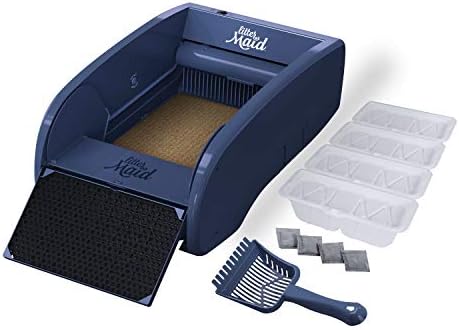
The Sifting Drum is the rotating component that separates waste from clean litter. In systems using this design, the drum spins at a specific speed to allow smaller granules to fall through while larger clumps are caught by the drum’s surface. Choosing a sifting drum over a rake system often results in a more consistent separation of fine particles, which can help keep the litter cleaner for longer periods.
For apartment dwellers, we have identified the best self cleaning litter box for small spaces.
Larger odor filter surface areas extend time between replacements
The Odor Filter is the replaceable component that captures airborne smells. These filters use activated carbon or similar media to trap volatile organic compounds before they enter the room. Because the filter’s effectiveness depends on surface area, a larger filter surface usually allows for longer intervals between replacements, which can save you money on recurring maintenance costs.
Proper sensor placement prevents mechanical jams during operation
The Safety Sensor is the infrared or ultrasonic device that prevents operation while a cat is inside. These sensors create a detection zone that tells the motor to stay off. If the sensor is placed too high or too low, it may fail to see a small cat or a large dog, leading to a mechanical jam. You should ensure the sensor’s detection range covers the entire depth of the unit.
Understanding the technical side is easier with self cleaning litter box terms and specs explained.
Rotating systems handle heavy clumps more reliably than sifting systems
The choice of Sifting vs. Rotating determines how the waste is handled. A sifting system uses a screen to let litter fall through, while a rotating system moves the entire bed of litter. For users with heavy clumping habits, a rotating system might be more reliable because it does not rely on the waste being small enough to fall through a screen.
Ensuring a proper fit requires you to understand dimensions for self cleaning litter boxes.
Clay silica and tofu litter types affect motorized system performance
Litter compatibility follows the standard of Clay vs. Silica vs. Tofu. Clay provides heavy clumping that is ideal for sifting drums but can create dust. Silica absorbs moisture and forms hard clumps that may be difficult for some motors to move. Tofu is a lightweight, biodegradable option that works well in most motorized systems but may require different motor torque depending on its moisture content.
What Having a Self-Cleaning Litter Box Changes in Practice
Owning a motorized litter box changes the frequency of maintenance from daily scooping to weekly deep cleaning. In a typical household, you will find that the “scoop” happens automatically every time the cat leaves the box, meaning the litter stays fresh for several days. However, the waste container still fills up and must be emptied manually. If you do not empty the waste container regularly, the weight of the waste can cause the motor to stall or the odor to become overwhelming despite the filter.
Decide on your setup by comparing the power source for self cleaning litter boxes.
Immediate waste clearance provides a cleaner re-entry experience for cats
The difference in use also shows up in the “re-entry” experience for the cat. Because the machine clears the waste immediately, the cat does not have to dig through old waste to find a clean spot. This is particularly useful for multi-cat households where one cat might otherwise avoid a dirty box. On the other hand, the machine does not change the fact that you must still provide a consistent supply of litter and eventually wash the internal housing to prevent bacteria buildup.
Evaluate different waste removal methods by looking at sifting vs rotating for self cleaning litter boxes.
Maintaining litter levels and level surfaces prevents mechanical jams
A common mistake is assuming the machine replaces the need for litter maintenance entirely. You still have to manage the litter level; if the litter gets too low, the sifting drum may hit the bottom of the tray, causing a loud noise or a mechanical jam. You must also ensure the unit is placed on a level surface, as a tilted box can cause the litter to migrate toward one side, making the sifting process uneven.
Get a broader perspective by viewing the types of self cleaning litter boxes explained.
Common Questions About Self-Cleaning Litter Boxes
Does it work with heavy-duty clumping litter?
Most motorized litter boxes work with heavy-duty clumping litter, provided the clumps are not so large that they block the path of the sifting drum. If the litter forms very large, dense chunks, the motor may struggle to move the mass. You should check the weight capacity of the motor to ensure it can handle the specific weight of your preferred clumping brand.
How does this compare to a standard large litter box?
A self-cleaning litter box provides a higher level of hygiene than a standard large litter box because it removes waste immediately after use. While a standard box requires you to manually find and remove waste, the motorized version automates this task. You trade the simplicity of a manual box for a system that keeps the litter area consistently clean.
For a deep dive into that specific model, see our full UPFAS CAST-500C review.
How does this compare to the fully automatic rotating models?
The main difference between these models is how the waste is separated. Some models use a sifting screen, while others use a rotating drum to move the litter. Rotating models are often better for handling large clumps of waste, while sifting models can be more effective at filtering out fine dust and small particles.
You can view the data for that model in our full PurrTek Litter Box review.
How does the open drum design compare to a fully enclosed vault for tracking?
An open drum design allows for easier access and better airflow, which can help with odor management. A fully enclosed vault provides better containment for tracking, preventing litter from being kicked out of the unit. If your cat is a “tracker” who carries litter across the house, an enclosed design is usually the better choice.
How often do I have to manually empty the waste container?
You must manually empty the waste container whenever it reaches its stated capacity, which varies depending on the number of cats and the amount of litter used. Most users find that they need to empty the container every 2 to 3 days. Failure to do so can lead to a motor stall if the container becomes too heavy for the mechanism to move.
Check out our full Neakasa M1GW review to see its specific capabilities.
Who Needs a Self-Cleaning Litter Box
A self-cleaning litter box is a practical solution for owners of multiple cats who cannot perform manual scooping several times a day. It is also suited for people who work long hours and want to ensure their cats have a clean environment throughout the day. If you have a high-traffic household where the litter box is used constantly, the automated separation helps maintain a sanitary environment.
Detailed information on that robot is available in our full 65L+9L multi-function upgrade review.
Reasons to choose a standard litter box over automated models
You do not need a self-cleaning litter box if you have a single cat and are comfortable with a daily scooping routine. These units are also less ideal for owners of very large dogs or heavy pets, as the weight limits of the motors and sensors are designed for standard-sized cats. If you prefer to use non-clumping litter, a standard box is often more cost-effective since the motorized mechanism relies on the clumping action to function.
The other motorized litter box guides we have published
- Choosing the Best Self Cleaning Litter Box for Multi Cat Homes
- The Self Cleaning Litter Boxes That Work Best for Large Cats Under $400
- Which Self Cleaning Litter Box with App Control Is Best?
- Best Self Cleaning Litter Boxes for Small Spaces
- Motion Sensing Self Cleaning Litter Boxes Compared
- Choosing the Best Self Cleaning Litter Box with Carbon Filter
Early Pricing is reader-supported: some links on this page are affiliate links, and as an Amazon Associate Early Pricing earns from qualifying purchases at no extra cost to you. Learn more.