Early Pricing is reader-supported: some links on this page are affiliate links, and as an Amazon Associate Early Pricing earns from qualifying purchases at no extra cost to you. Learn more.
Dog kennels come in three primary types defined by interior length: small to medium, large heavy duty, and extra large or villa models. You need to select a kennel based on your dog’s physical dimensions and the specific space requirements of your environment, starting with a measurement of the longest straight distance inside the floor space. Measuring the interior length ensures the dog can stand and turn comfortably without the risk of muscle cramping caused by inadequate space.
Dog Kennel Types Among the Listings We Screened
| Type | What sets it apart | Listings we screened | Price range | Median weight capacity |
|---|---|---|---|---|
| Small to Medium Kennels | interior length up to 40in | 6 | $111.99 to $256.49 | 60 lbs |
| Large Heavy Duty Kennels | interior length 40 to 48in | 6 | $139.99 to $209 | 185 lbs |
| Extra Large / Villa Kennels | interior length 48in and up | 1 | $209.99 | – |
Counted over the 111 listings this site screened; a listing that does not state the figure a type is defined by is not counted under any type.
If you are planning a trip, view our roundup of the best dog kennels for travel.
Where these choices show up in our reviews
Prices across these 3 run from $129.86 to $229.98; each one has a full review here.
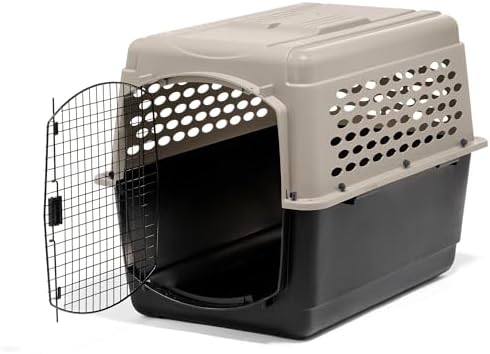
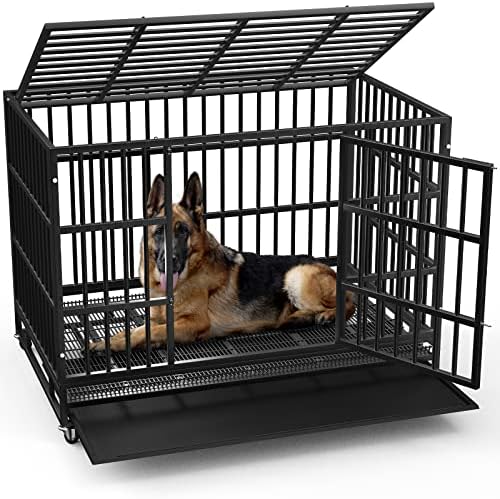

Small to Medium Dog Kennels
Small to medium dog kennels are defined by an interior length of up to 40 inches. These units serve owners of smaller breeds or those who require a compact footprint for indoor storage or transport. They provide a manageable footprint that fits into standard hallways or laundry rooms while providing a secure enclosure for a dog that does not require significant running room.
Nervous pups may benefit from our comparison of the best dog kennels for high anxiety dogs.
Portable dog kennels offer easy placement but limited interior volume
The primary advantage of this type is its portability and ease of placement in residential spaces. These kennels often use lighter materials to maintain a smaller footprint, which makes them easier to move during cleaning or reorganization. However, they offer less interior volume, which limits their use for large breeds or for dogs that require high-activity space during their stay.
New owners should start by viewing how a dog kennel works.
The price band for these models is the most accessible of the three categories. Because they use less material and occupy less space, they represent the entry point for most pet owners seeking a basic containment solution.
Large Heavy Duty Dog Kennels
Large heavy duty dog kennels are defined by an interior length between 40 and 48 inches. These are designed for medium-to-large breeds that require more floor space to move freely and turn around. They provide a balance between a large internal volume and a footprint that can still fit in a garage or a dedicated outdoor storage area.
If a crate isn’t right, explore the alternatives to a dog kennel.
Heavy duty dog kennels provide structural integrity for large breeds
These kennels prioritize structural integrity and floor space. They are often chosen when a dog has a high bite force or a larger frame that would compromise thinner materials. This type gives up some of the ease of movement found in smaller units, as the larger footprint requires more clearance for door swings and placement. They sit in a mid-range price point, reflecting the increased material costs for larger dimensions and heavier-duty construction.
Before purchasing, review how dog kennel warranties work.
Selecting a kennel that is too small for a large breed can lead to the dog feeling insecure or experiencing physical discomfort. A dog that cannot turn around comfortably may develop muscle cramping or become restless, which can lead to behavioral issues or a need to replace the unit entirely.
Extra Large or Villa Dog Kennels
Extra large or villa dog kennels are defined by an interior length of 48 inches and up. These units are intended for large breeds or for owners who want to provide a multi-functional living space for their dog. They offer the most interior volume, allowing for maximum movement and a sense of space that mimics a room rather than a crate.
To understand your budget, see what different dog kennel price levels offer.
Villa style dog kennels provide maximum floor space for long term housing
The main advantage of the villa style is the sheer amount of floor space, which reduces the feeling of confinement for the animal. These models are ideal for long-term outdoor housing or for large breeds that need significant room to stretch out. They give up ease of transport and a compact footprint, as these units are often heavy and require a dedicated area for placement. These are the most expensive models in the category due to the sheer volume of materials required to build them.
Proper sizing is vital, so see how to choose your interior width.
Comparison of Dog Kennel Types
| Dog Kennel Type | Best-Fit Buyer | Main Advantage | Main Compromise |
|---|---|---|---|
| Small to Medium | Owners of small breeds | Compact footprint | Limited interior volume |
| Large Heavy Duty | Owners of medium-large breeds | Structural durability | Larger footprint requirement |
| Extra Large / Villa | Owners of large breeds | Maximum floor space | Difficult to move or transport |
How Dog Kennels Compare to Professional Standards
The category of dog kennels is measured against benchmarks like Custom Fabrication / Professional Training Kennels and Commercial Grade Outdoor Runs. Custom Fabrication / Professional Training Kennels are known for using heavy-gauge steel and reinforced welding to withstand high-intensity environments. In comparison to the data of the products on this page, these professional units offer a level of structural reinforcement that exceeds standard residential use.
Commercial Grade Outdoor Runs represent the upper limit of durability for large-breed containment and weatherproofing. While the products on this page provide various interior lengths and weight capacities, they are designed for different levels of containment compared to the permanent, heavy-gauge structures used in commercial settings.
For a furniture-style option, see our full Boldbone Dog Crate review.
How to Tell Which Dog Kennel Type You Need?
To determine which dog kennel type fits your situation, you should first measure your dog’s length while they are standing on all four legs. If your dog’s length is under 30 inches, a small to medium kennel with an interior length of up to 40 inches will likely provide sufficient space.
You can also read our full Vari Pets Kennel spec breakdown.
If your dog is a large breed or requires more room to move, look for a kennel with an interior length between 40 and 48 inches. This ensures they have enough space to turn around and lie down comfortably without being cramped.
If you have a very large breed or want to provide a “room” style environment, you should look for a kennel with an interior length of 48 inches or more. This type provides the maximum floor space available in the category, though it requires a larger area for the kennel to sit in.
If you have a large breed, view our full Cage for Large Dogs review.
What Happens if You Choose the Wrong Kennel Size?
Choosing a kennel that is too small for your dog‘s size can lead to physical discomfort and the need for an immediate replacement. A dog that cannot turn around or lie down fully may experience muscle cramping, which can cause the dog to become restless or distressed. Conversely, a kennel that is significantly too large can prevent a dog from feeling secure, as they may feel exposed in a space that is not tailored to their size.
For a large outdoor structure, see our full Stay Series Villa spec breakdown.
When a dog is placed in a kennel that is too small, they may attempt to wedge themselves into corners, which can lead to the dog being stuck or injured. Ensuring the interior length matches the dog‘s movement requirements prevents these physical constraints and ensures the kennel remains a functional space for the animal.
Browse our other dog kennel pages
- Securing a Pet in the Backyard With a Heavy Duty Outdoor Dog Kennel
- The Dog Kennels That Work Best for Travel
- Which Dog Crate Furniture Is Best for a Living Room?
- Best Heavy Duty Dog Kennels for Large Dogs
- Calming Dog Kennels for High Anxiety Dogs Compared
- Choosing the Best Outdoor Dog Kennels with Canopy